Tag: Real Estate Mediation

  • Needs: an ingredient of any conflict

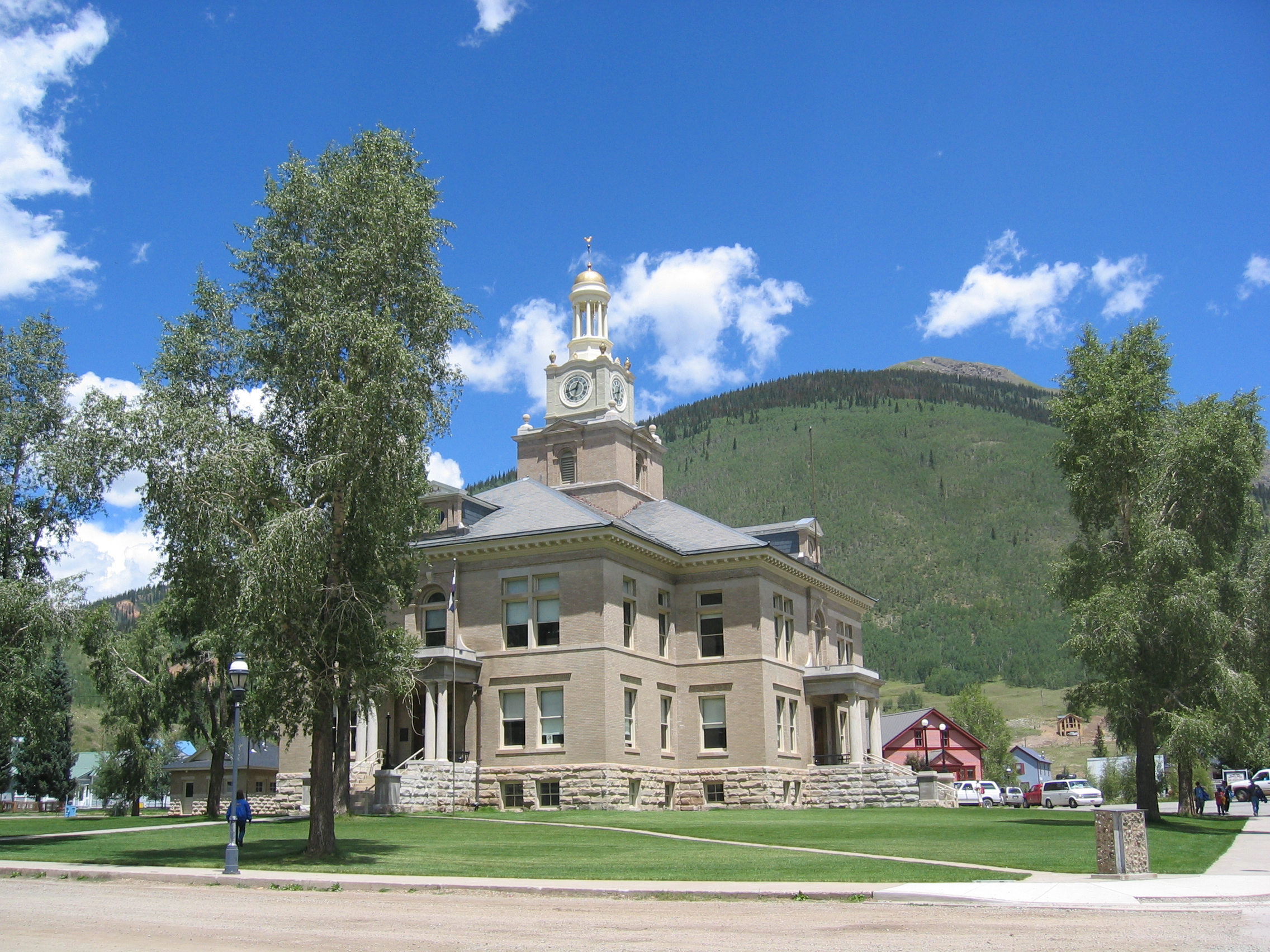
    Alcatraz Camping Trip needs
    Ingredients of any conflict – Needs

    Needs are ingredients of any conflict. All conflicts have similar ingredients. They may vary in degree but most are present in some way. The main ingredients are needs, perceptions, power, values, and feelings and emotions. Today, I am focusing on needs.

    Needs – Needs are physical requirements essential to our well-being. Conflicts arise when we ignore others’ needs, our own needs or the group’s needs. It is important to not confuse needs with desires. Desires are the things we would like to have but are not essential to our survival.

    By the time it is necessary to resolve a conflict; usually the needs are lost or hidden by the other ingredients of the conflict. Therefore it is important to spend time ascertaining those needs.

    For an experienced Mediator to help negotiate a resolution to your dispute contact Ken Strongman. Here.

    Ken StrongmanAbout the Author: Ken Strongman, is a private commercial mediator/arbitrator of complex, high risk litigated cases since 2004. Disputes addressed include business, securities, construction defects, real estate, intellectual property, employment, environment, energy, and trusts & estates. He is also a Mediator and Arbitrator for FINRA.

    © 2021 Ken Strongman. All Rights Reserved. Please do not copy or repost without permission.

    **For the last decade I’ve been involved with leadership development of tomorrow’s leaders. Using my expertise, I am training the youth leaders in conflict resolution. This blog is adapted from my training materials.

  • Critical Questions to answer in resolving conflicts.

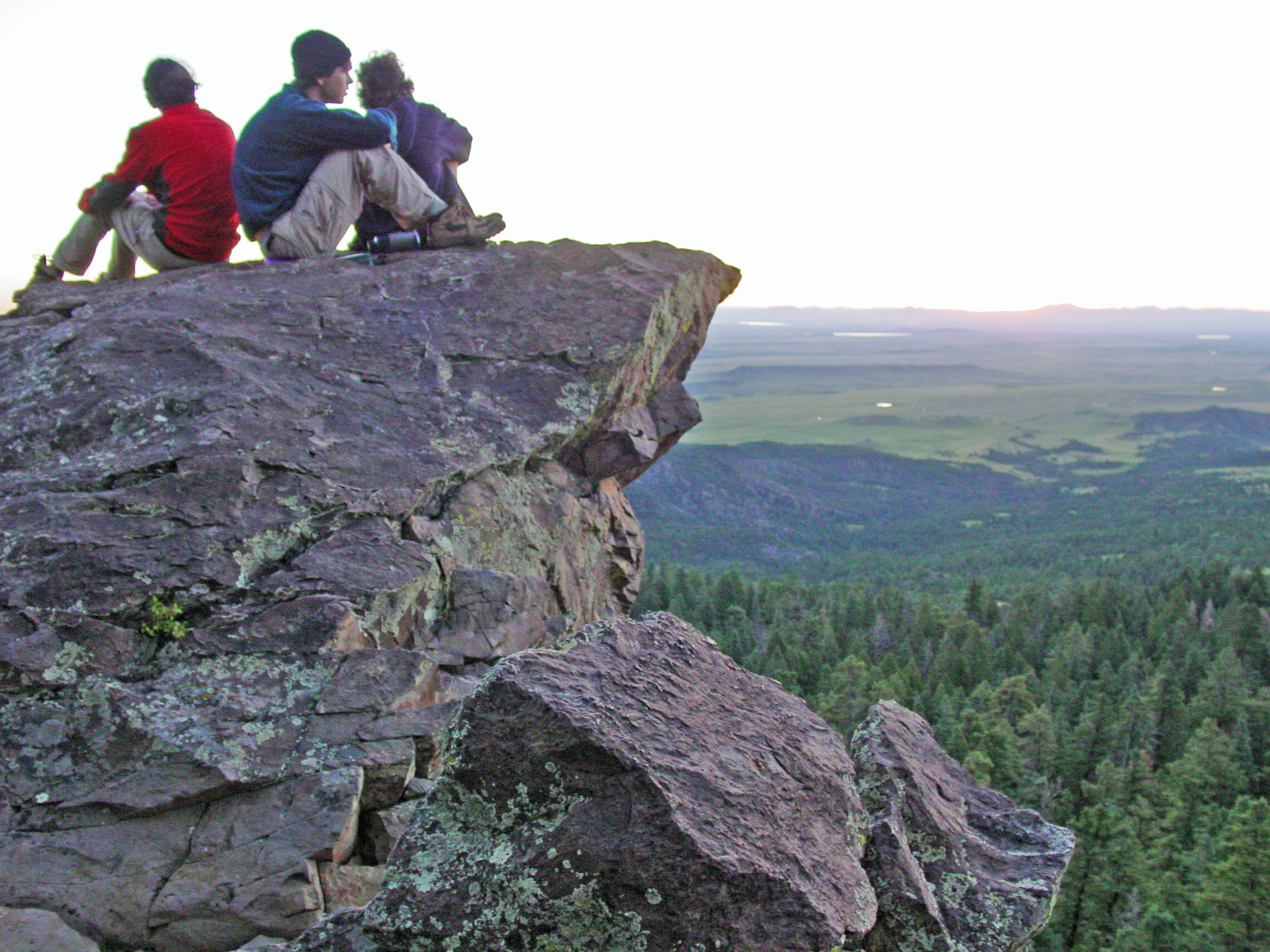
    Philmont Scout Ranch Critical Questions
    Critical Questions

    Here are the most critical questions to ask each participant in any conflict situation:

    1. “What do you want?”
    2. “What are you doing to get it?”
    3. “Is it working?”
    4. “Do you want to figure out another way?”

    The first question one focuses people’s attention on what their real needs are and helps you see more clearly other people’s points of view. The subsequent questions put responsibility on other people to be a party in examining where they are and then in finding pathways to reach where they want to be.

    The next two questions are vital.  They are questions that empower people.  Make sure you give people the time and encouragement to figure out the answers.  They need to understand themselves.  Too often we skip these questions. We ask, “What do you want?” and then jump immediately to a variation of question four, telling someone what we think they should do.

    Question four gives them a way to invite you to help them explore other approaches to a problem. It encourages a cooperative effort—working together to help everyone get what they want.

    Remember, you can’t control another person, but you can persuade. You can join forces with them in a mutual search for a solution.

    **For the last decade I’ve been involved with leadership development of tomorrow’s leaders.  Using my expertise, I am training the youth leaders in conflict resolution.  This blog is adapted from my training materials. 
     

    Ken StrongmanAbout the Author: Ken Strongman (www.kpstrongman.com) has years of experience and a growing national reputation as a mediator and arbitrator.  He has successfully resolved more than a thousand disputes in the fields of construction defects, real estate, intellectual property, and employment.  He is also a Mediator and Arbitrator for FINRA.

    © 2020 Ken Strongman. All Rights Reserved. Please do not copy or repost without permission.

  • Creative thoughts on Conflict Resolution.

    Creative Thoughts
    Creative thoughts on Conflict Resolution

    Here are Creative thoughts on conflict resolution.

    As is all leadership, conflict happens.  It needs to be resolved but if not resolved in the right way, the conflict will create other problems.

    Accept the fact that conflict is going to happen. Decide to take positive steps to manage it. When it occurs, discuss the conflict openly with the group.

    Deal with one issue at a time. There may be more than one issue involved in the conflict at one time. Someone in the group needs to provide leadership to identify the issues involved. Then only one issue at a time can be addressed so the problem is manageable.

    If there is another problem from the past blocking current communication, list it as one of the issues in this conflict. It may have to be dealt with before the current conflict can be resolved.

    Choose the right time for resolution. Individuals have to be willing to address the conflict. We are likely to resist if we feel we are being forced into negotiations.

    Avoid reacting to unintentional remarks. Words like “always” and “never” may be said in the heat of battle and do not necessarily convey what the speaker means. Anger will increase the conflict rather than bring it closer to resolution.

    Be sure to question resolutions that come too soon or too easily. People need time to think about all possible solutions and the impact of each. Quick answers may disguise the real problem. All parties need to feel some satisfaction with the resolution if they are to accept it. Conflict resolutions should not be rushed.

    Discourage name calling and threatening behavior. Don’t corner the opponent. All parties need to preserve their dignity and self-respect. Threats usually increase the conflict and payback can occur some time in the future when we least expect it.

    Remember agreeing to disagree is an option. Respect for one another and the value of relationships are two good reasons to disagree, but to choose not to allow the disagreement to interfere with the group.

    Remember handled correctly, humor can be powerful.  But proceed very carefully. 

    **For the last decade I’ve been involved with leadership development of tomorrow’s leaders.  Using my expertise, I am training the youth leaders in conflict resolution.  This blog is adapted from my training materials. 
     

    Ken StrongmanAbout the Author: Ken Strongman (www.kpstrongman.com) has years of experience and a growing national reputation as a mediator and arbitrator.  He has successfully resolved more than a thousand disputes in the fields of construction defects, real estate, intellectual property, and employment.  He is also a Mediator and Arbitrator for FINRA.

    © 2020 Ken Strongman. All Rights Reserved. Please do not copy or repost without permission.

  • What is Conflict Resolution Leadership?

    resolution leadership
    Conflict resolution leadership

    Conflict Resolution Leadership

    In any leadership training, the new leader must be trained to resolve conflicts. They must do all of the following.

    Acknowledge that a difficult situation exists. Honesty and clear communication play an important role in the resolution process. Acquaint yourself with what’s happening and be open about the problem.

    Let individuals express their feelings. Some feelings of anger and/or hurt usually accompany conflict situations. Before any kind of problem-solving can take place, these emotions should be expressed and acknowledged.

    Define the problem. What is the stated problem? What is the negative impact on the work or relationships? Are differing personality styles parts of the problem?  Meet with team members separately at first and question them about the situation.

    Determine underlying need. The goal of conflict resolution is not to decide which person is right or wrong; the goal is to reach a solution that everyone can live with.  Looking first for needs, rather than solutions, is a powerful tool for generating good options. To discover needs, you must try to find out why people want the solutions they initially proposed. Once you understand the advantages their solutions have for them, you have discovered their needs.

    Find common areas of agreement, no matter how small:

    ·     Agree on the problem

    ·     Agree on the procedure to follow

    ·     Agree on worst fears

    ·     Agree on some small change to give an experience of success

    Find solutions to satisfy needs.   

    ·     Problem-solve by generating multiple alternatives

    ·     Determine which actions will be taken

    ·     Make sure involved parties buy into actions. (Total silence may be a sign of passive resistance.) Be sure you get real agreement from everyone.

    Determine follow-up you will take to monitor actions.

    How will you determine if the agreement is being followed?  What are the benchmarks?  

    Determine what you’ll do if the conflict goes unresolved. If the conflict is causing a disruption and it remains unresolved, you may need to explore other avenues.  Let the participants know that’s an option.

    **For the last decade I’ve been involved with leadership development of tomorrow’s leaders.  Using my expertise, I am training the youth leaders in conflict resolution.  This blog is adapted from my training materials. 

     

    Ken StrongmanAbout the Author: Ken Strongman (www.kpstrongman.com) has years of experience and a growing national reputation as a mediator and arbitrator.  He has successfully resolved more than a thousand disputes in the fields of construction defects, real estate, intellectual property, and employment.  He is also a Mediator and Arbitrator for FINRA.

    © 2020 Ken Strongman. All Rights Reserved. Please do not copy or repost without permission.

  • FAQ: When Does Mediation Really Start?

    FAQ_Mediation Golden Gate - start
    When does mediation start?

    When does mediation start?

    People tend to believe that mediation begins when all concerned parties meet in the mediation room and take their places at the mediation table.  Mediation begins when disputing parties agree to participate in a private mediation or when a Judge suggests that they attempt mediation.

    Pre-mediation

    This pre-mediation phase is frequently overlooked and underestimated for the potential power it has over the outcome of a mediation session.

    Preparation is the Key

    Would any one perform in a play without holding a rehearsal?  The answer obviously is “No.”  Yet, people often go into mediation with very little or no preparation for what could be one of the most important days of their lives.  This is even more significant when you consider that decisions made during mediation can have critical, life-changing effects for not only the disputants, but for their companies as well.  Therefore parties should not overlook this phase and begin detailed preparations for the mediation.

    Ken_Strongman_003smAbout the Author: Ken Strongman (www.kpstrongman.com) has years of experience and a growing national reputation as a mediator and arbitrator.  He has successfully resolved more than a thousand disputes in the fields of construction defects, real estate, intellectual property, and employment.  He is also a Mediator and Arbitrator for FINRA.

    © 2020 Ken Strongman. All Rights Reserved. Please do not copy or repost without permission.

  • FAQ: What are some the qualifications of a good mediator? Part I

    Angel Island SP qualifications
    qualifications of a good mediator

    I have often been asked what the qualifications of a good mediator are. My answer is self serving but true. I have worked hard to make sure that I am the best qualified to mediate a case. Remember it is not bragging if true. So as to not bore you with all of the qualifications of a good mediator and how I fulfill those qualifications, I will space them out over time.

    Good Mediators are attorneys. I have been a full time practicing California attorney since 2001. I am authorized to appear before the California Supreme Court, Northern District of California and the Ninth Circuit Court of Appeals. Therefore I am able to approach a problem looking at the legal issues besides working the parties and their attorneys to resolve those issues.

    Good Mediators realize that mediation is much more complex than litigation. In litigation you can just follow the law and ignore personalities and their problems. Many times, there is only one dispute initially presented in mediation, but once mediation there are many legal and non-legal issues that need to be resolved before a global solution can be reached.

    Good Mediators have acquired excellent mediation skills. I have hundreds of hours of direct mediation training. I have taught 40-hour and 25-hour mediation classes. Members of the classes have included bench officers (Judges). I have mentored other mediators. I have made many California MCLE presentations on mediation. MCLE is continuing education for attorneys. I have conducted over a thousand mediations with a very high success rate. These have included appellant mediations as well. These are cases where one party has already ‘won’ and they were sent out to mediation by the Court of Appeal.

    Ken_Strongman_003smAbout the Author: Ken Strongman (www.kpstrongman.com) has years of experience and a growing national reputation as a mediator and arbitrator.  He has successfully resolved more than a thousand disputes in the fields of construction defects, real estate, intellectual property, and employment.  He is also a Mediator and Arbitrator for FINRA.

    © 2020 Ken Strongman. All Rights Reserved. Please do not copy or repost without permission.

  • Communication skills are important in resolving conflicts

    Communication
    Communication Skills help resolve conflicts


    “Nothing in life is more important than the ability to communicate effectively.”

    — Gerald R. Ford, 38th President of the United States


    Good communication is the most important tool for resolving conflicts.  Listening is the key to good communication.  Use your ears more than your mouth.  Encourage others to talk but offer no judgments.   Make sure you hear the message.  Ask clarifying questions and reframe their statements.  Put their message in your own words.

    **For the last decade I’ve been involved with leadership development of tomorrow’s leaders.  Using my expertise, I am training the youth leaders in conflict resolution.  This blog is adapted from my training materials. 

     

    Ken StrongmanAbout the Author: Ken Strongman (www.kpstrongman.com) has years of experience and a growing national reputation as a mediator and arbitrator.  He has successfully resolved more than a thousand disputes in the fields of construction defects, real estate, intellectual property, and employment.  He is also a Mediator and Arbitrator for FINRA.

    © 2020 Ken Strongman. All Rights Reserved. Please do not copy or repost without permission.

  • FAQ: What is the format of a mediation?

    Angel Island SP - format of mediation
    The format of the mediation is flexible

    What is the format of a mediation?

    What is the format of a mediation? The process is entirely flexible and will depend on the mediator and the parties’ preferences. In general terms, it is preferable that position papers are exchanged in advance. Depending on what stage in the dispute the mediation takes place, it may be appropriate for the parties to agree to exchange relevant documents in advance. If possible, the parties and their legal representatives should meet the mediator themselves prior to the scheduled date of the mediation in order to assist the mediator identify the disputed key issues in advance.

    On the day of the mediation usually there is a joint session at the beginning when the mediator brings the parties together in order to emphasize the ground rules and if agreed, to have opening presentations by each party. Often this can provide an opportunity for either party to articulate their own perspective of a dispute in their own terms and equally importantly, to hear the other party articulate their perspective. This presentation can be made by the party themselves and/or by their legal representative.

    Thereafter, a mediator will usually meet privately with the parties in order to explore issues and possible areas of agreement and engage in a form of shuttle diplomacy. The mediator may propose further joint sessions or meetings between principals either with or without legal representatives. Ultimately, the objective is that the form of a resolution will come from the parties themselves to be formalized in a settlement agreement.

    If it is not possible to resolve the issue at mediation, the mediator will typically offer their services to the parties for a period thereafter to facilitate any further discussions. This can be particularly useful if the parties have reached agreement on all but a few outstanding issues.

    Ken_Strongman_003smAbout the Author: Ken Strongman (www.kpstrongman.com) has years of experience and a growing national reputation as a mediator and arbitrator.  He has successfully resolved more than a thousand disputes in the fields of construction defects, real estate, intellectual property, and employment.  He is also a Mediator and Arbitrator for FINRA.

    © 2020 Ken Strongman. All Rights Reserved. Please do not copy or repost without permission.

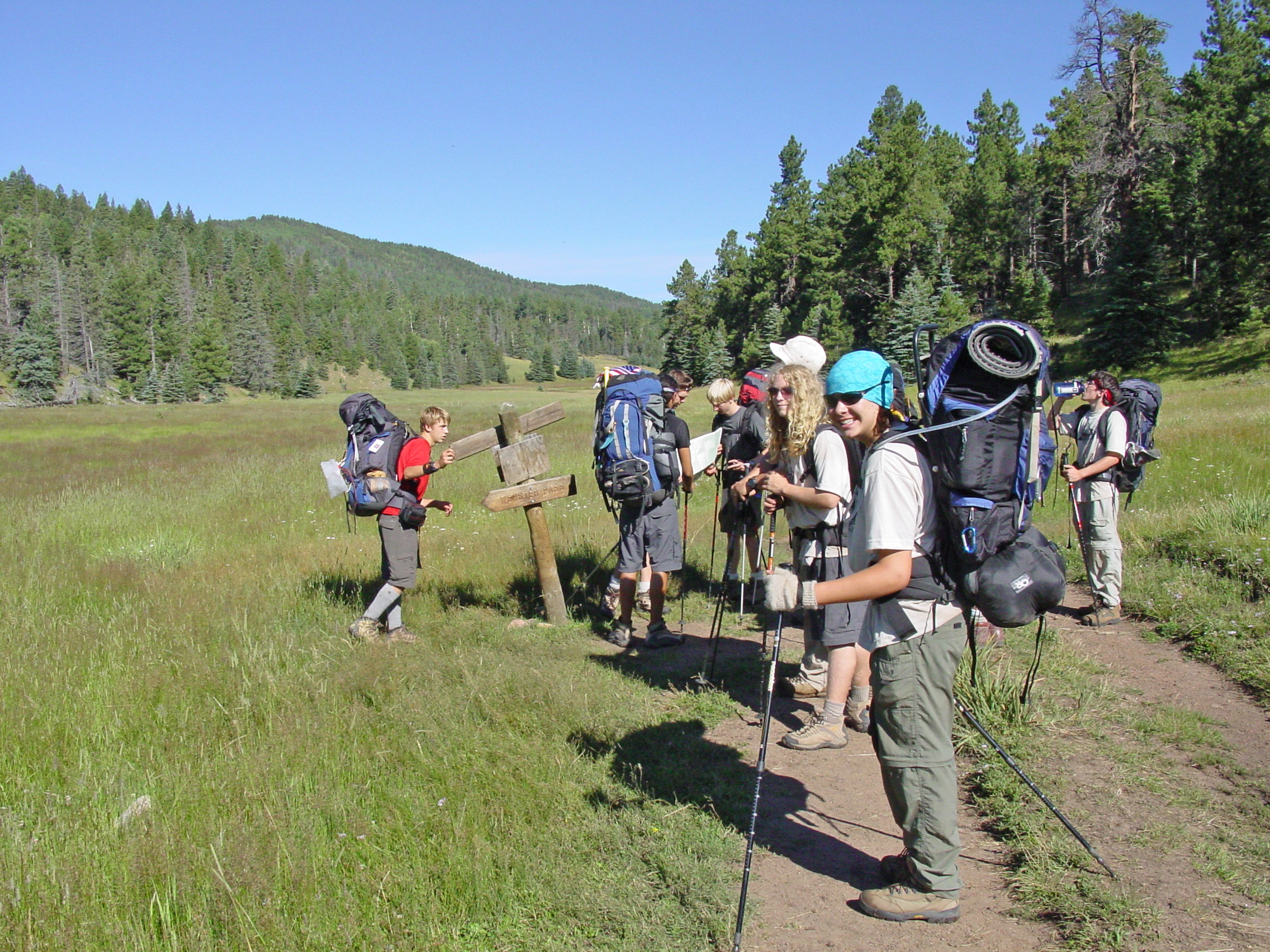
  • A handy tool for resolving conflicts.

    conflict tool
    Tool for resolving conflicts

    A very handy tool for approaching any conflict situation that needs to be resolved is E.A.R. 

    Ask the people involved to:

    Express – What you want and what are you doing to get it.

    Address – Why it is working or not working.

    Resolve – What ways there are to solve the situation.

    **For the last decade I’ve been involved with leadership development of tomorrow’s leaders.  Using my expertise, I am training the youth leaders in conflict resolution.  This blog is adapted from my training materials. 
     

    Ken StrongmanAbout the Author: Ken Strongman (www.kpstrongman.com) has years of experience and a growing national reputation as a mediator and arbitrator.  He has successfully resolved more than a thousand disputes in the fields of construction defects, real estate, intellectual property, and employment.  He is also a Mediator and Arbitrator for FINRA.

    © 2020 Ken Strongman. All Rights Reserved. Please do not copy or repost without permission.

  • FAQ: Can you settle a case after a jury has decided a case?

    Silverton, post jury settlements
    Post Jury settlements

    Can you settle a case after a jury has decided a case? As part of my full spectrum of dispute resolution services, I offer Appellate Mediation. My considerable experience in this area started in 2007.  I currently serve on the mediation panels for the First and Third Districts of the California Court of Appeal.  In addition to these panels, I now provide appellate mediation privately as well.

    What is Appellate Mediation and When Does it Occur?

    Appellate mediation focuses on cases that are on appeal or that are ready to go to appeal. Mediating a case that has gone all the way to appeal is not easy. The fact that a case has gone that far indicates that it was not one that was very amenable to settlement or mediation in the first place. Furthermore, an imbalance in power comes into play when the prevailing party in the trial court has the trial court’s decision on its side. By the time the case reaches appeal, there may be hard feelings coming from the trial, and the prospects of reaching a mediated resolution may seem daunting, but they are not impossible. Despite these difficulties I enjoy a success rate is high.
    Sometimes the parties have tried mediation at the lower court level.  In one of my cases, the parties had gone to mediation twice, attended four mandatory settlement conferences with the judge, and completed a trial by jury. Both parties appealed the decision under different grounds. The case resolved in appellate mediation.
    It is best that the mediation occur shortly after the appeal is lodged in order to save time, money, and effort.

    Benefits of Appellate Mediation after court or jury decision

    By using me as your Appellant Mediator you can speed case resolution and reduce litigation costs. Furthermore, you avoid the prospect of presenting your appeal to a sitting appellate judge as part of a settlement conference. I am able to provide the best possible assistance in resolving complex disputes without further litigation. I have the critical skills for handling the most intractable and contentious conflicts, regardless of subject matter.

    Why Is Appellate Mediation Effective?

    Joey Naylor: “Dad, why is the American government the best government?”
    Nick Naylor: “Because of our endless appeals process.”
    ~Thank You For Smoking, 2005. [Emphasis added]
    “It ain’t over ’til it’s over.”
    ~Yogi Berra, 1973
    These quotes sum up the need for Appellate Mediation. Even though a party may have a judgment from a court that does not mean that litigation is over. If a party appeals, then the litigation continues. It is costly in time, money, and opportunity costs to all parties.
    Appellate Courts generally can make several types of rulings. But none these rulings occur until after all parties spend considerable time and money preparing for the appeal. The court can affirm the judgment in which case the losing party can appeal to a higher court continuing the appeal process. The court can send the matter back down to a lower court with instructions. Then you are back litigating in the lower court. The court can order a new trial. In this case you get to start from the beginning and litigate the issues all over again.
    There are also lost opportunity costs. For example in a business dispute, you may eventually win, but by then the industry has evolved making the dispute meaningless. This is especially true in emerging industries such as high tech.

    Ken_Strongman_003smAbout the Author: Ken Strongman (www.kpstrongman.com) has years of experience and a growing national reputation as a mediator and arbitrator.  He has successfully resolved more than a thousand disputes in the fields of construction defects, real estate, intellectual property, and employment.  He is also a Mediator and Arbitrator for FINRA.

    © 2020 Ken Strongman. All Rights Reserved. Please do not copy or repost without permission.