Tag: nylt

  • Critical Questions to answer in resolving conflicts.

    Philmont Scout Ranch Critical Questions
    Critical Questions

    Here are the most critical questions to ask each participant in any conflict situation:

    1. “What do you want?”
    2. “What are you doing to get it?”
    3. “Is it working?”
    4. “Do you want to figure out another way?”

    The first question one focuses people’s attention on what their real needs are and helps you see more clearly other people’s points of view. The subsequent questions put responsibility on other people to be a party in examining where they are and then in finding pathways to reach where they want to be.

    The next two questions are vital.  They are questions that empower people.  Make sure you give people the time and encouragement to figure out the answers.  They need to understand themselves.  Too often we skip these questions. We ask, “What do you want?” and then jump immediately to a variation of question four, telling someone what we think they should do.

    Question four gives them a way to invite you to help them explore other approaches to a problem. It encourages a cooperative effort—working together to help everyone get what they want.

    Remember, you can’t control another person, but you can persuade. You can join forces with them in a mutual search for a solution.

    **For the last decade I’ve been involved with leadership development of tomorrow’s leaders.  Using my expertise, I am training the youth leaders in conflict resolution.  This blog is adapted from my training materials. 

     

    Ken StrongmanAbout the Author: Ken Strongman (www.kpstrongman.com) has years of experience and a growing national reputation as a mediator and arbitrator.  He has successfully resolved more than a thousand disputes in the fields of construction defects, real estate, intellectual property, and employment.  He is also a Mediator and Arbitrator for FINRA.

    © 2020 Ken Strongman. All Rights Reserved. Please do not copy or repost without permission.

  • Creative thoughts on Conflict Resolution.

    Creative Thoughts
    Creative thoughts on Conflict Resolution

    Here are Creative thoughts on conflict resolution.

    As is all leadership, conflict happens.  It needs to be resolved but if not resolved in the right way, the conflict will create other problems.

    Accept the fact that conflict is going to happen. Decide to take positive steps to manage it. When it occurs, discuss the conflict openly with the group.

    Deal with one issue at a time. There may be more than one issue involved in the conflict at one time. Someone in the group needs to provide leadership to identify the issues involved. Then only one issue at a time can be addressed so the problem is manageable.

    If there is another problem from the past blocking current communication, list it as one of the issues in this conflict. It may have to be dealt with before the current conflict can be resolved.

    Choose the right time for resolution. Individuals have to be willing to address the conflict. We are likely to resist if we feel we are being forced into negotiations.

    Avoid reacting to unintentional remarks. Words like “always” and “never” may be said in the heat of battle and do not necessarily convey what the speaker means. Anger will increase the conflict rather than bring it closer to resolution.

    Be sure to question resolutions that come too soon or too easily. People need time to think about all possible solutions and the impact of each. Quick answers may disguise the real problem. All parties need to feel some satisfaction with the resolution if they are to accept it. Conflict resolutions should not be rushed.

    Discourage name calling and threatening behavior. Don’t corner the opponent. All parties need to preserve their dignity and self-respect. Threats usually increase the conflict and payback can occur some time in the future when we least expect it.

    Remember agreeing to disagree is an option. Respect for one another and the value of relationships are two good reasons to disagree, but to choose not to allow the disagreement to interfere with the group.

    Remember handled correctly, humor can be powerful.  But proceed very carefully. 

    **For the last decade I’ve been involved with leadership development of tomorrow’s leaders.  Using my expertise, I am training the youth leaders in conflict resolution.  This blog is adapted from my training materials. 


    Ken StrongmanAbout the Author: Ken Strongman (www.kpstrongman.com) has years of experience and a growing national reputation as a mediator and arbitrator.  He has successfully resolved more than a thousand disputes in the fields of construction defects, real estate, intellectual property, and employment.  He is also a Mediator and Arbitrator for FINRA.

    © 2020 Ken Strongman. All Rights Reserved. Please do not copy or repost without permission.
  • What is Conflict Resolution Leadership?

    resolution leadership
    Conflict resolution leadership

    Conflict Resolution Leadership

    In any leadership training, the new leader must be trained to resolve conflicts. They must do all of the following.

    Acknowledge that a difficult situation exists. Honesty and clear communication play an important role in the resolution process. Acquaint yourself with what’s happening and be open about the problem.

    Let individuals express their feelings. Some feelings of anger and/or hurt usually accompany conflict situations. Before any kind of problem-solving can take place, these emotions should be expressed and acknowledged.

    Define the problem. What is the stated problem? What is the negative impact on the work or relationships? Are differing personality styles parts of the problem?  Meet with team members separately at first and question them about the situation.

    Determine underlying need. The goal of conflict resolution is not to decide which person is right or wrong; the goal is to reach a solution that everyone can live with.  Looking first for needs, rather than solutions, is a powerful tool for generating good options. To discover needs, you must try to find out why people want the solutions they initially proposed. Once you understand the advantages their solutions have for them, you have discovered their needs.

    Find common areas of agreement, no matter how small:

    ·     Agree on the problem

    ·     Agree on the procedure to follow

    ·     Agree on worst fears

    ·     Agree on some small change to give an experience of success

    Find solutions to satisfy needs.   

    ·     Problem-solve by generating multiple alternatives

    ·     Determine which actions will be taken

    ·     Make sure involved parties buy into actions. (Total silence may be a sign of passive resistance.) Be sure you get real agreement from everyone.

    Determine follow-up you will take to monitor actions.

    How will you determine if the agreement is being followed?  What are the benchmarks?  

    Determine what you’ll do if the conflict goes unresolved. If the conflict is causing a disruption and it remains unresolved, you may need to explore other avenues.  Let the participants know that’s an option.

    **For the last decade I’ve been involved with leadership development of tomorrow’s leaders.  Using my expertise, I am training the youth leaders in conflict resolution.  This blog is adapted from my training materials. 


    Ken StrongmanAbout the Author: Ken Strongman (www.kpstrongman.com) has years of experience and a growing national reputation as a mediator and arbitrator.  He has successfully resolved more than a thousand disputes in the fields of construction defects, real estate, intellectual property, and employment.  He is also a Mediator and Arbitrator for FINRA.

    © 2020 Ken Strongman. All Rights Reserved. Please do not copy or repost without permission.
  • Communication skills are important in resolving conflicts

    Communication
    Communication Skills help resolve conflicts


    “Nothing in life is more important than the ability to communicate effectively.”

    — Gerald R. Ford, 38th President of the United States


    Good communication is the most important tool for resolving conflicts.  Listening is the key to good communication.  Use your ears more than your mouth.  Encourage others to talk but offer no judgments.   Make sure you hear the message.  Ask clarifying questions and reframe their statements.  Put their message in your own words.

    **For the last decade I’ve been involved with leadership development of tomorrow’s leaders.  Using my expertise, I am training the youth leaders in conflict resolution.  This blog is adapted from my training materials. 


    Ken StrongmanAbout the Author: Ken Strongman (www.kpstrongman.com) has years of experience and a growing national reputation as a mediator and arbitrator.  He has successfully resolved more than a thousand disputes in the fields of construction defects, real estate, intellectual property, and employment.  He is also a Mediator and Arbitrator for FINRA.

    © 2020 Ken Strongman. All Rights Reserved. Please do not copy or repost without permission.

  • A handy tool for resolving conflicts.

    conflict tool
    Tool for resolving conflicts

    A very handy tool for approaching any conflict situation that needs to be resolved is E.A.R. 

    Ask the people involved to:

    Express – What you want and what are you doing to get it.

    Address – Why it is working or not working.

    Resolve – What ways there are to solve the situation.

    **For the last decade I’ve been involved with leadership development of tomorrow’s leaders.  Using my expertise, I am training the youth leaders in conflict resolution.  This blog is adapted from my training materials. 


    Ken StrongmanAbout the Author: Ken Strongman (www.kpstrongman.com) has years of experience and a growing national reputation as a mediator and arbitrator.  He has successfully resolved more than a thousand disputes in the fields of construction defects, real estate, intellectual property, and employment.  He is also a Mediator and Arbitrator for FINRA.

    © 2020 Ken Strongman. All Rights Reserved. Please do not copy or repost without permission.
  • If you can’t get people to do anything, how to you resolve conflicts.

    In my leadership training on conflict resolution, I have the participates conduct a closed fist exercise.  The participants pair off.  One forms a fist and the other has three minutes to convince them to open their fists.

    In the debriefing time we discuss how they managed to convince the other to open their fists.   The usual results:

    ·     Bribery—”I’ll give you five dollars if you open your fist.”

    ·     Concern—”It doesn’t matter to me if you open your fist, but unless you do you won’t be able to pick anything up.”

    ·     Persuasion—”I like your hands better open than closed.”

    ·     Interest—”I’m curious to see what’s inside your fist.”

    ·     Straightforwardness—”Hey, open your fist!”

    The point of this exercise is to remind all of us that we can’t make people do anything they don’t want to do. If you ask anyone to do something and they refuse, you can’t force them to do it.

    Naturally, if they are an employee, you can fire them, but you can’t force them to do it.  The bottom line is you can’t coerce someone to do something.  Ultimately, you can only empower yourself. Then, within boundaries, you can encourage others to act in certain ways.

    **For the last decade I’ve been involved with leadership development of tomorrow’s leaders.  Using my expertise, I am training the youth leaders in conflict resolution.  This blog is adapted from my training materials. 


    Ken StrongmanAbout the Author: Ken Strongman (www.kpstrongman.com) has years of experience and a growing national reputation as a mediator and arbitrator.  He has successfully resolved more than a thousand disputes in the fields of construction defects, real estate, intellectual property, and employment.  He is also a Mediator and Arbitrator for FINRA.

    © 2020 Ken Strongman. All Rights Reserved. Please do not copy or repost without permission.
  • Listening is the best way to resolve conflicts.

    listening
    Listening to resolve conflicts

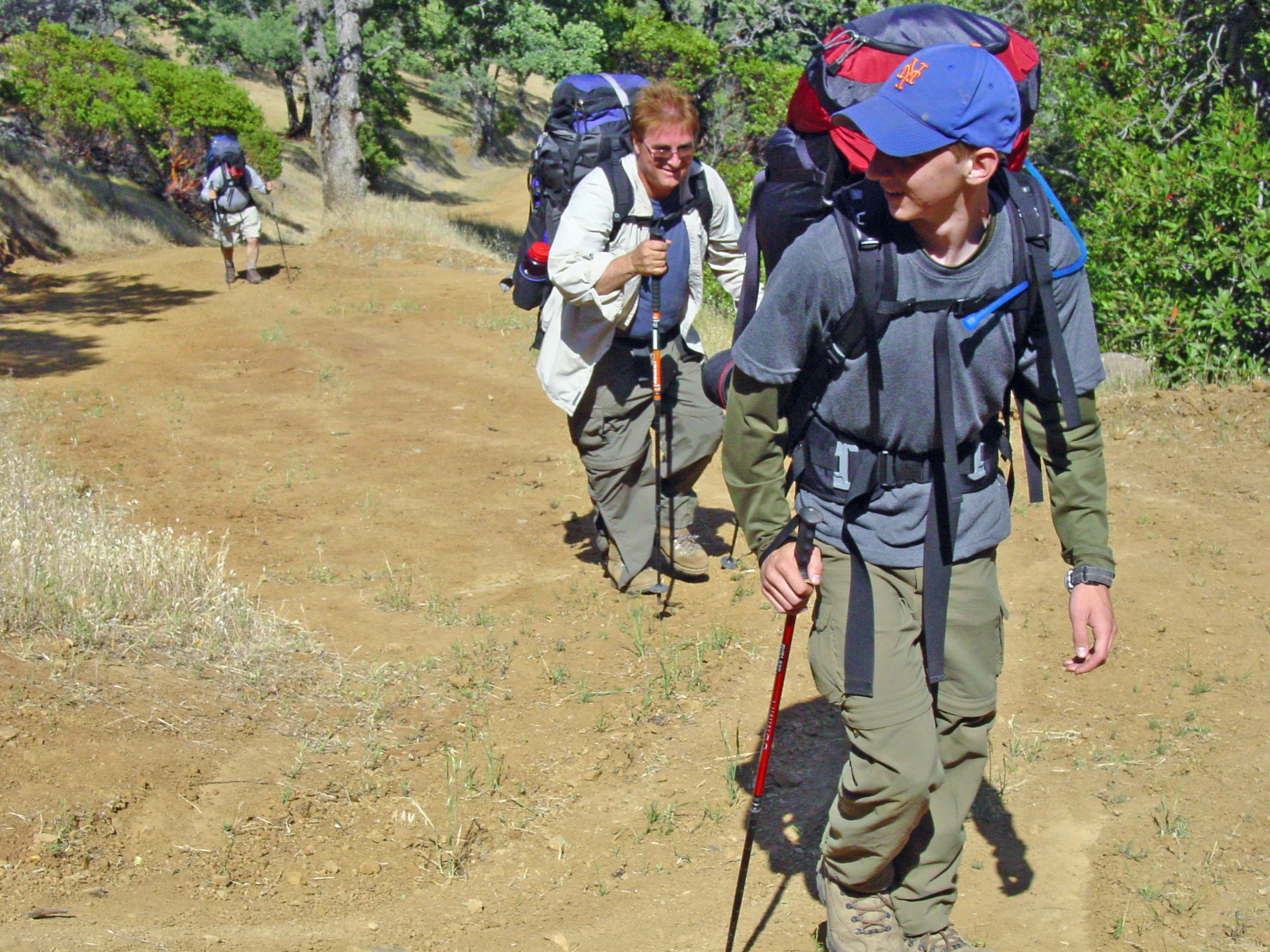
    The better the information you have, the greater your chances of finding a workable solution.  Listen carefully to what others are saying, not judging until you hear everyone’s story.  Be aware of tone of voice, body language, and other clues.  Understand what each person is expressing – what he wants and what he is willing to do to get there.  Then clarify that the solution lies with all parties. 

    Listen carefully to what others are saying without judgment until you have everyone’s side of the story.  Clarify what you have heard and then reframe it back to each party.  Remember the solution lays with both parties not you.

    **For the last decade I’ve been involved with leadership development of tomorrow’s leaders.  Using my expertise, I am training the youth leaders in conflict resolution.  This blog is adapted from my training materials. 


    Ken StrongmanAbout the Author: Ken Strongman (www.kpstrongman.com) has years of experience and a growing national reputation as a mediator and arbitrator.  He has successfully resolved more than a thousand disputes in the fields of construction defects, real estate, intellectual property, and employment.  He is also a Mediator and Arbitrator for FINRA.

    © 2020 Ken Strongman. All Rights Reserved. Please do not copy or repost without permission.

  • Negotiation Tips for resolving conflicts.

    Negotiation
    Negotiation

    Negotiation is an Important Skill

    Negotiation is an important skill in mediation or any conflict resolution. It is needed for the parties to come to an agreement and thereby resolve a conflict.  It doesn’t matter if the conflict developed at home or at work, or in any leadership situation.  

    Separate People from the Problem

    When negotiating, the first step is to separate people from the problem.  When negotiating, remember you’re dealing with people who have their own unique needs, emotions and perceptions.  Some conflicts are based on differences in thinking and perceptions. These conflicts may exist mainly in peoples’ minds. It helps for each party to put themselves into the other’s shoes so they can understand each others point of view.

    Differences in Perceptions

    Identify and openly discuss differences in perceptions, being careful not to place blame. In addition, recognize and understand the other side’s emotions as well as your own.

    Positions

    People often confuse interests with positions. An interest may be reducing litter in roadside ditches. There are many possible ways of addressing this interest. One might be the position of mandatory recycling. Another position might be a deposit on bottles and cans. Still another could be organizing a clean-up day.

    Focus on interests, not positions. Focusing on interests, rather than positions, makes it possible to come up with better agreements. Even when people stand on opposite positions, they usually have a few shared interests.

    It takes time and effort to identify interests. Groups may not even be clear about their own interests. It helps to write down each group’s interests as they are discovered. It helps to ask why others take the positions or make the decisions they do. Partners will have multiple interests. Interests involving important human needs (such as security, economic well-being, a sense of belonging, recognition and control over one’s life) are difficult to negotiate.

    Develop optional solutions.  When you are developing optional solutions that meet the interests of all sides, try to meet as many of each side’s interests as possible. Start by inviting all sides to brainstorm ideas before reaching a decision.

    **For the last decade I’ve been involved with leadership development of tomorrow’s leaders.  Using my expertise, I am training the youth leaders in conflict resolution.  This blog is adapted from my training materials. 


    Ken StrongmanAbout the Author: Ken Strongman (www.kpstrongman.com) has years of experience and a growing national reputation as a mediator and arbitrator.  He has successfully resolved more than a thousand disputes in the fields of construction defects, real estate, intellectual property, and employment.  He is also a Mediator and Arbitrator for FINRA.

    © 2020 Ken Strongman. All Rights Reserved. Please do not copy or repost without permission.
  • Being aware of others is important to conflict resolution

    Be aware if others
    Be aware if others

    Being Aware of Others is an Important Step to Resolve Conflicts

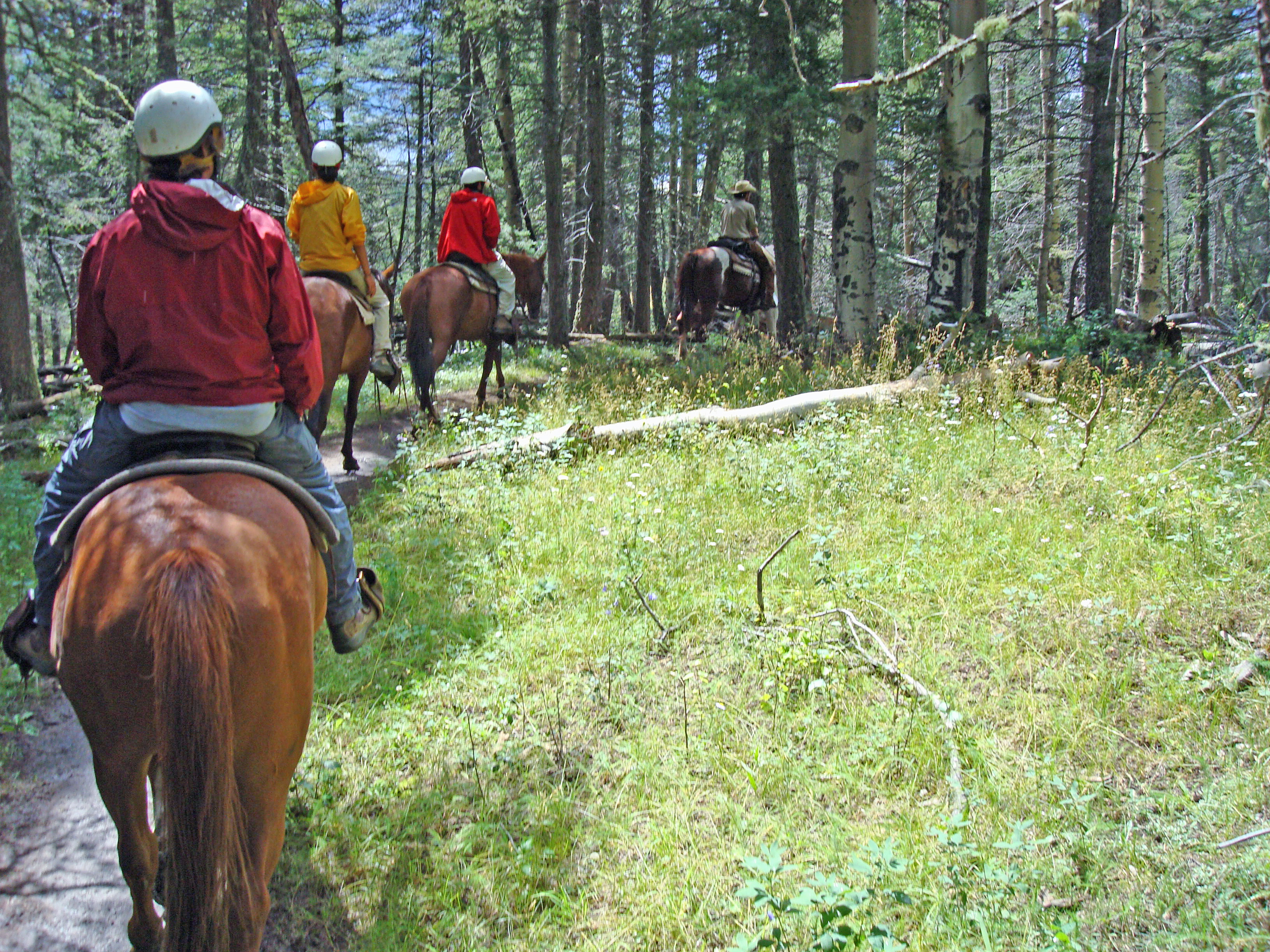
    Being aware of others is an important step to conflict resolution.  Being aware of others helps you adjust the situation for a good outcome.  It is important to be aware of their physical comfort and any other factors that might be affecting their emotions. 

    Consider taking a break if necessary

    Consider taking a break if necessary. Now may not be the time to resolve the conflict. It does not have to be resolved instantaneously.  A break of a couple of hours, days or in some cases weeks will create a better outcome.

    Consider the location

    Consider the location.  It is often better to change to a more neutral location, or a least a location where both parties are equally uncomfortable.  Meet away from the rest of the group if possible.  I have found that the bigger the entourage the less likely a resolution can be found.  Each party must save some face, and if the entourage is egging them on, they will not be able to save any face.   We all remember our grade school yards when some one yelled ‘fight’ and the crowd quickly gathers around the combatants.  Without the crowd, they might have agreed to disagree or at least one could have run away. But with the crowd, neither can stop the conflict from proceeding.

    Be aware of their physical comfort

    Be aware of their physical comfort.  They may be tired.  They may be hungry.  They may be in physical pain.  If any of these or similar condition occur, it will be difficult to resolved the conflict.  

    **For the last decade I’ve been involved with leadership development of tomorrow’s leaders.  Using my expertise, I am training the youth leaders in conflict resolution.  This blog is adapted from my training materials. 


    Ken StrongmanAbout the Author: Ken Strongman (www.kpstrongman.com) has years of experience and a growing national reputation as a mediator and arbitrator.  He has successfully resolved more than a thousand disputes in the fields of construction defects, real estate, intellectual property, and employment.  He is also a Mediator and Arbitrator for FINRA.

    © 2020 Ken Strongman. All Rights Reserved. Please do not copy or repost without permission.

  • When are people most likely to do what you ask?

    NYLT_Ken Strongman 10When are people most likely to do what you ask?  (Especially if it is something they are not excited about!)

    ·     When they trust you

    ·     Experience shows you are a reliable leader and ally

    ·     They understand you make decisions for the good of the group

    ·     They know you care about them

    How many of you have heard the first law of Real Estate: “Location, Location, Location”

    Well the first law of team building is: Relationships, Relationships, Relationships.  Relationships come from involvement with people.  Listening is the most important skill in building those relationships and resolving any conflict, whether the conflict involves you as a participant or as a moderator. Unless you make a conscious effort to listen, you will miss vital facts and beliefs that could lead to a satisfactory resolution.

    **For the last decade I’ve been involved with leadership development of tomorrow’s leaders.  Using my expertise, I am training the youth leaders in conflict resolution.  This blog is adapted from my training materials. 


    Ken StrongmanAbout the Author: Ken Strongman (www.kpstrongman.com) has years of experience and a growing national reputation as a mediator and arbitrator.  He has successfully resolved more than a thousand disputes in the fields of construction defects, real estate, intellectual property, and employment.  He is also a Mediator and Arbitrator for FINRA.

    © 2020 Ken Strongman. All Rights Reserved. Please do not copy or repost without permission.