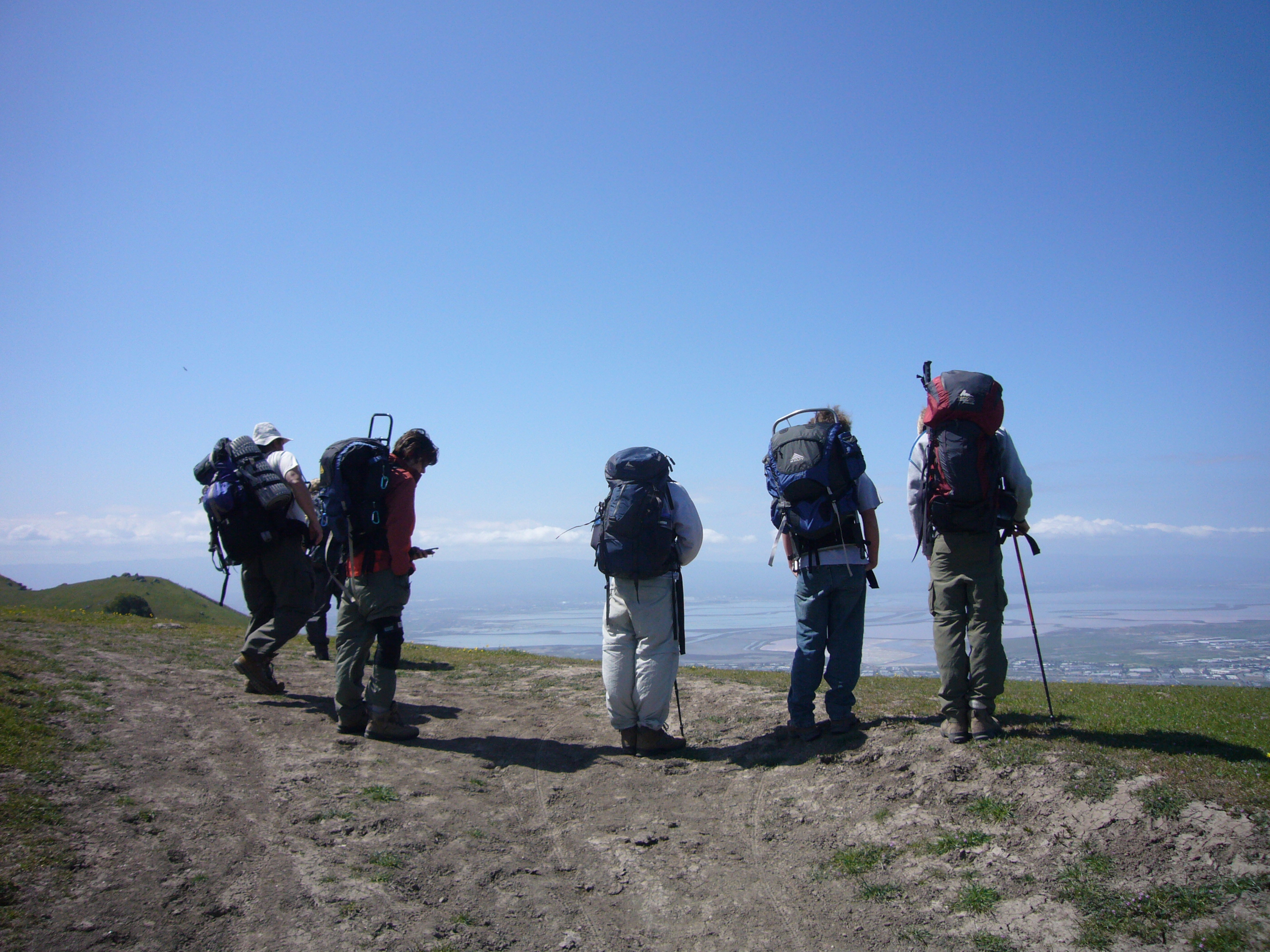
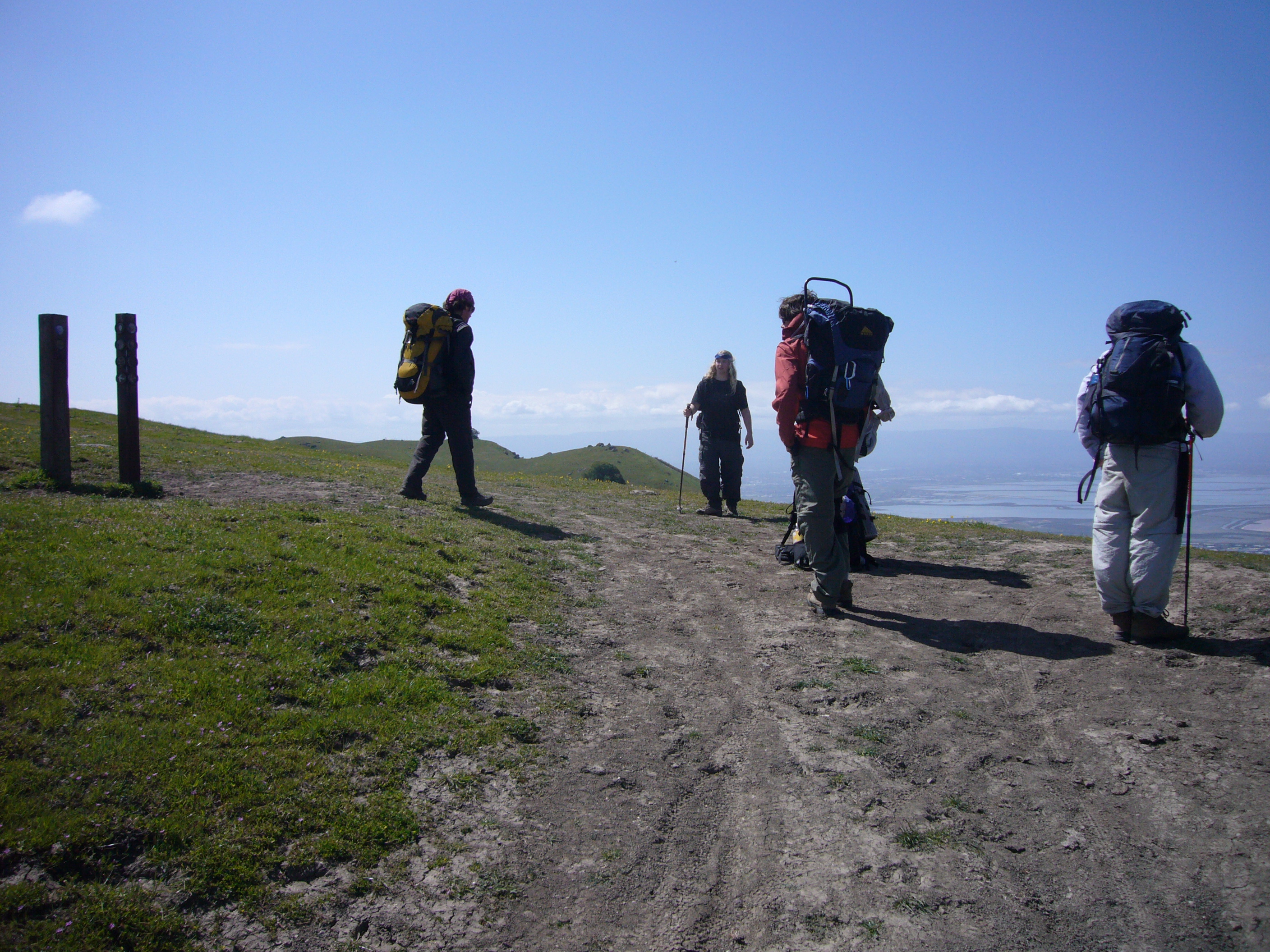
A very handy tool for approaching any conflict situation that needs to be resolved is E.A.R.
Ask the people involved to:
Express – What you want and what are you doing to get it.
Address – Why it is working or not working.
Resolve – What ways there are to solve the situation.
**For the last decade I’ve been involved with leadership development of tomorrow’s leaders. Using my expertise, I am training the youth leaders in conflict resolution. This blog is adapted from my training materials.
About the Author: Ken Strongman (www.kpstrongman.com) has years of experience and a growing national reputation as a mediator and arbitrator. He has successfully resolved more than a thousand disputes in the fields of construction defects, real estate, intellectual property, and employment. He is also a Mediator and Arbitrator for FINRA.
In my leadership training on conflict resolution, I have the participates conduct a closed fist exercise.The participants pair off.One forms a fist and the other has three minutes to convince them to open their fists.
In the debriefing time we discuss how they managed to convince the other to open their fists.The usual results:
·Bribery—”I’ll give you five dollars if you open your fist.”
·Concern—”It doesn’t matter to me if you open your fist, but unless you do you won’t be able to pick anything up.”
·Persuasion—”I like your hands better open than closed.”
·Interest—”I’m curious to see what’s inside your fist.”
·Straightforwardness—”Hey, open your fist!”
The point of this exercise is to remind all of us that we can’t make people do anything they don’t want to do. If you ask anyone to do something and they refuse, you can’t force them to do it.
Naturally, if they are an employee, you can fire them, but you can’t force them to do it.The bottom line is you can’t coerce someone to do something.Ultimately, you can only empower yourself. Then, within boundaries, you can encourage others to act in certain ways.
**For the last decade I’ve been involved with leadership development of tomorrow’s leaders. Using my expertise, I am training the youth leaders in conflict resolution. This blog is adapted from my training materials.
About the Author: Ken Strongman (www.kpstrongman.com) has years of experience and a growing national reputation as a mediator and arbitrator. He has successfully resolved more than a thousand disputes in the fields of construction defects, real estate, intellectual property, and employment. He is also a Mediator and Arbitrator for FINRA.
The better the information you have, the greater your chances of finding a workable solution.Listen carefully to what others are saying, not judging until you hear everyone’s story.Be aware of tone of voice, body language, and other clues. Understand what each person is expressing – what he wants and what he is willing to do to get there.Then clarify that the solution lies with all parties.
Listen carefully to what others are saying without judgment until you have everyone’s side of the story. Clarify what you have heard and then reframe it back to each party.Remember the solution lays with both parties not you.
**For the last decade I’ve been involved with leadership development of tomorrow’s leaders. Using my expertise, I am training the youth leaders in conflict resolution. This blog is adapted from my training materials.
About the Author: Ken Strongman (www.kpstrongman.com) has years of experience and a growing national reputation as a mediator and arbitrator. He has successfully resolved more than a thousand disputes in the fields of construction defects, real estate, intellectual property, and employment. He is also a Mediator and Arbitrator for FINRA.
Negotiation is an important skill in mediation or any conflict resolution. It is needed for the parties to come to an agreement and thereby resolve a conflict.It doesn’t matter if the conflict developed at home or at work, or in any leadership situation.
Separate People from the Problem
When negotiating, the first step is to separate people from the problem. When negotiating, remember you’re dealing with people who have their own unique needs, emotions and perceptions.Some conflicts are based on differences in thinking and perceptions. These conflicts may exist mainly in peoples’ minds. It helps for each party to put themselves into the other’s shoes so they can understand each others point of view.
Differences in Perceptions
Identify and openly discuss differences in perceptions, being careful not to place blame. In addition, recognize and understand the other side’s emotions as well as your own.
Positions
People often confuse interests with positions. An interest may be reducing litter in roadside ditches. There are many possible ways of addressing this interest. One might be the position of mandatory recycling. Another position might be a deposit on bottles and cans. Still another could be organizing a clean-up day.
Focus on interests, not positions. Focusing on interests, rather than positions, makes it possible to come up with better agreements. Even when people stand on opposite positions, they usually have a few shared interests.
It takes time and effort to identify interests. Groups may not even be clear about their own interests. It helps to write down each group’s interests as they are discovered. It helps to ask why others take the positions or make the decisions they do. Partners will have multiple interests. Interests involving important human needs (such as security, economic well-being, a sense of belonging, recognition and control over one’s life) are difficult to negotiate.
Develop optional solutions.When you are developing optional solutions that meet the interests of all sides, try to meet as many of each side’s interests as possible. Start by inviting all sides to brainstorm ideas before reaching a decision.
**For the last decade I’ve been involved with leadership development of tomorrow’s leaders. Using my expertise, I am training the youth leaders in conflict resolution. This blog is adapted from my training materials.
About the Author: Ken Strongman (www.kpstrongman.com) has years of experience and a growing national reputation as a mediator and arbitrator. He has successfully resolved more than a thousand disputes in the fields of construction defects, real estate, intellectual property, and employment. He is also a Mediator and Arbitrator for FINRA.
Being Aware of Others is an Important Step to Resolve Conflicts
Being aware of others is an important step to conflict resolution. Being aware of others helps you adjust the situation for a good outcome.It is important to be aware of their physical comfort and any other factors that might be affecting their emotions.
Consider taking a break if necessary
Consider taking a break if necessary. Now may not be the time to resolve the conflict. It does not have to be resolved instantaneously.A break of a couple of hours, days or in some cases weeks will create a better outcome.
Consider the location
Consider the location.It is often better to change to a more neutral location, or a least a location where both parties are equally uncomfortable.Meet away from the rest of the group if possible.I have found that the bigger the entourage the less likely a resolution can be found.Each party must save some face, and if the entourage is egging them on, they will not be able to save any face.We all remember our grade school yards when some one yelled ‘fight’ and the crowd quickly gathers around the combatants.Without the crowd, they might have agreed to disagree or at least one could have run away. But with the crowd, neither can stop the conflict from proceeding.
Be aware of their physical comfort
Be aware of their physical comfort.They may be tired.They may be hungry.They may be in physical pain.If any of these or similar condition occur, it will be difficult to resolved the conflict.
**For the last decade I’ve been involved with leadership development of tomorrow’s leaders. Using my expertise, I am training the youth leaders in conflict resolution. This blog is adapted from my training materials.
About the Author: Ken Strongman (www.kpstrongman.com) has years of experience and a growing national reputation as a mediator and arbitrator. He has successfully resolved more than a thousand disputes in the fields of construction defects, real estate, intellectual property, and employment. He is also a Mediator and Arbitrator for FINRA.
When are people most likely to do what you ask? (Especially if it is something they are not excited about!)
·When they trust you
·Experience shows you are a reliable leader and ally
·They understand you make decisions for the good of the group
·They know you care about them
How many of you have heard the first law of Real Estate: “Location, Location, Location”
Well the first law of team building is: Relationships, Relationships, Relationships.Relationships come from involvement with people.Listening is the most important skill in building those relationships and resolving any conflict, whether the conflict involves you as a participant or as a moderator. Unless you make a conscious effort to listen, you will miss vital facts and beliefs that could lead to a satisfactory resolution.
**For the last decade I’ve been involved with leadership development of tomorrow’s leaders. Using my expertise, I am training the youth leaders in conflict resolution. This blog is adapted from my training materials.
About the Author: Ken Strongman (www.kpstrongman.com) has years of experience and a growing national reputation as a mediator and arbitrator. He has successfully resolved more than a thousand disputes in the fields of construction defects, real estate, intellectual property, and employment. He is also a Mediator and Arbitrator for FINRA.
If you are upset or angry, it affects how you relate to others. You must be aware of your own emotions.We all have them, so don’t deny them.If necessary you may need to call a time-out to let your own emotions cool down.
It is not just having an understanding of your own emotions.I know that my mediations do not go well if I have a personal distraction.The distraction doesn’t have to have anything to do with the situation at hand.It could be something simple like I have less that a quarter of a tank of gasoline in my car, or more complex like there are difficulties at home.
Make sure that you have minimized all of your personal distractions.Be neutral and level headed.Be aware of your own emotions.If you are a team leader confronting conflict, you need to keep track of the team’s vision along with your own emotions, wants and desires.
Finally, if you own the cause of the problem, you may not be the best to resolve the conflict.
**For the last decade I’ve been involved with leadership development of tomorrow’s leaders. Using my expertise, I am training the youth leaders in conflict resolution. This blog is adapted from my training materials.
About the Author: Ken Strongman (www.kpstrongman.com) has years of experience and a growing national reputation as a mediator and arbitrator. He has successfully resolved more than a thousand disputes in the fields of construction defects, real estate, intellectual property, and employment. He is also a Mediator and Arbitrator for FINRA.
There are basic steps to resolve conflicts. All leaders are bound to encounter difficulties between two people or groups.This will happen when the team is in the ‘storming’ stage of team development.In this stage the conflict may not be completely obvious.It’s quite true that some will act out their issues.Others can become extra quiet and withdrawn.
The simple steps to resolve any conflict are:
·Be aware of yourself.
·Be aware of others.
·Listen.
·Use your EAR. [Express, Address, Resolve.]
**For the last decade I’ve been involved with leadership development of tomorrow’s leaders. Using my expertise, I am training the youth leaders in conflict resolution. This blog is adapted from my training materials.
About the Author: Ken Strongman (www.kpstrongman.com) has years of experience and a growing national reputation as a mediator and arbitrator. He has successfully resolved more than a thousand disputes in the fields of construction defects, real estate, intellectual property, and employment. He is also a Mediator and Arbitrator for FINRA.
Thanksgiving conflicts reduces anyone’s ability to be thankful. Thanksgiving is sometimes referred to as forced family time. It is ripe for all kinds of potential conflicts.Here are some things to minimize or avoid conflicts on the big day without lowering your expectations of being truly thankful.
·Realize that Norman Rockwell was a fraud.His famous Thanksgiving painting is a total fantasy.I’ve been told that when he painted it, each of the models posed separately.So naturally they appear happy.They were not in the same room with the others and they obviously didn’t have to eat the food.They couldn’t because it had to remain for the next model.
·Speaking of food… for all of those that have recently converted to a vegan diet or just discovered the South Beach, North Beach or West Beach diet, or have any dietary restrictions based on health: the only statement on the subject you can make is (with a smile) – “No, Thank you” while you are passing the plates.
·Thanksgiving is not the time to proselytize anyone to a life free of all of the cholesterol choking cancer causing food on the table. Yes, stress causes heart attacks.But stress doesn’t come from always eating the wrong foods, it also comes from people reminding (nagging) you not to eat certain foods.
·For those of you on a diet at Thanksgiving and can’t see anything on the table the diet will allow you to eat, and you still want to be true to your diet.Just remember you do want to loose weight so not eating anything would still be a good thing.
·Speaking of proselytizing…Thanksgiving should be a time to be thankful that we are blessed in this country with the privilege to not have to talk politics 365-days a year.Thanksgiving is the time to eat the turkey and to stop talking about the turkeys running the country.
·Realize that everyone does not have to do the same thing all the time.For some (or a whole lot of people) cheering on their favorite football team with family and friends is just as much a bonding experience as other activities.Let them watch the game.At least half the population will be truly thankful their team won.Being thankful is what it is all about.
·Some may want to watch football, others might want to play a game of football, other still may want to go out and change the water pump on a car.That is OK!Chill out!Be thankful they are all here and having fun.
·Thanksgiving is not a time to be thankful for your holiday cruise to the Caribbean, new car, house, job, or any other material thing.Be thankful for the little things: breathing, the sunrise, food on the table, and laughter.We are all social people and never truly get along with each other.If there was no conflict we wouldn’t be human and we need to be thankful that we are human.
About the Author: Ken Strongman, is a private commercial mediator/arbitrator of complex, high risk litigated cases since 2004. Disputes addressed include business, securities, construction defects, real estate, intellectual property, employment, environment, energy, and trusts & estates. He is also a Mediator and Arbitrator for FINRA.
One of the key steps to resolve any conflict is knowing how to respond to an angry person.You just have to listen to them.
When you’re listening to an angry person:
Be attentive and patient: Keep in mind that they will become less angry as you let them express themselves.
Be sincere: Empathy and validation must be both honest and genuine. Don’t react any other way.
Be calm: Try to remove your own emotions from the discussion. Remember that an angry person may say inflammatory things in the heat of the moment, but you do not have to react angrily.They may be trying to push your buttons and make you angry. By so doing, they believe that they will gain the upper hand in the conflict.
**For the last decade I’ve been involved with leadership development of tomorrow’s leaders. Using my expertise, I am training the youth leaders in conflict resolution. This blog is adapted from my training materials.
About the Author: Ken Strongman (www.kpstrongman.com) has years of experience and a growing national reputation as a mediator and arbitrator. He has successfully resolved more than a thousand disputes in the fields of construction defects, real estate, intellectual property, and employment. He is also a Mediator and Arbitrator for FINRA.
Websites store cookies to enhance functionality and personalise your experience. You can manage your preferences, but blocking some cookies may impact site performance and services.
Essential cookies enable basic functions and are necessary for the proper function of the website.
Name
Description
Duration
Cookie Preferences
This cookie is used to store the user's cookie consent preferences.
 About the Author: Ken Strongman (www.kpstrongman.com) has years of experience and a growing national reputation as a mediator and arbitrator. He has successfully resolved more than a thousand disputes in the fields of construction defects, real estate, intellectual property, and employment. He is also a Mediator and Arbitrator for FINRA.