Category: Conflict Resolution

What is Conflict Resolution and how to resolve conflicts.

  • Being aware of others is important to conflict resolution

    Be aware if others
    Be aware if others

    Being Aware of Others is an Important Step to Resolve Conflicts

    Being aware of others is an important step to conflict resolution.  Being aware of others helps you adjust the situation for a good outcome.  It is important to be aware of their physical comfort and any other factors that might be affecting their emotions. 

    Consider taking a break if necessary

    Consider taking a break if necessary. Now may not be the time to resolve the conflict. It does not have to be resolved instantaneously.  A break of a couple of hours, days or in some cases weeks will create a better outcome.

    Consider the location

    Consider the location.  It is often better to change to a more neutral location, or a least a location where both parties are equally uncomfortable.  Meet away from the rest of the group if possible.  I have found that the bigger the entourage the less likely a resolution can be found.  Each party must save some face, and if the entourage is egging them on, they will not be able to save any face.   We all remember our grade school yards when some one yelled ‘fight’ and the crowd quickly gathers around the combatants.  Without the crowd, they might have agreed to disagree or at least one could have run away. But with the crowd, neither can stop the conflict from proceeding.

    Be aware of their physical comfort

    Be aware of their physical comfort.  They may be tired.  They may be hungry.  They may be in physical pain.  If any of these or similar condition occur, it will be difficult to resolved the conflict.  

    **For the last decade I’ve been involved with leadership development of tomorrow’s leaders.  Using my expertise, I am training the youth leaders in conflict resolution.  This blog is adapted from my training materials. 

     

    Ken StrongmanAbout the Author: Ken Strongman (www.kpstrongman.com) has years of experience and a growing national reputation as a mediator and arbitrator.  He has successfully resolved more than a thousand disputes in the fields of construction defects, real estate, intellectual property, and employment.  He is also a Mediator and Arbitrator for FINRA.

    © 2020 Ken Strongman. All Rights Reserved. Please do not copy or repost without permission.

  • When are people most likely to do what you ask?

    NYLT_Ken Strongman 10When are people most likely to do what you ask?  (Especially if it is something they are not excited about!)

    ·     When they trust you

    ·     Experience shows you are a reliable leader and ally

    ·     They understand you make decisions for the good of the group

    ·     They know you care about them

    How many of you have heard the first law of Real Estate: “Location, Location, Location”

    Well the first law of team building is: Relationships, Relationships, Relationships.  Relationships come from involvement with people.  Listening is the most important skill in building those relationships and resolving any conflict, whether the conflict involves you as a participant or as a moderator. Unless you make a conscious effort to listen, you will miss vital facts and beliefs that could lead to a satisfactory resolution.

    **For the last decade I’ve been involved with leadership development of tomorrow’s leaders.  Using my expertise, I am training the youth leaders in conflict resolution.  This blog is adapted from my training materials. 


    Ken StrongmanAbout the Author: Ken Strongman (www.kpstrongman.com) has years of experience and a growing national reputation as a mediator and arbitrator.  He has successfully resolved more than a thousand disputes in the fields of construction defects, real estate, intellectual property, and employment.  He is also a Mediator and Arbitrator for FINRA.

    © 2020 Ken Strongman. All Rights Reserved. Please do not copy or repost without permission.
  • You need to be aware of yourself before you can resolve a conflict.

    NYLT_Ken Strongman 09 aware
    aware of yourself

    If you are upset or angry, it affects how you relate to others.  You must be aware of your own emotions.  We all have them, so don’t deny them.  If necessary you may need to call a time-out to let your own emotions cool down.

    It is not just having an understanding of your own emotions.  I know that my mediations do not go well if I have a personal distraction.  The distraction doesn’t have to have anything to do with the situation at hand.  It could be something simple like I have less that a quarter of a tank of gasoline in my car, or more complex like there are difficulties at home.  

    Make sure that you have minimized all of your personal distractions.  Be neutral and level headed.  Be aware of your own emotions.  If you are a team leader confronting conflict, you need to keep track of the team’s vision along with your own emotions, wants and desires.

    Finally, if you own the cause of the problem, you may not be the best to resolve the conflict.

    **For the last decade I’ve been involved with leadership development of tomorrow’s leaders.  Using my expertise, I am training the youth leaders in conflict resolution.  This blog is adapted from my training materials. 

     Ken StrongmanAbout the Author: Ken Strongman (www.kpstrongman.com) has years of experience and a growing national reputation as a mediator and arbitrator.  He has successfully resolved more than a thousand disputes in the fields of construction defects, real estate, intellectual property, and employment.  He is also a Mediator and Arbitrator for FINRA.

    © 2020 Ken Strongman. All Rights Reserved. Please do not copy or repost without permission.
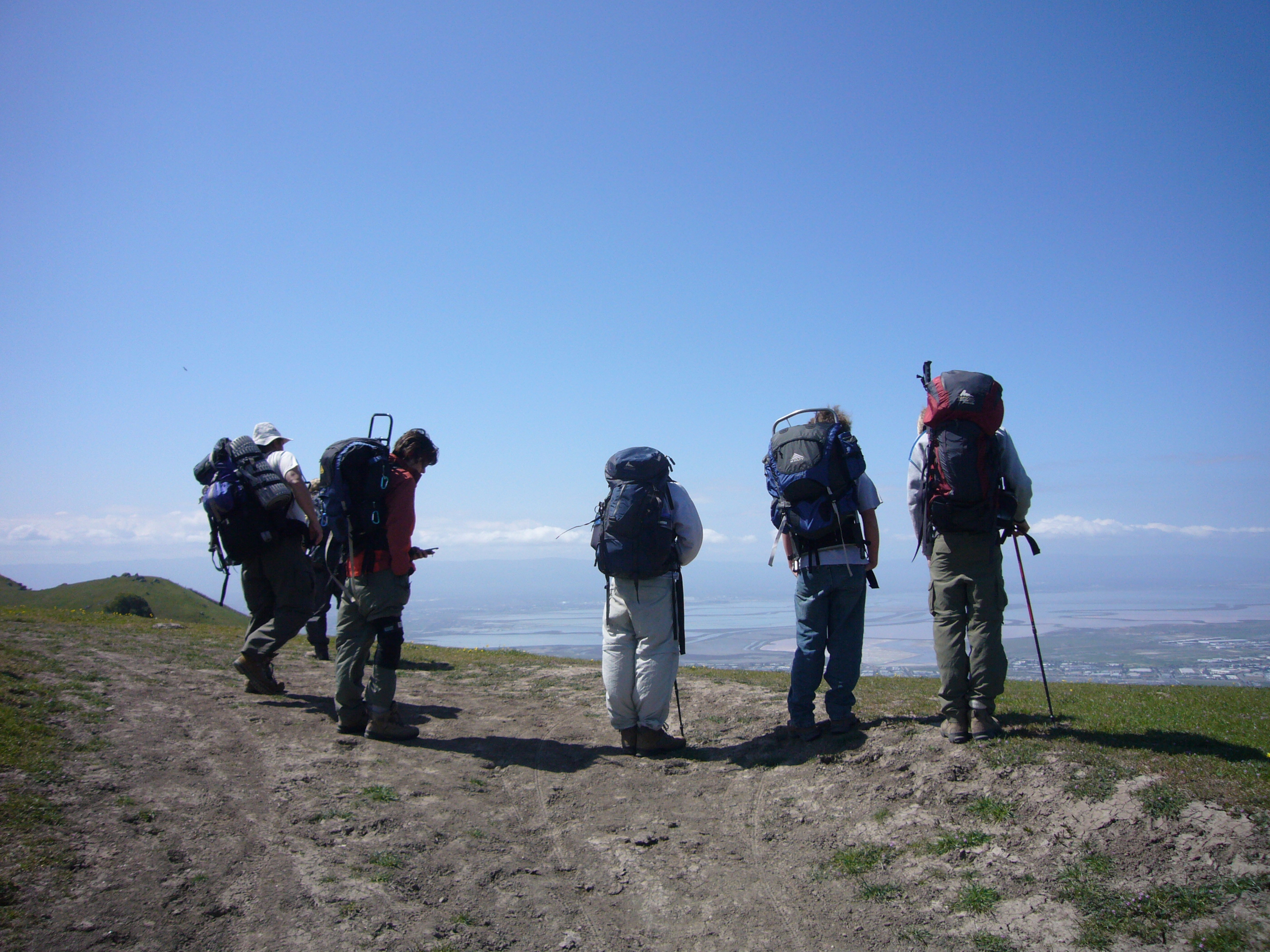
  • Steps to Resolve Conflict.

    NYLT_Ken Strongman 08
    Steps to resolve conflicts.

    There are basic steps to resolve conflicts. All leaders are bound to encounter difficulties between two people or groups.  This will happen when the team is in the ‘storming’ stage of team development.  In this stage the conflict may not be completely obvious.  It’s quite true that some will act out their issues.  Others can become extra quiet and withdrawn.

    The simple steps to resolve any conflict are:

    ·     Be aware of yourself.

    ·     Be aware of others.

    ·     Listen.

    ·     Use your EAR.  [Express, Address, Resolve.]

    **For the last decade I’ve been involved with leadership development of tomorrow’s leaders.  Using my expertise, I am training the youth leaders in conflict resolution.  This blog is adapted from my training materials. 

     Ken StrongmanAbout the Author: Ken Strongman (www.kpstrongman.com) has years of experience and a growing national reputation as a mediator and arbitrator.  He has successfully resolved more than a thousand disputes in the fields of construction defects, real estate, intellectual property, and employment.  He is also a Mediator and Arbitrator for FINRA.

    © 2020 Ken Strongman. All Rights Reserved. Please do not copy or repost without permission.

  • Thanksgiving Conflicts – How to avoid

    Rockwell Thanksgiving
    Idealized Thanksgiving

    Thanksgiving conflicts reduces anyone’s ability to be thankful. Thanksgiving is sometimes referred to as forced family time. It is ripe for all kinds of potential conflicts.  Here are some things to minimize or avoid conflicts on the big day without lowering your expectations of being truly thankful.    

    ·     Realize that Norman Rockwell was a fraud.  His famous Thanksgiving painting is a total fantasy.   I’ve been told that when he painted it, each of the models posed separately.  So naturally they appear happy.  They were not in the same room with the others and they obviously didn’t have to eat the food.  They couldn’t because it had to remain for the next model.

    ·     Speaking of food… for all of those that have recently converted to a vegan diet or just discovered the South Beach, North Beach or West Beach diet, or have any dietary restrictions based on health: the only statement on the subject you can make is (with a smile) – “No, Thank you” while you are passing the plates.   

    ·     Thanksgiving is not the time to proselytize anyone to a life free of all of the cholesterol choking cancer causing food on the table.   Yes, stress causes heart attacks.  But stress doesn’t come from always eating the wrong foods, it also comes from people reminding (nagging) you not to eat certain foods. 

    ·     For those of you on a diet at Thanksgiving and can’t see anything on the table the diet will allow you to eat, and you still want to be true to your diet.  Just remember you do want to loose weight so not eating anything would still be a good thing. 

    ·     Speaking of proselytizing…Thanksgiving should be a time to be thankful that we are blessed in this country with the privilege to not have to talk politics 365-days a year.  Thanksgiving is the time to eat the turkey and to stop talking about the turkeys running the country. 

    ·     Realize that everyone does not have to do the same thing all the time.  For some (or a whole lot of people) cheering on their favorite football team with family and friends is just as much a bonding experience as other activities.  Let them watch the game.  At least half the population will be truly thankful their team won.   Being thankful is what it is all about. 

    ·     Some may want to watch football, others might want to play a game of football, other still may want to go out and change the water pump on a car.  That is OK!  Chill out!  Be thankful they are all here and having fun. 

    ·     Thanksgiving is not a time to be thankful for your holiday cruise to the Caribbean, new car, house, job, or any other material thing.   Be thankful for the little things: breathing, the sunrise, food on the table, and laughter.  We are all social people and never truly get along with each other.  If there was no conflict we wouldn’t be human and we need to be thankful that we are human.   

    Ken StrongmanAbout the Author: Ken Strongman, is a private commercial mediator/arbitrator of complex, high risk litigated cases since 2004. Disputes addressed include business, securities, construction defects, real estate, intellectual property, employment, environment, energy, and trusts & estates. He is also a Mediator and Arbitrator for FINRA.

    © 2021 Ken Strongman. All Rights Reserved. Please do not copy or re-post without permission.

  • How to respond to an angry person.

    NYLT_Ken Strongman 07
    Responding to angry persons.

    One of the key steps to resolve any conflict is knowing how to respond to an angry person.  You just have to listen to them. 

    When you’re listening to an angry person:

    Be attentive and patient: Keep in mind that they will become less angry as you let them express themselves.  

    Be sincere: Empathy and validation must be both honest and genuine.  Don’t react any other way.

    Be calm: Try to remove your own emotions from the discussion. Remember that an angry person may say inflammatory things in the heat of the moment, but you do not have to react angrily.  They may be trying to push your buttons and make you angry.  By so doing, they believe that they will gain the upper hand in the conflict.

    **For the last decade I’ve been involved with leadership development of tomorrow’s leaders.  Using my expertise, I am training the youth leaders in conflict resolution.  This blog is adapted from my training materials. 


    Ken StrongmanAbout the Author: Ken Strongman (www.kpstrongman.com) has years of experience and a growing national reputation as a mediator and arbitrator.  He has successfully resolved more than a thousand disputes in the fields of construction defects, real estate, intellectual property, and employment.  He is also a Mediator and Arbitrator for FINRA.

    © 2020 Ken Strongman. All Rights Reserved. Please do not copy or repost without permission.
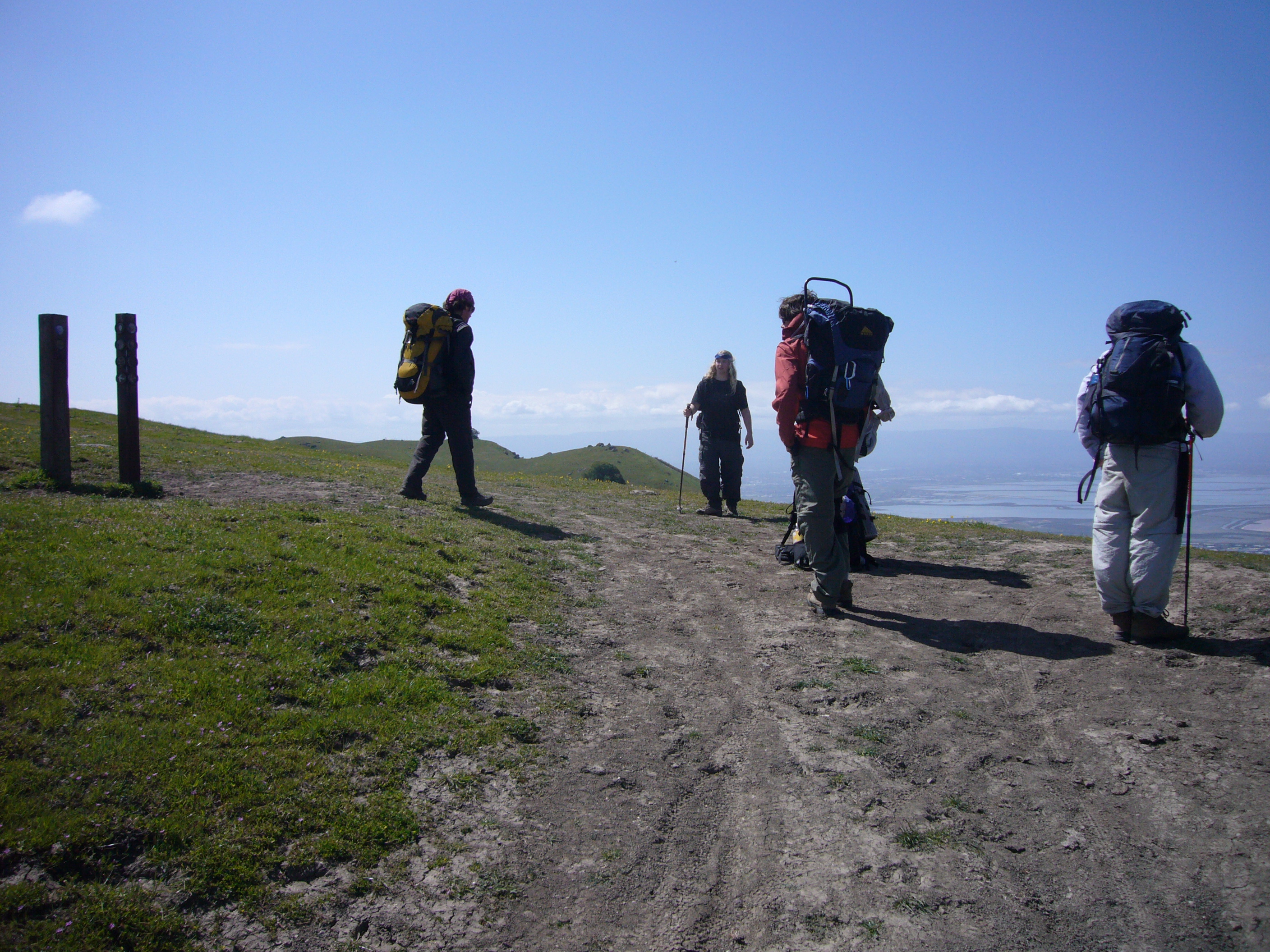
  • Don’t be afraid of anger – angry people can’t lie.

    NYLT_Ken Strongman 06Don’t be afraid of anger – angry people can’t lie.

    The first step to resolve any conflict is to defuse anger.  But do not be afraid of anger.  An angry person can’t lie because anger is a primitive emotional response.  To lie, you must control your emotions and turn on your intellect.  So when someone is angry, whatever they are telling you contains some truth.  Beware that this does not stop good actors.  A good actor merely appears to be angry as they try to control the situation

    There are several reasons for anger:

    To vent. An angry person needs to let off steam and release the anger that may have been brewing for a long time.  To resolve the conflict you need to allow this to happen, but try to control it by reframing their issues. 

    To get the listener’s attention. An angry person wants to know that you are paying attention.  Use good listening skills to demonstrate that you are paying attention.

    To be heard. An angry person wants someone to listen to their point of view.  To resolve the conflict, you need to acknowledge the feelings you hear so that the speaker knows you appreciate how angry they are.

    To be understood. An angry person wants someone to appreciate how they feel.  Therefore try to empathize with their experience so that they feel you understand the situation, and acknowledge their ‘right’ to feel the way they do.  This does not mean that you should agree with their justification.  You do want to remain neutral in the conflict and not pick sides.

    **For the last decade I’ve been involved with leadership development of tomorrow’s leaders.  Using my expertise, I am training the youth leaders in conflict resolution.  This blog is adapted from my training materials. 


    Ken StrongmanAbout the Author: Ken Strongman (www.kpstrongman.com) has years of experience and a growing national reputation as a mediator and arbitrator.  He has successfully resolved more than a thousand disputes in the fields of construction defects, real estate, intellectual property, and employment.  He is also a Mediator and Arbitrator for FINRA.

    © 2020 Ken Strongman. All Rights Reserved. Please do not copy or repost without permission.
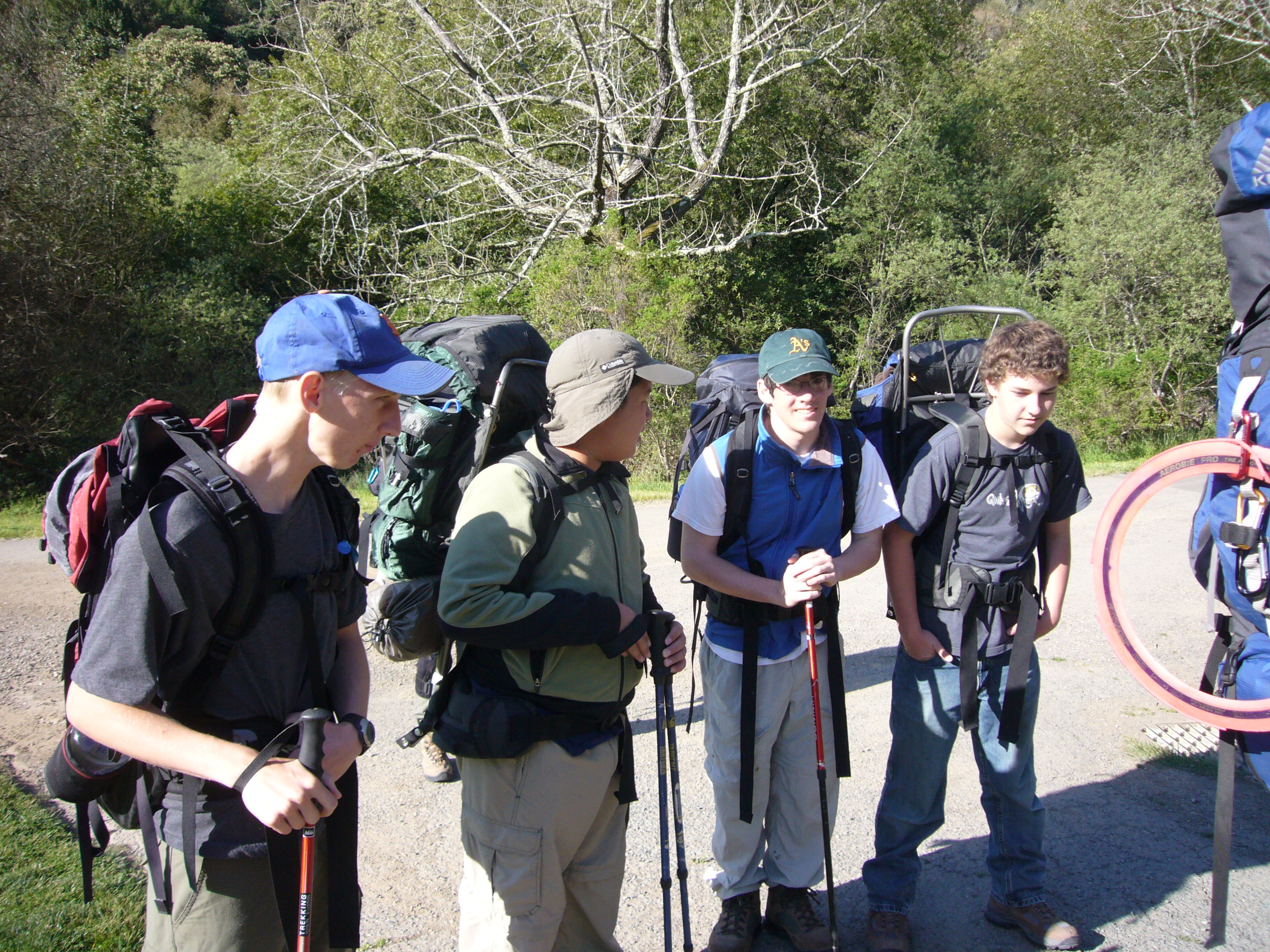
  • The ingredients of any conflict.

    Conflict is EverywhereThe ingredients of any conflict

    All conflicts have similar ingredients.  They may vary in amount but most are present in some way.  

    Needs – Needs are physical requirements essential to our well-being. Conflicts arise when we ignore others’ needs, our own needs or the group’s needs. It is important to not to confuse needs with desires.  These are the things we would like to have but are not essential.

    Perceptions – All humans interpret reality differently. They perceive differences in the severity, causes and consequences of problems. Misperceptions or differing perceptions may come from: self-perceptions, others’ perceptions, differing perceptions of situations and perceptions of threat.  How something is framed will affect its perception.  So in conflict resolution, re-framing is an important task to get to a solution.

    Power – How people define and use power is an important influence on the number and types of conflicts that occur. This also influences how conflict is managed. Conflicts can arise when people try to make others change their actions or to gain an unfair advantage.  This is a powerful human motivation.  Everyone wants to establish or reestablish the perception of control.

    Values – Values are beliefs or principles we consider to be very important. Serious conflicts arise when people hold incompatible values or when values are not clear. Conflicts also arise when one party refuses to accept the fact that the other party holds something as a value rather than a preference.  To resolve the conflict, clarify each party’s values. 

    Feelings and emotions – Many people let their feelings and emotions become a major influence over how they deal with conflict. Conflicts can also occur because people ignore their own or others’ feelings and emotions. Other conflicts occur when feelings and emotions differ over a particular issue.

    For an experienced Mediator to help negotiate a resolution to your dispute contact Ken Strongman. Here.

    **For the last decade I’ve been involved with leadership development of tomorrow’s leaders.  Using my expertise, I am training the youth leaders in conflict resolution.  This blog is adapted from my training materials. 


    Ken StrongmanAbout the Author: Ken Strongman (www.kpstrongman.com) has years of experience and a growing national reputation as a mediator and arbitrator.  He has successfully resolved more than a thousand disputes in the fields of construction defects, real estate, intellectual property, and employment.  He is also a Mediator and Arbitrator for FINRA.

    © 2021 Ken Strongman. All Rights Reserved. Please do not copy or repost without permission.

  • What really motivates humans?

    Motivates?

    What really motivates humans?

    Before we get can resolve conflicts, we need to understand what is really going on.   My colleague, James Cawood teaches and consults in major hostage situations.  He teaches that there are only two basic human motivations:  

            Seek Stimulation

            Establish (or Re-establish) Perception of Control

    It is somewhat hard to comprehend that there are only two reasons we humans act.  But viewing many of the conflicts that I have helped resolved through mediation, it does become clearer. 

    We humans are always seeking stimulation.  We are not a passive group at all.  Conflicts can be generated through or by this motivation to seek stimulation, it is slightly less important that the second motivation.

    We all want control over our own lives or at the very least a perception of control.  Historically, this is always the cause of wars.  One group wants to control another group.  We have not completely matured from the past.  Today we at least want the perception of control. 

    Team leaders have been given by society real control of the team.  To head off potential conflicts with team members, the team leader must be confident in their position and to help everyone else develop their perception that they, too, are in control of the situation. 

    **For the last decade I’ve been involved with leadership development of tomorrow’s leaders.  Using my expertise, I am training the youth leaders in conflict resolution.  This blog is adapted from my training materials. 


    Ken StrongmanAbout the Author: Ken Strongman (www.kpstrongman.com) has years of experience and a growing national reputation as a mediator and arbitrator.  He has successfully resolved more than a thousand disputes in the fields of construction defects, real estate, intellectual property, and employment.  He is also a Mediator and Arbitrator for FINRA.

    © 2020 Ken Strongman. All Rights Reserved. Please do not copy or repost without permission.

  • What is Conflict?

    NYLT_Ken_Strongman 03
    Conflict

    What is Conflict?

    Conflict occurs when people disagree and seem unable to find a solution or a reasonable compromise.  The roots of these disagreements can arise from many sources including differences in personality, values, and perceptions.  As a team leader, you will occasionally need to handle the differences that arise between members of your team. Conflicts may be minor or they may fester into something that can damage team spirit and the ability of the group to work together effectively.

    Often it is the lack of team vision of what should happen in a given situation that creates the conflict.  To minimize conflict, the team vision needs to be agreed to before the team can achieve its goals.  If there is a difference, then the team members will never be on the same page.

    In team development the Storming stage is ripe for conflict.  That is where this stage gets its name.  Therefore as a leader, you should expect conflict and to be prepared for it while the team moves through this stage of team development.  If the team doesn’t start to resolve their conflicts in this stage, the team will not get to the performing stage and achieve the team vision.

    Minor conflicts, if not resolved, can grow to bigger ones.  At the same time, they will damage team spirit.  Therefore it is important to watch out for minor conflicts and create mechanisms to resolve them.

    **For the last decade I’ve been involved with leadership development of tomorrow’s leaders.  Using my expertise, I am training the youth leaders in conflict resolution.  This blog is adapted from my training materials. 

     NYLT_Ken_Strongman 03

    Ken StrongmanAbout the Author: Ken Strongman (www.kpstrongman.com) has years of experience and a growing national reputation as a mediator and arbitrator.  He has successfully resolved more than a thousand disputes in the fields of construction defects, real estate, intellectual property, and employment.  He is also a Mediator and Arbitrator for FINRA.

    © 2020 Ken Strongman. All Rights Reserved. Please do not copy or repost without permission.