Tag: mediation

  • Dynamic Mediation: Unveiling the Devil’s Advocate Role

    Dynamic Mediation: Unveiling the Devil’s Advocate Role

    Devil's Advocate
    Devil’s Advocate

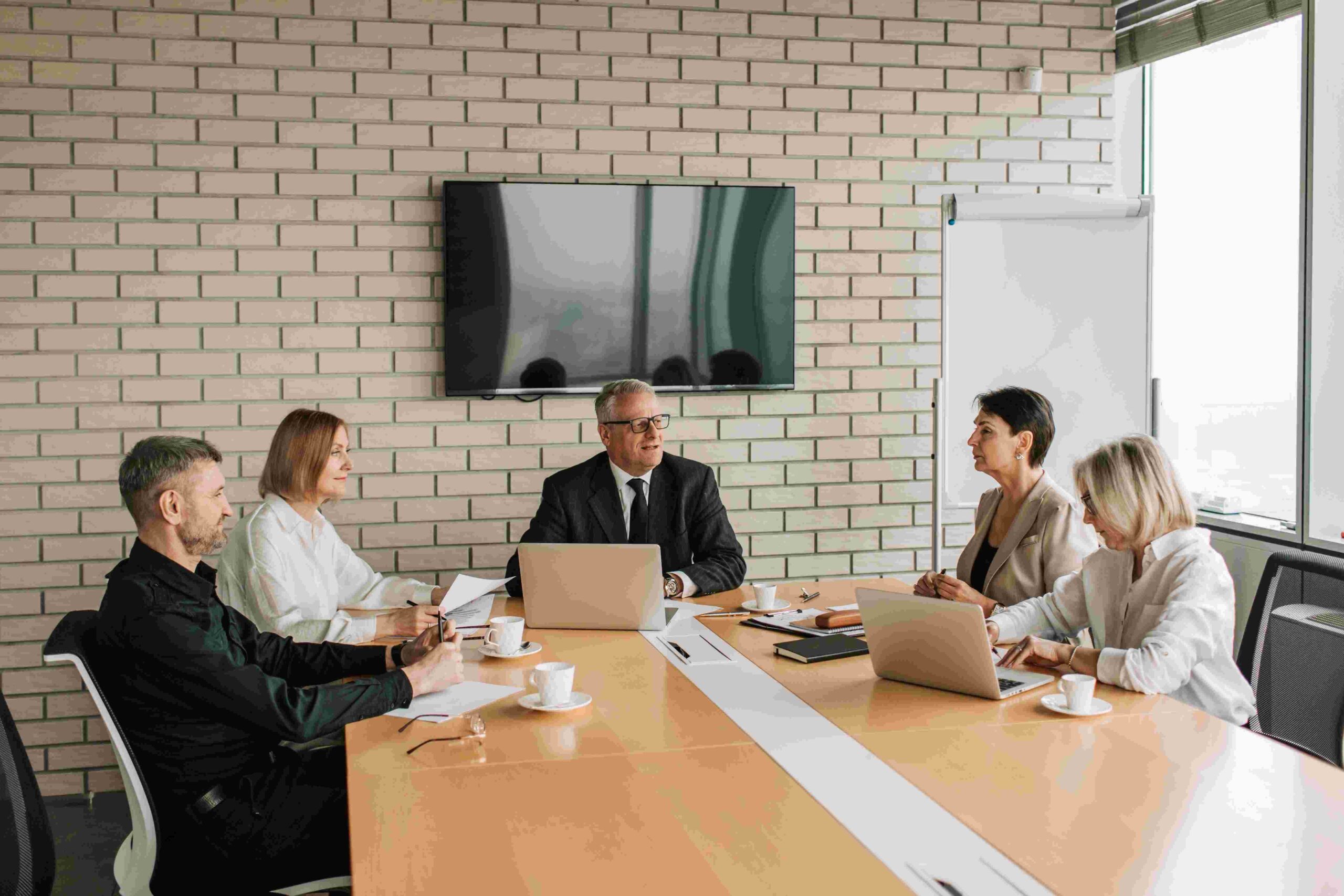
    Unlocking the intricate layers of mediation, I invite you to delve into the world where the Devil’s Advocate isn’t a foe, but a pivotal force for resolution. Mediation isn’t just about neutrality; it’s a vibrant art of active engagement and strategic perspective. As a seasoned mediator, I am not only to facilitate but to stir conversations that reveal the hidden strengths and potential weaknesses in a dispute, guiding you towards a deeper understanding of negotiation dynamics.

    Devil’s Advocate plays a crucial role within mediation, embodying a stance of constructive challenge and active inquiry. As a proficient mediator, I integrate personal insights without compromising neutrality. These insights aren’t hindrances but tools that broaden perspectives. A robust mediator proficiently navigates diverse viewpoints, shedding light on various facets of a case. Assessing both sides’ strengths and weaknesses becomes a hallmark of effective mediation. During private caucuses, I steer discussions, urging parties to contemplate opposing viewpoints, fostering a comprehensive evaluation of their arguments.

    A strong mediator doesn’t just point out weaknesses; they facilitate a profound introspection. In these sessions, I encourage attorneys and parties to envision themselves on the opposing side, soliciting factual and legal grounds that support the other party’s position. This exercise serves as a catalyst, provoking contemplation on potential outcomes if one side fails to make a convincing case. The prospect of potential loss becomes a driver, motivating active participation in negotiations to avert adverse consequences.

    Mediators act as a ‘sounding board,’ providing a platform to echo arguments, offers, and counteroffers. I don the role of a ‘coach’ to address hypotheticals, deliver tough news, and decipher opponents’ responses to offers. My goal as a strong mediator is to serve as a neutral evaluator, offering you and your attorney a fresh perspective to reevaluate your case comprehensively. Lastly, a proficient mediator not only identifies components for resolution from your standpoint but also delivers necessary tough news to both sides, steering discussions toward viable solutions.

    Ready to embark on a mediation journey that unravels hidden potentials and facilitates resolution? Contact me today to experience the power of dynamic mediation firsthand. Your pathway to effective conflict resolution awaits!

    About the Author: Ken Strongman is a private commercial mediator/arbitrator of complex, high risk litigated cases since 2004. Disputes addressed include business, securities, construction defects, real estate, intellectual property, employment, environment, energy, and trusts & estates. He is also a Mediator and Arbitrator for FINRA and president of The Mediation Society.

    #ADR #mediators #mediation #conflict #lawsuit #construction #construction #legal #alternativedisputeresolution #negociation #dispute #finra #themediationsociety

    © 2024 Ken Strongman. All Rights Reserved. Please do not copy or repost without permission.

  • Thanksgiving Conflicts: Navigating Family Gatherings with Grace

    Thanksgiving Conflicts: Navigating Family Gatherings with Grace

    Thanksgiving conflicts
    Thanksgiving Conflicts

    Picture this: the scent of a perfectly roasted turkey fills the air, the table groans under the weight of delicious dishes, and loved ones gather to celebrate Thanksgiving. It’s a heartwarming image, but let’s be honest—Thanksgiving can also be a recipe for potential conflicts, turning your festive feast into a battleground of differing opinions, diets, and traditions. But fret not; this blog is your guide to not only surviving but thriving during Thanksgiving. From debunking Norman Rockwell’s idyllic depictions to handling dietary dilemmas and steering clear of political debates, we’ll show you how to keep the peace while cherishing the holiday spirit.

    Thanksgiving conflicts can reduce anyone’s ability to be thankful. Some people refer to Thanksgiving as forced family time, making it ripe for all kinds of potential conflicts. To minimize or avoid conflicts on the big day without lowering your expectations of being truly thankful, consider the following:

    1. Realize that Norman Rockwell was a fraud. His famous Thanksgiving painting is a total fantasy. People have told me that when he painted it, each of the models posed separately, so naturally, they appeared happy. They were not in the same room with the others, and they obviously didn’t have to eat the food. They couldn’t because it had to remain for the next model.
    2. Speaking of food, for all of those who have recently converted to a vegan diet or just discovered some new exotic diet, or have any dietary restrictions based on health, the only statement on the subject you can make is (with a smile) – “No, thank you” while you are passing the plates.
    3. Thanksgiving is not the time to proselytize anyone to a life free of all the cholesterol-choking, cancer-causing food on the table. Yes, stress causes heart attacks, but stress doesn’t come from always eating the wrong foods; it also comes from people reminding (nagging) you not to eat certain foods.
    4. For those of you on a diet at Thanksgiving and can’t see anything on the table the diet will allow you to eat, and you still want to be true to your diet, just remember you do want to lose weight, so not eating anything would still be a good thing.
    5. Speaking of proselytizing, Thanksgiving should be a time to be thankful that we are blessed in this country with the privilege to not have to talk politics 365 days a year. Thanksgiving is the time to eat the turkey and to stop talking about the turkeys running the country.
    6. Realize that everyone does not have to do the same thing all the time. For some (or a whole lot of people), cheering on their favorite football team with family and friends is just as much a bonding experience as other activities. Let them watch the game. At least half the population will be truly thankful their team won. Being thankful is what it’s all about.
    7. Some may want to watch football, others might want to play a game of football, and others still may want to go out and change the water pump on a car. That’s OK! Chill out! Be thankful they are all here and having fun.
    8. Thanksgiving is not a time to be thankful for your holiday cruise to the Caribbean, new car, house, job, or any other material thing. Be thankful for the little things: breathing, the sunrise, food on the table, and laughter. We are all social people and never truly get along with each other. If there were no conflict, we wouldn’t be human, and we need to be thankful that we are human.

    So, let’s embrace the true essence of Thanksgiving and ensure that every moment is filled with gratitude, laughter, and cherished memories. Join us on this journey towards harmonious celebrations and share your tips for a conflict-free Thanksgiving in the comments below!

    About the Author: Ken Strongman has years of experience and a growing national reputation as a mediator and arbitrator.  He has successfully resolved more than a thousand disputes in the fields of construction defects, real estate, intellectual property, and employment.  He is also a Mediator and Arbitrator for FINRA and president of The Mediation Society.

    #ADR #mediators #mediation #conflict #lawsuit #construction #construction #legal #alternativedisputeresolution #negociation #dispute #finra #themediationsociety

    © 2024 Ken Strongman. All Rights Reserved. Please do not copy or repost without permission.

  • Mastering the Art of Negotiation: Your Path to Effective Conflict Resolution

    Mastering the Art of Negotiation: Your Path to Effective Conflict Resolution


    Negotiation is a part of life
    Negotiation is a part of life

    Conflict is an inevitable part of life, but how we navigate it can make all the difference. Welcome to a world where negotiation is the compass guiding us through turbulent waters. Negotiation isn’t just a skill for diplomats and business tycoons; it’s a fundamental aspect of our daily interactions. Picture a world where disputes could be resolved peacefully, to the satisfaction of all parties involved. This blog is your gateway to understanding the art of negotiation and its profound impact on leadership, relationships, and society as a whole.

    Resolving Conflict through negotiation is a part of life. Negotiation is how conflicts are resolved. Hopefully, they can be resolved peacefully and to the satisfaction of both parties to the conflict. Leaders’ skill set must include negotiation. Therefore, some of these blog postings will deal with ways a leader can help resolve conflicts.

    I hope to provide useful information on:

    • Knowing and articulating several ways that good leadership can minimize conflict.
    • Understanding how the acronym E.A.R. can be used as a tool for resolving conflicts (Express, Address, Resolve).
    • Using several communication skills important for resolving conflicts.
    • Knowing negotiating skills to resolve conflicts for the benefit of all parties to the conflict.

    All conflict resolution involves negotiation. Let’s look at the definition and characteristics of negotiation.

    What is Negotiation

    Negotiation is a voluntary, non-binding bargaining process, in which the parties to a dispute attempt resolution among themselves. Often, agents of the disputing parties (their lawyers, real estate agents, accountants, and so forth), who are in actual communication with each other, are the negotiators. The actual disputing persons sometimes do not meet or participate in direct discussions until most, or all, of the dispute has been resolved.

    Characteristics of Negotiation

    The chief characteristics of negotiation are:

    • Mutual Consent. Negotiation is voluntary. The parties cannot be compelled to negotiate or even negotiate in good faith. Negotiations cease when one party declines to continue.
    • Successful Result is Enforceable. A negotiated settlement, usually memorialized in a written agreement, is as valid and enforceable as any common law contract.
    • The parties and/or their agents are in personal contact with each other. A third party neutral is involved in negotiations.
    • No statute or case law governs the process of negotiation. Some prefer to negotiate in person. Others use letters, e-mail, or telephone calls. Still others negotiate through agents or intermediaries.
    • Negotiation is a process, taking place over time, as opposed to a single meeting or a brief exchange of correspondence.
    • Negotiators share facts and arguments often in a disorganized manner. Negotiators posture and obfuscate, misstate the law, rail and threat and bluff, implore and cajole, and mix fact with fiction, exaggeration, and lies, during a series of back-and-forth communications.
    • Negotiations are usually conducted in private. Publicity is anathema to a frank exchange of opinions, offers, and demands negotiations.

    So, are you ready to embark on this journey with us? Join the conversation, share your insights, and take a step toward becoming a more effective leader, communicator, and conflict resolver. Let’s navigate the world of negotiation together! Remember Negotiation is a part of life.

    For an experienced Mediator to help negotiate a resolution to your dispute, contact Ken Strongman. Here.

    About the Author: Ken Strongman is a private commercial #mediator of complex, high risk litigated cases since 2004 with years of experience and a growing national reputation as a mediator and arbitrator.  He has successfully resolved in the fields of construction defects, real estate, intellectual property, and employment.  He is also a Mediator and Arbitrator for FINRA and President of The Mediation Society.

    #ADR #mediators #mediation #conflict #lawsuit #construction #construction #legal #alternativedisputeresolution #negociation #dispute #finra #themediationsociety

    © 2024 Ken Strongman. All Rights Reserved. Please do not copy or repost without permission.

     

  • Empower Your Conflict Resolutions: Take Charge of Your Emotional Journey

    Empower Your Conflict Resolutions: Take Charge of Your Emotional Journey

    emotional jouney
    emotional journey – pexels-yan-krukov-7698744

    Unlocking the intricate world of conflict resolution is like embarking on an emotional journey, where each step carries the weight of our needs, perceptions, power dynamics, values, and the most potent element of all – feelings and emotions. Today, we dive deep into the heart of this labyrinth. It’s undeniable that feelings and emotions hold the reins in our conflicts, often hidden beneath the surface or openly raging. This blog unravels the profound impact these emotional undercurrents have on our ability to resolve disputes.

    All conflicts share similar ingredients, which may vary in degree, but most have some presence of them. The primary ingredients include Needs, Perceptions, Power, Values, and Feelings and Emotions. Today, I am focusing on feelings and emotions.

    Feelings and emotions often exert a major influence on how many people deal with conflict. Conflicts can also arise when people ignore their own or others’ feelings and emotions, or when conflicting emotions and feelings emerge over a particular issue.

    I started with “many people let their feelings and emotions become a major influence…” In reality, all people have emotional responses to conflict. Some are simply not honest with themselves. Pride significantly drives emotions. Regardless of the value in dispute, feelings and emotions impact the ability to resolve a conflict.

    Whether you’re navigating personal conflicts or striving for harmony in your professional life, understanding the role of emotions is key. Are you ready to take charge of your emotional journey in conflict resolution? Connect with an experienced Mediator like Ken Strongman and embark on a path toward peaceful resolution by reaching out here.

    About the Author: Ken Strongman has years of experience and a growing national reputation as a mediator and arbitrator.  He has successfully resolved more than a thousand disputes in the fields of construction defects, real estate, intellectual property, and employment.  He is also a Mediator and Arbitrator for FINRA and president of The Mediation Society.

    #ADR #mediators #mediation #conflict #lawsuit #construction #construction #legal #alternativedisputeresolution #negociation #dispute #finra #themediationsociety

  • Master the Dance of Conflict Resolution: Take Action Today!

    Master the Dance of Conflict Resolution: Take Action Today!

    Conflict is Everywhere

    Conflicts are an undeniable part of human existence, weaving their intricate threads through the tapestry of our lives. Yet, have you ever wondered why conflicts seem to have a recurring cast of characters, like the timeless ingredients in a beloved recipe? In the world of conflicts, needs, perceptions, power, values, and emotions dance together, creating a choreography that’s both complex and captivating. Join me on this journey as we uncover the secrets of these conflict ingredients. Discover how understanding them can bring resolution to your disputes, restore harmony, and transform discord into an opportunity for growth.

    All conflicts share similar ingredients. These ingredients may vary in quantity, but most conflicts involve them in some way.

    Needs – We have physical requirements essential to our well-being, and conflicts arise when we ignore others’ needs, our own needs, or the group’s needs. It is important not to confuse needs with desires, as desires are things, we would like to have but are not essential.

    Perceptions – Humans interpret reality differently. They perceive differences in the severity, causes, and consequences of problems. Misperceptions or differing perceptions may stem from self-perceptions, others’ perceptions, varying perceptions of situations, and perceptions of threat. How something is framed affects its perception, so in conflict resolution, reframing becomes an important task to reach a solution.

    Power – People’s definition and use of power significantly influence the number and types of conflicts that occur. This also affects how conflict is managed. Conflicts can arise when people attempt to make others change their actions or gain an unfair advantage, as this is a powerful human motivation. Everyone desires to establish or reestablish the perception of control.

    Values – Values are beliefs or principles we deem crucial. Serious conflicts arise when people hold incompatible values or when values are unclear. Conflicts also occur when one party refuses to acknowledge that the other party regards something as a value rather than a preference. To resolve the conflict, clarify each party’s values.

    Feelings and emotions – All people let their feelings and emotions significantly influence how they deal with conflict. Conflicts can also occur because people neglect their own or others’ feelings and emotions, and other conflicts may arise when feelings and emotions differ on a particular issue.

    Are you ready to take the first step toward peaceful resolution? Contact Ken Strongman, our experienced Mediator, and let’s begin the dance of mediation to resolve your conflicts today.

    Ken StrongmanAbout the Author:

    Ken Strongman has years of experience and a growing national reputation as a mediator and arbitrator.  He has successfully resolved more than a thousand disputes in the fields of construction defects, real estate, intellectual property, and employment.  He is also a Mediator and Arbitrator for FINRA and president of The Mediation Society.

    #ADR #mediators #mediation #conflict #lawsuit #construction #construction #legal #alternativedisputeresolution #negociation #dispute #finra #themediationsociety

    © 2024 Ken Strongman. All Rights Reserved. Please do not copy or repost without permission.

  • How To Use Commercial Mediation to Resolve Disputes in Real Estate Transactions

    How To Use Commercial Mediation to Resolve Disputes in Real Estate Transactions

    How To Use Commercial Mediation to Resolve Disputes in Real Estate Transactions – sora-shimazaki-5673488

    Real estate transactions can be complex and involve a lot of different parties, including buyers, sellers, agents, lenders, and more. With so many different people involved, it’s not uncommon for disputes to arise during the transaction process. These disputes can range from disagreements about the purchase price or closing date to more serious issues like breaches of contract or fraud.

    When disputes arise in real estate transactions, it can be tempting to immediately turn to litigation. However, litigation can be costly, time-consuming, and stressful for all parties involved. Fortunately, there is an alternative to litigation: commercial mediation.

    Commercial mediation is a process where a neutral third-party mediator helps the parties in a dispute come to a mutually acceptable resolution. The mediator does not have the power to make a binding decision, but instead works with the parties to help them reach an agreement on their own terms.

    Here are some steps you can take to use commercial mediation to resolve disputes in real estate transactions:

    Choose a mediator

    The first step in using commercial mediation is to choose a mediator. Look for someone, such as myself, who is experienced in real estate disputes and has a reputation for being fair, neutral, and impartial.

    Agree on the terms of mediation

    Before the mediation process can begin, all parties involved must agree to participate in mediation and agree on the terms of the process. This includes deciding on the location, timing, and duration of the mediation, as well as any fees associated with the process.

    Prepare for mediation

    Once the terms of mediation have been agreed upon, all parties involved should prepare for the mediation session. This may include gathering relevant documents and evidence, reviewing any relevant contracts or agreements, and preparing a list of potential solutions to the dispute.

    Participate in mediation

    During the mediation session, the mediator will work with the parties to help them come to a mutually acceptable resolution. This may involve discussing the issues at hand, identifying common ground, and brainstorming potential solutions.

    Reach an agreement

    If the parties are able to reach an agreement during mediation, the terms of the agreement should be put in writing and signed by all parties involved. This agreement will be binding and can be used to resolve the dispute.

    Overall, commercial mediation can be an effective way to resolve disputes in real estate transactions. By choosing a neutral mediator and working together to find a mutually acceptable solution, all parties involved can avoid the stress, cost, and uncertainty of litigation.

    For an experienced Mediator to help negotiate a resolution to your commercial dispute contact Ken Strongman. Here.

    About the Author: As a professional Mediator and Arbitrator since 2004 Ken Strongman has years of experience and has successfully resolved disputes in the fields of Business/Commercial, Securities, Estates/Probate/Trusts, Real Estate, Intellectual Property, Construction Defects, Construction Contracts, Employment, and Environment. He is also a Mediator and Arbitrator for FINRA.  

    © 2023 Ken Strongman. All Rights Reserved. Please do not copy or re-post without permission.

  • The Benefits of Using Commercial Mediation in International Business Disputes

    The Benefits of Using Commercial Mediation in International Business Disputes

    The Benefits of Using Commercial Mediation in International Business Disputes – vlada-karpovich-7433900

    As the world becomes more connected through global trade and commerce, international business disputes are becoming increasingly common. These disputes can arise from a variety of issues, including contractual breaches, intellectual property disputes, and disputes related to the interpretation of laws and regulations. In such cases, commercial mediation can be an effective way to resolve these disputes amicably and efficiently.

    Commercial mediation involves the use of an independent third party, known as a mediator, to facilitate negotiations between the parties in dispute. The mediator’s role is to help the parties communicate effectively, identify the issues in dispute, and explore possible solutions to resolve the dispute. Unlike litigation or arbitration, which are often time-consuming and expensive, commercial mediation is typically faster, less formal, and less expensive.

    Retain Control

    One of the primary benefits of commercial mediation in international business disputes is that it allows the parties to retain control over the outcome of the dispute. Unlike litigation or arbitration, where a judge or arbitrator makes a binding decision, the parties in mediation have the freedom to negotiate and come up with a solution that works for them. This can be especially important in international disputes, where cultural and legal differences may make it difficult to find a solution that works for both parties.

    Confidential

    Another benefit of commercial mediation is that it is confidential. This means that the discussions and negotiations that take place during the mediation process are kept private, which can help to preserve the parties’ business relationships. In contrast, litigation and arbitration proceedings are generally open to the public, which can lead to negative publicity and damage to a company’s reputation.

    Cost-effective

    Commercial mediation can also be more cost-effective than other forms of dispute resolution. The costs associated with litigation and arbitration can be significant, including legal fees, court costs, and expert witness fees. In contrast, the costs associated with mediation are typically lower, as there are no formal procedures or court fees to pay.

    Finally, commercial mediation can be a faster and more efficient way to resolve disputes. Litigation and arbitration proceedings can take months or even years to resolve, while a mediation process can often be completed in a matter of weeks or months. This can be especially important in international disputes, where time is often of the essence.

    Therefore, commercial mediation can be an effective way to resolve international business disputes. It allows the parties to retain control over the outcome of the dispute, is confidential, cost-effective, and can be completed quickly and efficiently. As businesses continue to expand their global reach, the use of commercial mediation is likely to become even more important in resolving international disputes.

    For an experienced Mediator to help negotiate a resolution to your commercial dispute contact Ken Strongman. Here.

    About the Author: As a professional Mediator and Arbitrator since 2004 Ken Strongman has years of experience and has successfully resolved disputes in the fields of Business/Commercial, Securities, Estates/Probate/Trusts, Real Estate, Intellectual Property, Construction Defects, Construction Contracts, Employment, and Environment. He is also a Mediator and Arbitrator for FINRA.

    © 2023 Ken Strongman. All Rights Reserved. Please do not copy or re-post without permission.

  • Differences Between  Mediation & Arbitration

    Differences Between Mediation & Arbitration

    The Differences Between Mediation and Arbitration – yan-krukov-7640796

    Alternative dispute resolution (ADR) methods such as commercial mediation and arbitration have become increasingly popular in recent years. While these two approaches share similarities, they also have significant differences, each with its own set of advantages and disadvantages. In this blog post, we will explore the differences between commercial mediation and arbitration.

    Mediation

    Commercial mediation is a voluntary and confidential process that involves a neutral third party, known as a mediator, who helps parties negotiate and reach a mutually acceptable solution to their dispute. Mediation is an informal process that does not involve strict rules of evidence or procedure. It can be used in various commercial disputes, including contractual, employment, and shareholder disputes. One significant benefit of mediation is its flexibility, as parties can agree on the mediator’s qualifications, location, and time frame for sessions. Additionally, mediation is generally less expensive and quicker than arbitration or litigation.

    Arbitration

    Arbitration is a more formal process that involves a neutral third party, known as an arbitrator, who renders a binding decision on both parties. Arbitration can be used in various commercial disputes, including contractual, construction, and intellectual property disputes. Unlike mediation, the arbitrator’s decision is final and enforceable, and the process is governed by strict rules of evidence and procedure. However, arbitration also offers greater flexibility than litigation, as parties can agree on the arbitrator’s qualifications, location, and time frame for proceedings. Additionally, the rules of evidence and procedure are generally less formal than those in litigation, making arbitration a more accessible and efficient process.

    In conclusion, both commercial mediation and arbitration are valuable ADR methods in resolving commercial disputes. Mediation is a more informal and flexible process that relies on parties’ agreement to reach a mutually acceptable solution. In contrast, arbitration is a more formal and binding process that involves a neutral third party’s decision. Ultimately, the choice between mediation and arbitration depends on the nature of the dispute and the parties’ goals and preferences. By understanding the differences between these two approaches, parties can make informed decisions when selecting an ADR method to resolve their commercial disputes.

    For an experienced Mediator to help negotiate a resolution to your commercial dispute contact Ken Strongman. Here.

    About the Author: As a professional Mediator and Arbitrator since 2004 Ken Strongman has years of experience and has successfully resolved disputes in the fields of Business/Commercial, Securities, Estates/Probate/Trusts, Real Estate, Intellectual Property, Construction Defects, Construction Contracts, Employment, and Environment. He is also a Mediator and Arbitrator for FINRA

    © 2023 Ken Strongman. All Rights Reserved. Please do not copy or re-post without permission.

  • How To Negotiate Effectively in Mediation

    How To Negotiate Effectively in Commercial Mediation

    Commercial mediation is an effective method to resolve disputes in business. It involves a neutral third-party mediator who helps parties find a mutually acceptable solution to their dispute. However, successful commercial mediation depends on effective negotiation skills. Here are some tips on how to negotiate effectively in commercial mediation:

    Understand your goals and objectives

    Before entering into commercial mediation, you should have a clear understanding of your goals and objectives. What do you hope to achieve through the mediation process? This could be a settlement, an agreement to work together, or even just a better understanding of the other party’s position. Understanding your goals and objectives will help you focus your negotiation strategy and communicate your needs effectively.

    Prepare your case

    In commercial mediation, preparation is key. You should gather all relevant information and documentation related to your case. This includes any contracts, correspondence, or evidence that supports your position. You should also review your case and identify any strengths and weaknesses. This will help you anticipate the other party’s arguments and prepare counter-arguments.

    Listen actively

    Active listening is a critical component of effective negotiation in commercial mediation. You should listen carefully to the other party’s position and try to understand their perspective. This will help you identify areas of common ground and potential solutions. It is also important to acknowledge the other party’s feelings and concerns, as this can help build rapport and trust.

    Communicate clearly and assertively

    Communication is key in commercial mediation. You should communicate your needs and objectives clearly and assertively. This means being confident in expressing your position, while also being open to the other party’s perspective. It is important to avoid getting defensive or emotional, as this can undermine the negotiation process.

    Explore creative solutions

    Commercial mediation offers a unique opportunity to explore creative solutions to disputes. You should be open to exploring different options and brainstorming potential solutions. This may involve compromising on some issues, but it can ultimately lead to a more satisfactory outcome for both parties.

    Be willing to compromise

    Compromise is an essential component of successful negotiation in commercial mediation. You should be willing to make concessions and find common ground with the other party. This may involve giving up some of your demands in order to reach a mutually acceptable solution.

    In conclusion, effective negotiation skills are essential for successful commercial mediation. By understanding your goals and objectives, preparing your case, listening actively, communicating clearly and assertively, exploring creative solutions, and being willing to compromise, you can increase your chances of reaching a satisfactory resolution to your dispute.

    For an experienced Mediator to help negotiate a resolution to your commercial dispute contact Ken Strongman. Here.

    About the Author: As a professional Mediator and Arbitrator since 2004 Ken Strongman has years of experience and has successfully resolved disputes in the fields of Business/Commercial, Securities, Estates/Probate/Trusts, Real Estate, Intellectual Property, Construction Defects, Construction Contracts, Employment, and Environment. He is also a Mediator and Arbitrator for FINRA.  

    © 2023 Ken Strongman. All Rights Reserved. Please do not copy or re-post without permission.

  • Potential Outcomes of a  Mediation Session

    Potential Outcomes of a Mediation Session

    The Potential Outcomes of a Commercial Mediation Session – pexels-yan-krukov-7793988

    When parties find themselves in a commercial dispute, they often look to mediation as a means of resolving the issue without going to court. Mediation is a process where a neutral third party, the mediator, helps the parties negotiate and reach a mutually agreeable settlement.

    A successful mediation session can lead to a number of potential outcomes, including:

    Settlement Agreement

    The most common outcome of a successful mediation session is a settlement agreement. This is a written agreement that outlines the terms of the settlement reached by the parties. The settlement agreement is usually binding and enforceable, meaning that if one party fails to comply with the terms of the agreement, the other party can take legal action to enforce it.

    Improved Relationship between the parties

     Mediation is a collaborative process, and as such, it can help improve the relationship between the parties. The mediator works to facilitate communication and understanding between the parties, which can lead to a better working relationship moving forward.

    Cost Savings

    Mediation is often a more cost-effective alternative to going to court. The parties only pay for the mediator’s time, whereas going to court can involve substantial legal fees and expenses.

    Time Savings

    Mediation is typically a much faster process than going to court. The parties can usually schedule a mediation session within a few weeks, whereas going to court can take months or even years.

    Confidentiality

    Mediation is a confidential process, which means that the discussions and information exchanged during the session cannot be used in court. This can be particularly beneficial for parties who want to avoid negative publicity or protect sensitive information.

    Creativity

    Mediation allows parties to come up with creative solutions to their dispute. The mediator can help the parties think outside the box and explore alternative options that may not be available in a court setting.

    Of course, not all mediation sessions are successful. In some cases, the parties are unable to reach a settlement agreement, and they may need to pursue other options, such as going to court. However, even in these cases, the parties may still benefit from the process. Mediation can help them better understand each other’s positions and identify areas of agreement and disagreement, which can be helpful in resolving the dispute in the future.

    Therefore, mediation can be a highly effective way to resolve commercial disputes. A successful mediation session can lead to a settlement agreement, improved relationships between the parties, cost and time savings, confidentiality, creativity, and other benefits. Even in cases where the parties are unable to reach a settlement agreement, mediation can still be a valuable process that helps them better understand each other’s perspectives and lays the groundwork for future resolution.

    For an experienced Mediator to help negotiate a resolution to your commercial dispute contact Ken Strongman. Here.

    About the Author: As a professional Mediator and Arbitrator since 2004 Ken Strongman has years of experience and has successfully resolved disputes in the fields of Business/Commercial, Securities, Estates/Probate/Trusts, Real Estate, Intellectual Property, Construction Defects, Construction Contracts, Employment, and Environment. He is also a Mediator and Arbitrator for FINRA.

    © 2023 Ken Strongman. All Rights Reserved. Please do not copy or re-post without permission.