
Category: Mediation

What is Mediation and how to effectively use it to resolve disputes.

  • What are the weaknesses in your case?

    What are the weaknesses in your case?

    What are the weaknesses in your case?"
    Listening Is the Best Way to Resolve Conflicts

    In the labyrinth of legal disputes, victory often hinges on one crucial question: “What are the weaknesses in your case?” This inquiry acts as a compass, guiding litigants through the intricate terrain of negotiation. The resolution of a dispute extends far beyond the confines of the mediation room; it begins with meticulous preparation and a comprehensive understanding of one’s vulnerabilities. As a seasoned mediator, I’ve witnessed firsthand the transformative power of acknowledging and addressing these weaknesses. In this discourse, we delve into the importance of recognizing and strategizing around the weaknesses inherent in any legal case.

    Each participant embarking on the journey of mediation must equip themselves with a robust strategy for negotiation. It’s not merely a matter of showing up on the designated day; rather, it demands meticulous groundwork and a thorough examination of one’s position. I’ve outlined a series of tasks essential for every participant to undertake, serving as the cornerstone of their negotiation strategy.

    Confidentiality serves as the bedrock of mediation, shielding discussions and strategies under the protective umbrella of attorney-client privilege and mediation confidentiality provisions. This sacred space allows participants to candidly assess their case’s vulnerabilities without fear of repercussion or exploitation.

    A pivotal aspect of this preparation involves a candid appraisal of one’s case. It necessitates a deep dive into the legal intricacies, scrutinizing potential weaknesses that could undermine the case’s strength. From issues of law such as the statute of limitations to evidentiary concerns like admissibility and credibility, no stone should be left unturned. Even seemingly minor discrepancies, like incorrect defendant names, can prove detrimental if overlooked.

    Moreover, the examination extends to the realm of evidence and witnesses. Lack of substantial evidence or unreliable witnesses can significantly diminish one’s prospects. Evaluating the persuasiveness and availability of witnesses, alongside their potential vulnerabilities, is paramount. Furthermore, understanding the prevailing sentiments of a jury in the jurisdiction can influence negotiation tactics and strategic decisions.

    Ultimately, the crux of the matter lies in anticipating the opponent’s perspective. By preemptively addressing the weaknesses in one’s case, participants can better navigate negotiations, armed with a comprehensive understanding of their position’s strengths and vulnerabilities.

    In the pursuit of equitable resolution, embracing mediation as a pathway to reconciliation and compromise is paramount. As you embark on this journey, I invite you to engage in proactive dialogue, exploring the intricacies of your case with diligence and introspection. Together, we can navigate the complexities of mediation, forging a path towards resolution and closure.

    Ready to embark on the journey towards resolution? Contact Ken Strongman today to explore how mediation can unlock the doors to compromise and reconciliation. Let’s navigate the complexities of your case together and pave the way for a brighter tomorrow.

    About the Author: Ken Strongman is a private commercial mediator/arbitrator of complex, high risk litigated cases since 2004. Disputes addressed include business, securities, construction defects, real estate, intellectual property, employment, environment, energy, and trusts & estates. He is also a Mediator and Arbitrator for FINRA and president of The Mediation Society.

    #ADR #mediators #mediation #conflict #lawsuit #construction #legal #litagation #alternativedisputeresolution #negociation #dispute #finra #themediationsociety

    © 2024 Ken Strongman. All Rights Reserved. Please do not copy or repost without permission.

  • Recognizing When an Agreement Outshines Court Battles

    Recognizing When an Agreement Outshines Court Battles

    better than using the court system

    In the tumultuous landscape of dispute resolution, one critical juncture shines brighter than the rest: determining when a potential agreement surpasses the alternative of court proceedings. As the cacophony of conflict swirls around us, discerning the moment when mediation yields a superior outcome becomes paramount. Let’s embark on a journey through the intricacies of negotiation, guided by the beacon of clarity in recognizing the supremacy of a mediated resolution over traditional courtroom battles.

    The resolution of disputes through mediation is not a mere transaction confined to the duration of a single session. Rather, it’s an intricate dance requiring careful preparation and strategy formulation well in advance. Drawing from my extensive experience as a mediator, I’ve compiled a comprehensive set of tasks essential for each participant to undertake. These tasks, shrouded in confidentiality under Attorney-Client privilege and mediation standards, serve as the building blocks for fruitful negotiations.

    As you navigate the labyrinth of mediation, it’s imperative to cultivate a keen awareness of the signs indicating proximity to a voluntary agreement. Collaborating with legal counsel and the mediator, participants must scrutinize the landscape for clues signaling alignment with their interests. Employing objective criteria as guiding beacons, parties can gauge the efficacy of potential agreements in satisfying their respective needs. Yet, amidst this journey, one pivotal question looms: at what juncture does a voluntary agreement eclipse the recourse to litigation in court? This critical decision hinges on a nuanced understanding of one’s interests and the comparative advantages offered by mediation over traditional legal battles.

    At the heart of successful mediation lies the ability to discern when a potential agreement transcends the adversarial nature of courtroom battles. By leveraging objective criteria as yardsticks of evaluation, participants can navigate the negotiation process with clarity and purpose. As the contours of agreement begin to crystallize, it’s essential to work closely with legal counsel and the mediator to ensure alignment with individual interests. Together, we can chart a course towards a resolution that not only satisfies immediate needs but also lays the groundwork for sustainable harmony.

    Embark on the path towards resolution with confidence, armed with the knowledge that mediation offers a superior alternative to protracted courtroom battles. To navigate this journey with expertise and finesse, consider enlisting the guidance of Ken Strongman as your mediator. With a wealth of experience and a commitment to facilitating equitable agreements, Ken stands ready to shepherd you towards a resolution that transcends the confines of conflict. Reach out today to embark on a journey towards a brighter tomorrow.

    About the Author: Ken Strongman is a private commercial mediator/arbitrator of complex, high risk litigated cases since 2004. Disputes addressed include business, securities, construction defects, real estate, intellectual property, employment, environment, energy, and trusts & estates. He is also a Mediator and Arbitrator for FINRA and president of The Mediation Society.

    #ADR #mediators #mediation #conflict #lawsuit #construction #legal #litagation #alternativedisputeresolution #negociation #dispute #finra #themediationsociety

    © 2024 Ken Strongman. All Rights Reserved. Please do not copy or repost without permission.

  • Mediation Agreement: A Guide to Objective Criteria

    Mediation Agreement: A Guide to Objective Criteria

    A Guide to Objective Criteria

    In the intricate dance of dispute resolution, one pivotal question lingers: how do you know when mediation has forged a solid agreement? As participants navigate the labyrinth of negotiations, it’s imperative to anchor discussions in the bedrock of objective criteria. Let’s delve into the art of constructing a voluntary settlement that resonates with fairness and constructiveness.

    The resolution of conflicts through mediation transcends the mere ticking of a box on the calendar. Rather, it demands meticulous preparation and strategic negotiation well before the mediation session commences. From my vantage point as a seasoned mediator, I’ve gleaned a series of crucial tasks essential for each participant to undertake, tasks that warrant careful deliberation with both legal counsel and the mediator before entering the negotiation arena. These preparatory steps, shrouded in confidentiality under Attorney-Client privilege and mediation standards, serve as the scaffolding upon which fruitful agreements are erected.

    At the heart of the mediation process lies a fundamental query: how does one discern the emergence of an agreement amidst the fray of negotiations? This pivotal question underscores the importance of anchoring discussions in objective criteria. Collaborating with fellow parties, participants must employ these criteria as guiding stars, illuminating the path towards a fair and constructive resolution. Mediation, far from a mere exercise in compromise, constitutes a symphony of rigorous negotiations, requiring each party to envision a settlement that resonates with their notions of equity. By cultivating a shared understanding of what constitutes a voluntary agreement, parties lay the groundwork for a resolution that transcends the mere splitting of the proverbial baby.

    Amidst the intricate tapestry of negotiation, the role of objective criteria emerges as a linchpin, anchoring discussions in principles of fairness and constructiveness. By harnessing these criteria as beacons of guidance, participants navigate the tumultuous waters of mediation with clarity and purpose. Each party’s commitment to crafting a settlement that aligns with their individual perceptions of fairness fosters an environment conducive to collaboration and compromise. Thus, as negotiations unfold, the resonance of objective criteria reverberates, shaping the contours of a voluntary agreement imbued with integrity and mutual respect.

    Embark on the journey of mediation equipped with the knowledge that objective criteria are not mere signposts but steadfast companions, guiding you towards a resolution grounded in fairness and constructiveness. As you navigate the complexities of dispute resolution, consider enlisting the expertise of Ken Strongman as your mediator. With a wealth of experience and a commitment to facilitating equitable agreements, Ken stands ready to guide you towards a resolution that transcends the confines of conflict. Reach out today to embark on a journey towards a brighter tomorrow.

    About the Author: Ken Strongman is a private commercial mediator/arbitrator of complex, high risk litigated cases since 2004. Disputes addressed include business, securities, construction defects, real estate, intellectual property, employment, environment, energy, and trusts & estates. He is also a Mediator and Arbitrator for FINRA and president of The Mediation Society.

    #ADR #mediators #mediation #conflict #lawsuit #construction #legal #litagation #alternativedisputeresolution #negociation #dispute #finra #themediationsociety

    © 2024 Ken Strongman. All Rights Reserved. Please do not copy or repost without permission.
  • A Guide to Successful Commercial Mediation: Preparing for Resolution

    A Guide to Successful Commercial Mediation: Preparing for Resolution

    Commercial Mediation: Preparing for Resolution
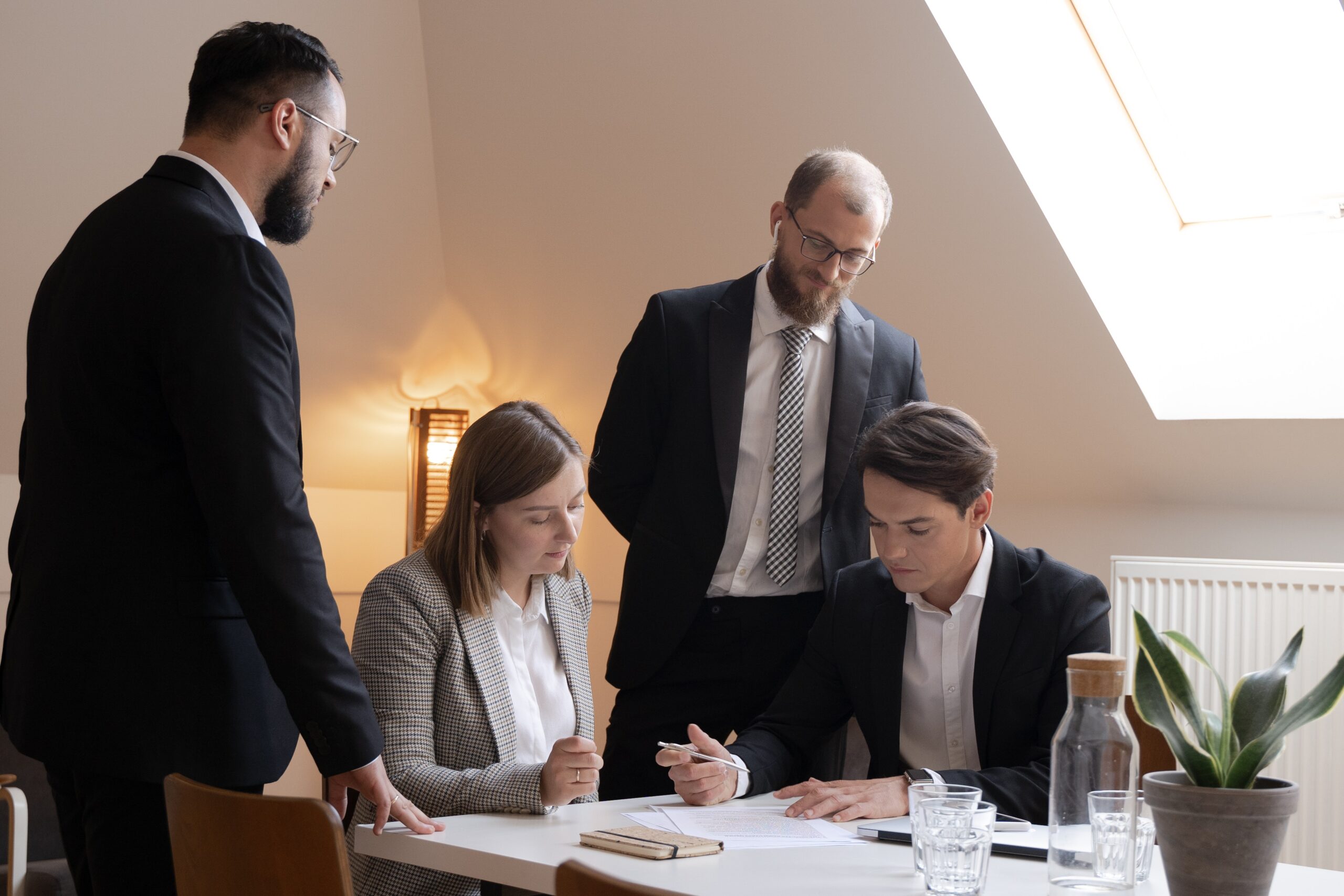
    Commercial Mediator – pexels-khwanchai-phanthong-4175023.jpg

    Commercial mediation can be an effective way to resolve disputes between businesses. It is a cost-effective and time-efficient way to settle disputes without having to go through the lengthy and costly court system. However, to ensure that your mediation session is successful, it is important to prepare adequately beforehand. Here are some tips on how to prepare for a commercial mediation session.

    Understand the Mediation Process

    Before you attend a mediation session, it is essential to understand how the process works. I as mediator, will act as a neutral third party to help the parties come to a mutually agreeable solution. The process will involve an opening session, private sessions with each party, and a closing session. Familiarize yourself with the process so you can understand what to expect and how to conduct yourself during the session.

    Know your Facts

    One of the most important things you can do to prepare for a mediation session is to gather all the necessary information and documents related to the dispute. Be prepared to present your case clearly and concisely to the mediator. This includes understanding the strengths and weaknesses of your position, as well as being able to identify potential solutions to the dispute.

    Define your Goals

    Before entering the mediation session, define your goals for the mediation. What do you hope to achieve from the session? Understanding your goals will help you to stay focused and on track during the mediation process. It will also help you to evaluate the success of the mediation session and determine if it was a good use of your time and resources.

    Consider Different Solutions

    As part of your preparation, consider different solutions to the dispute. This could include options for settlement, compromise, or other creative solutions that are mutually beneficial to both parties. Having a range of options to present during the mediation session can help to facilitate a quicker and more successful resolution.

    Choose a Skilled Mediator

    Finally, it is important to choose a skilled mediator, such as myself, who is experienced in commercial mediation. Look for a mediator who has a good reputation and who has successfully mediated disputes in the past. A skilled mediator can help guide the parties through the process, identify common interests, and help the parties reach a mutually agreeable solution. As such a mediator, please contact me to start the process of resolving your dispute.

    Preparing for a commercial mediation session is critical to achieving a successful outcome. By understanding the process, gathering the necessary information, defining your goals, considering different solutions, and choosing a skilled mediator, you can increase your chances of a successful mediation session. Mediation can be an effective way to resolve disputes and can help to maintain good business relationships between the parties involved.

    About the Author: Ken Strongman (www.kpstrongman.com) is a private commercial mediator/arbitrator of complex, high risk litigated cases since 2004. Disputes addressed include business, securities, construction defects, real estate, intellectual property, employment, environment, energy, and trusts & estates. He is also a Mediator and Arbitrator for FINRA and president of The Mediation Society.

    #ADR #mediators #mediation #conflict #lawsuit #construction #legal #litagation #alternativedisputeresolution #negociation #dispute #finra #themediationsociety

    © 2024 Ken Strongman. All Rights Reserved. Please do not copy or repost without permission.

  • The Vital Role of an Unbiased Mediator

    The Vital Role of an Unbiased Mediator

    Successful Commercial Mediation

    Picture this: You’re embroiled in a heated dispute, emotions running high, and resolutions seem out of reach. Enter the unbiased mediator – a beacon of clarity and resolution in a sea of conflict. But wait, doesn’t their opinion carry the weight of bias? Not quite. Let’s delve deeper into the pivotal role an unbiased source plays in navigating the tumultuous waters of mediation.

    If I, as mediator, give your opinion in a dispute, doesn’t that mean I’m biased? Absolutely not! Mediators form opinions on numerous issues for various reasons, serving as impartial guides in the quest for resolution. One of the primary functions of a mediator is to assist parties in evaluating the strengths and weaknesses of their positions, equipping them with the insights needed to make informed decisions. My opinion becomes instrumental in this process, drawing from a holistic understanding of information from both sides. While confidentiality constraints may limit disclosure, having an opinion from an unbiased source can be invaluable in guiding decision-making.

    As a mediator, fostering an environment conducive to open dialogue and informed decision-making is paramount. Rather than dictating outcomes, I facilitate discussions, encourage exploration of alternatives, and empower parties to craft mutually beneficial solutions. My role extends beyond mere neutrality; it embodies active engagement, empathy, and a commitment to fostering constructive dialogue. By leveraging my expertise and impartial perspective, I aim to catalyze meaningful progress towards resolution, ensuring that each party’s voice is heard and respected.

    In the realm of dispute resolution, transparency and trust are indispensable currencies. My commitment to maintaining confidentiality fosters an atmosphere of trust, enabling parties to freely express their concerns and aspirations. Rest assured, while my opinions may shape discussions, they are rooted in an unwavering dedication to fairness and impartiality. Every insight I offer is grounded in a comprehensive understanding of the intricacies surrounding the dispute, ensuring that all perspectives are duly considered.

    Ready to embark on the journey towards resolution? Whether you’re grappling with a contractual dispute, workplace conflict, or other discord, I invite you to take the first step towards resolution. Reach out today to schedule a consultation and discover how my expertise as a mediator can transform the trajectory of your dispute. Together, let’s navigate the complexities of conflict and forge a path towards equitable solutions. Your resolution awaits – seize it with confidence and clarity.

    About the Author: Ken Strongman (www.kpstrongman.com) is a private commercial mediator/arbitrator of complex, high risk litigated cases since 2004. Disputes addressed include business, securities, construction defects, real estate, intellectual property, employment, environment, energy, and trusts & estates. He is also a Mediator and Arbitrator for FINRA and president of The Mediation Society. https://www.themediationsociety.org/

    #ADR #mediators #mediation #conflict #lawsuit #construction #legal #litagation #alternativedisputeresolution #negociation #dispute #finra #themediationsociety

    © 2024 Ken Strongman. All Rights Reserved. Please do not copy or repost without permission.

  • Navigating Conflict: Unveiling the Power of Perceptions

    Navigating Conflict: Unveiling the Power of Perceptions

    Power of Perceptions

    In the tumultuous landscape of conflicts, one-word echoes louder than the rest: Perceptions. They weave through the fabric of every disagreement, dictating our understanding, reactions, and solutions. Just as a prism refracts light into a spectrum of colors, perceptions refract reality into a myriad of interpretations, guiding our paths through the maze of discord. Let’s delve deeper into the intricate role perceptions play in the complex dynamics of conflict.

    Perceptions form the cornerstone of any conflict, serving as the lens through which individuals view the world around them. As humans, we interpret reality through the unique filter of our own experiences, beliefs, and values. Whether it’s the severity of a problem, its underlying causes, or its potential consequences, perceptions shape our understanding at every turn. From the moment a conflict arises, perceptions assert their influence, coloring our interactions and shaping the trajectory of resolution.

    Consider the scenario: two parties embroiled in a heated debate over a contentious issue. Each holds steadfast to their perspective, convinced of the righteousness of their cause. Yet, beneath the surface lies a chasm of differing perceptions, fueled by personal biases, cultural backgrounds, and past experiences. What one perceives as a minor inconvenience, the other views as a grave injustice. In this clash of perceptions, the seeds of conflict find fertile ground to take root and flourish.

    Moreover, perceptions extend beyond individual viewpoints to encompass a broader spectrum of influences. Geographic locations, historical contexts, religious beliefs—each adds another layer to the intricate tapestry of perceptions that shape our understanding of the world. As we sit at the table of conflict resolution, these diverse perspectives converge, each vying for recognition and validation.

    In the realm of conflict resolution, the art of reframing emerges as a potent tool for navigating the maze of perceptions. By shifting the frame through which a problem is viewed, mediators can challenge entrenched perceptions, opening the door to new possibilities and avenues for resolution. Through thoughtful dialogue and empathetic understanding, they guide parties towards a shared reality—one where perceptions no longer divide, but unite in pursuit of common ground.

    As we reflect on the myriad conflicts that engulf our world, it becomes evident that perceptions wield immense power—power to divide or unite, to inflame passions or foster empathy. In embracing the diversity of perceptions that shape our experiences, we pave the way for meaningful dialogue and sustainable solutions.

    In conclusion, let us not underestimate the transformative potential of perceptions in the landscape of conflict. As we strive for resolution, let us heed the call to embrace empathy, understanding, and the willingness to challenge our own perceptions. Only then can we navigate the turbulent waters of conflict towards a horizon of peace and reconciliation.

    Call to Action: Are you embroiled in a conflict that seems insurmountable? Reach out to Ken Strongman, an experienced mediator, to guide you towards a resolution grounded in understanding and empathy. Your journey towards peace begins today.

    About the Author: Ken Strongman (www.kpstrongman.com) is a private commercial mediator/arbitrator of complex, high risk litigated cases since 2004. Disputes addressed include business, securities, construction defects, real estate, intellectual property, employment, environment, energy, and trusts & estates. He is also a Mediator and Arbitrator for FINRA and president of The Mediation Society.

    #ADR #mediators #mediation #conflict #lawsuit #construction #legal #litagation #alternativedisputeresolution #negociation #dispute #finra #themediationsociety

    © 2024 Ken Strongman. All Rights Reserved. Please do not copy or repost without permission.

  • Mediation: Navigating Post-Dispute Relationships

    Mediation: Navigating Post-Dispute Relationships

    Strategizing Beyond Mediation: Navigating Post-Dispute Relationships
    Strategizing Beyond Mediation: Navigating Post-Dispute Relationships

    Embarking on the journey of dispute resolution is akin to navigating uncharted waters. Yet, the true measure of success lies not solely in the resolution day but extends far beyond, into the realm of post-dispute relationships. In this dynamic process, one crucial question emerges: “How are you going to deal with them after the dispute?” This question underscores the intricate dance of negotiation and strategy required for enduring resolutions.

    The resolution of a dispute does not just occur on the day of the mediation. Each participant to mediation needs to prepare their own strategy for negotiation in the settlement. Based on my experience as a mediator, these are a collection of tasks each participant needs to complete and to discuss with their council and the mediator before the mediation. These tasks and the discussion with the mediator are confidential. They are confidential under both Attorney Client privilege and under mediation confidential provisions in court rules, statutes, and standards.

    How are you going to deal with them after the dispute?

    The easy answer to this question is that ‘I never want anything to do with them again.’ If the dispute is an automobile accident, then that might work as an answer. But if your opponents are commercial suppliers, customers, fellow businesses in a limited market, employees or employers, neighbors, and even family, the question becomes a lot more challenging.

    I have mediated boundary line and other disputes between neighbors. It becomes a lot more difficult to resolve when both neighbors realize that they will still be living next door to each other for possibly decades. I have also mediated disputes with family-owned businesses. They had to take into account the likelihood of having to sit down for Thanksgiving dinner with each other. There were also the unintended impacts on other family relationships that were not in dispute. Commercial enterprises need to evaluate the publicity of the dispute and the possible need for an ongoing business relationship now and in the future.

    Carefully list and count the costs regarding different solutions to the dispute. Might there be a better settlement that reduces future conflict? Also evaluate the costs of litigating the dispute to its conclusion on the future relationship to your opponents.

    Navigating the complexities of post-dispute relationships requires foresight, strategy, and skilled mediation. As you embark on this journey, consider engaging with me, a seasoned mediator, to guide you through these uncharted waters with precision and expertise. Take proactive steps today to ensure harmonious tomorrows – reach out to me and embark on the path to lasting resolutions.

    About the Author: Ken Strongman is a private commercial mediator/arbitrator of complex, high risk litigated cases since 2004. Disputes addressed include business, securities, construction defects, real estate, intellectual property, employment, environment, energy, and trusts & estates. He is also a Mediator and Arbitrator for FINRA and president of The Mediation Society. https://www.themediationsociety.org/

    #ADR #mediators #mediation #conflict #lawsuit #construction #legal #litagation #alternativedisputeresolution #negociation #dispute #finra #themediationsociety

    © 2024 Ken Strongman. All Rights Reserved. Please do not copy or repost without permission.
  • Empowering Mediation: Mediators are not Neutral

    Empowering Mediation: Mediators are not Neutral

    Mediators are not neutral
    Mediators are not Neutral

    In the dynamic world of mediation, the term “neutral” has long been a cornerstone descriptor, yet its connotations often fall short of capturing the true essence of a mediator’s role. As a pivotal figure in resolving conflicts, mediators grapple with the expectations of neutrality imposed by courts and clients alike. However, a closer examination reveals that the notion of being “neutral” can inadvertently undermine the proactive engagement and advocacy integral to effective mediation. Join me on a journey to unpack this paradigm, as we delve into the nuances of active advocacy within the realm of dispute resolution.

    “I’m tired of being called a Mediation Neutral.” In the realm of mediation, the label of being a “neutral” has become commonplace. Yet, this term fails to encapsulate the dynamic and proactive nature of a mediator’s role. While courts and clients may expect neutrality, the concept poses challenges, particularly in European contexts where linguistic nuances shed light on its limitations. For instance, in German, “neutral” translates to “null,” implying a lack of value or significance. This linguistic discrepancy underscores the need for a more robust descriptor that embodies the multifaceted responsibilities of a mediator.

    Enter the concept of being “parcel to everyone equally.” This phrase encapsulates a fundamental shift in perspective, emphasizing active advocacy and impartiality in equal measure. Rather than passively occupying a neutral stance, mediators actively advocate for fairness, equity, and just solutions. By acting in the best interests of all parties involved, mediators transcend the limitations of neutrality, striving to foster an environment conducive to constructive dialogue and resolution.

    Embracing this proactive approach entails advocating for a just solution to the dispute while remaining attentive to the interests of all parties. Far from being passive observers, mediators serve as catalysts for positive change, guiding parties towards mutually beneficial outcomes. This shift in mindset reframes the role of the mediator from a mere “null” to a dynamic force for equity and resolution.

    In essence, mediators are not mere bystanders but active participants in the quest for justice and reconciliation. By embodying the principles of active advocacy, mediators empower parties to navigate conflicts with integrity and empathy. Rather than relegating mediation to a passive exercise, embracing active advocacy imbues the process with purpose and efficacy.

    In conclusion, the evolution of mediation demands a paradigm shift towards active advocacy and engagement. As we navigate the complexities of conflict resolution, let us challenge the notion of neutrality and embrace a more proactive approach. I invite you to join me in this journey towards empowered mediation, where every voice is heard and every solution is just. For transformative mediation services that prioritize active advocacy and equitable outcomes, reach out to Ken Strongman today. Together, let us pave the way for a future of empowered resolution and lasting peace.

    About the Author: Ken Strongman (www.kpstrongman.com) is a private commercial mediator/arbitrator of complex, high risk litigated cases since 2004. Disputes addressed include business, securities, construction defects, real estate, intellectual property, employment, environment, energy, and trusts & estates. He is also a Mediator and Arbitrator for FINRA and president of The Mediation Society. https://www.themediationsociety.org/

    #ADR #mediators #mediation #conflict #lawsuit #construction #legal #litagation #alternativedisputeresolution #negociation #dispute #finra #themediationsociety

    © 2024 Ken Strongman. All Rights Reserved. Please do not copy or repost without permission.

  • Listening Is the Best Way to Resolve Conflicts

    Listening Is the Best Way to Resolve Conflicts

    In a world often mired in discord and disagreement, the art of active listening emerges as a beacon of hope, illuminating the path towards

    Listening Is the Best Way to Resolve Conflicts

    resolution and understanding. “Listening is the best way to resolve conflicts,” asserts Ken Strongman, a seasoned mediator.

    The better the information you have, the greater your chances of finding a workable solution. Listen carefully to what others are saying, not judging until you hear everyone’s story. Be aware of tone of voice, body language, and other clues. Understand what each person is expressing – what they want and what they are willing to do to get there. Then clarify that the solution lies with all parties.

    In the intricate dance of conflict resolution, active listening takes center stage, offering a conduit for genuine understanding and empathy to flow. Each word spoken, each nuance observed, serves as a vital piece in the puzzle of reconciliation. By heeding Ken Strongman’s advice to listen without prejudice, we open ourselves to a wealth of perspectives, paving the way for collaborative problem-solving and mutual respect to flourish.

    Listen carefully to what others are saying without judgment until you have everyone’s side of the story. Clarify what you have heard and then re-frame it back to each party. Remember the solution lays with both parties not you.

    As we embark on the journey towards resolution, it becomes evident that the path is not always smooth sailing. Yet, armed with the potent tool of active listening, we possess the means to navigate the turbulent waters of conflict with grace and efficacy.

    In the realm of conflict resolution, the power of active listening knows no bounds. As you embark on your own journey towards resolution, remember to heed the invaluable advice of Ken Strongman: listen with intent, speak with empathy, and embrace the path of collaboration. For those seeking guidance through the maze of conflict, reach out to Ken Strongman today, and take the first step towards a future defined by harmony and understanding.

    About the Author: Ken Strongman is a private commercial mediator/arbitrator of complex, high risk litigated cases since 2004. Disputes addressed include business, securities, construction defects, real estate, intellectual property, employment, environment, energy, and trusts & estates. He is also a Mediator and Arbitrator for FINRA and president of The Mediation Society. https://www.themediationsociety.org/

    #ADR #mediators #mediation #conflict #lawsuit #construction #legal #litagation #alternativedisputeresolution #negociation #dispute #finra #themediationsociety

    © 2024 Ken Strongman. All Rights Reserved. Please do not copy or repost without permission.

  • The Role of a Commercial Mediator

    The Role of a Commercial Mediator

    commercial mediator
    Commercial Mediator – pexels-khwanchai-phanthong-4175023.jpg

    In today’s business world, disputes and conflicts are a common occurrence. When parties in a commercial dispute cannot find a resolution on their own, they often turn to a commercial mediator for assistance such Ken Strongman. As a commercial mediator he is a neutral third party who facilitates communication and negotiation between the parties to help them reach a mutually acceptable agreement. This blog post will discuss the role of a commercial mediator and how they can benefit your business.

    The Role of a Commercial Mediator

    The role of a commercial mediator is to help parties in a dispute reach a resolution that is mutually acceptable. The mediator does not take sides or make decisions for the parties. Instead, they facilitate communication and negotiation between the parties to help them find common ground. A commercial mediator’s role is to listen to both parties’ concerns and guide them towards finding a solution that meets their needs.

    Benefits of Using a Commercial Mediator

    Using a commercial mediator has many benefits for businesses. Here are a few:

    Saves Time and Money

    Commercial mediation is typically less expensive and time-consuming than going to court. Mediation can be scheduled at a time that is convenient for all parties involved, and it is often resolved within a few sessions.

    Preserves Relationships

    Mediation can help preserve business relationships that might otherwise be destroyed by the dispute. Since mediation focuses on finding a mutually acceptable solution, it is often easier for parties to continue working together after the dispute is resolved.

    Confidentiality

     Mediation is a private process, and the parties can agree to keep the details of the dispute confidential. This can be particularly important for businesses that want to avoid negative publicity or damage to their reputation. Confidentiality is enforced by law.

    Control

    Parties in mediation have more control over the outcome than they would in court. In mediation, the parties have the power to craft a solution that meets their unique needs and interests.

    Conclusion

    Commercial mediation is a valuable tool for businesses that are involved in a dispute. My role as a commercial mediator is to help parties communicate and negotiate in a way that leads to a mutually acceptable solution. By using a commercial mediator, such as myself, businesses can save time and money, preserve relationships, maintain confidentiality, and retain control over the outcome. If your business is involved in a dispute, consider using a commercial mediator like Ken Strongman, to help you find a resolution.

    About the Author: Ken Strongman (www.kpstrongman.com) is a private commercial mediator/arbitrator of complex, high risk litigated cases since 2004. Disputes addressed include business, securities, construction defects, real estate, intellectual property, employment, environment, energy, and trusts & estates. He is also a Mediator and Arbitrator for FINRA and president of The Mediation Society.

    #ADR #mediators #mediation #conflict #lawsuit #construction #construction #legal #alternativedisputeresolution #negociation #dispute #finra #themediationsociety

    © 2024 Ken Strongman. All Rights Reserved. Please do not copy or repost without permission.