Tag: adr

  • Ingredients of conflict – Perceptions

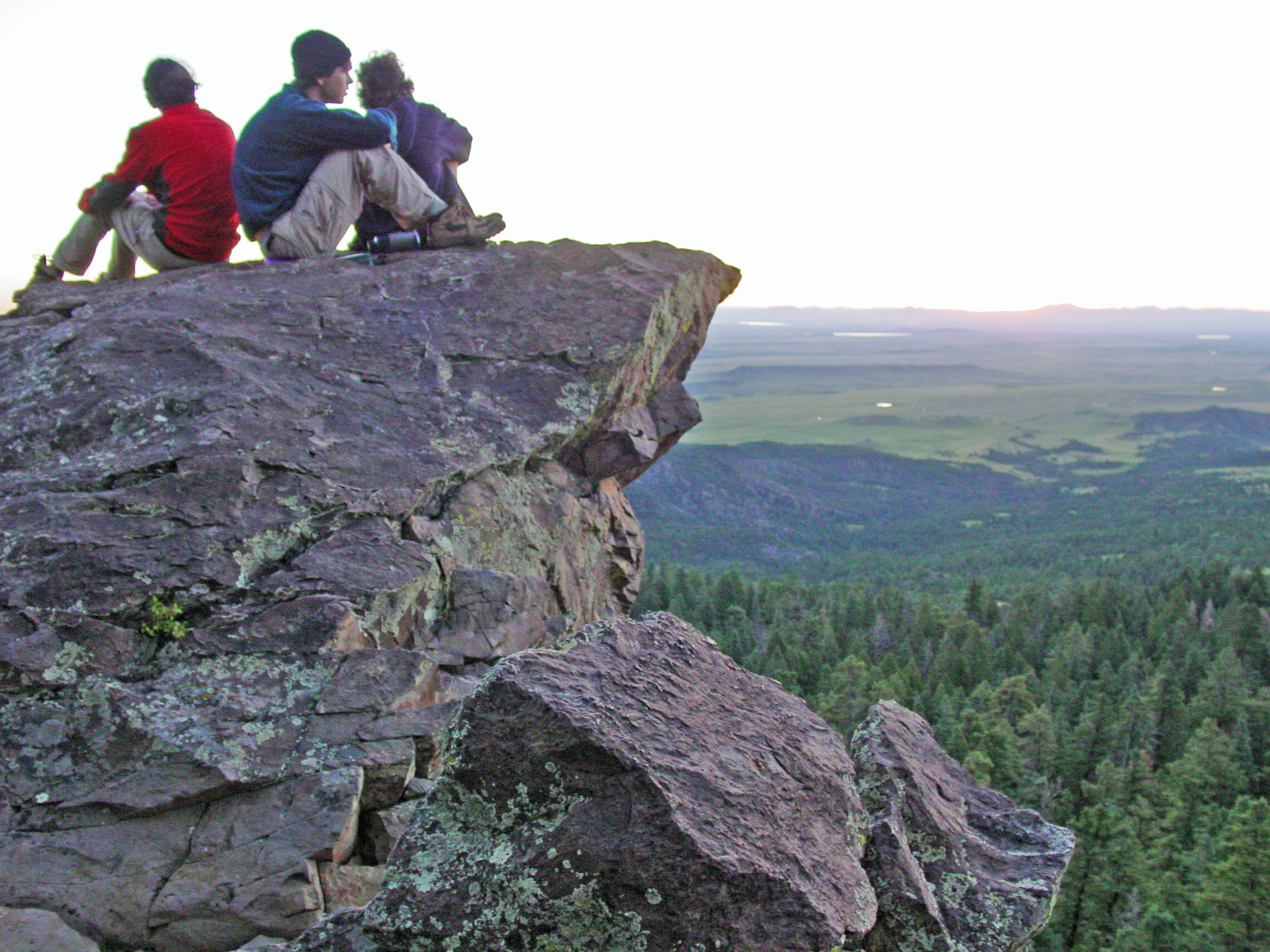
    Perceptions out the window of alcatraz.
    Perceptions are important

    The ingredients of any conflict – Perceptions

    Perceptions are part of any conflict. All conflicts have similar ingredients. They may vary in degree but most are present in some way. The main ingredients are Needs, Perceptions, Power, Values, and Feelings and Emotions. Today, I am focusing on perceptions.

    Perceptions – All humans interpret reality differently. They perceive differences in the severity, causes and consequences of problems. Misperceptions or differing perceptions may come from: self-perceptions, others’ perceptions, differing perceptions of situations and perceptions of threat. How something is framed will affect its perception. So in conflict resolution, reframing is an important task to get to a solution.

    Just by observing the news of the world, we can easily see that different people perceive a situation totally differently. The perceptions are influenced by different histories, geographic locations, religious values, etc. They are what we all bring to the table.

    **For the last decade I’ve been involved with leadership development of tomorrow’s leaders. Using my expertise, I am training the youth leaders in conflict resolution. This blog is adapted from my training materials.

    Ken StrongmanAbout the Author: Ken Strongman (www.kpstrongman.com) has years of experience and a growing national reputation as a mediator and arbitrator.  He has successfully resolved more than a thousand disputes in the fields of construction defects, real estate, intellectual property, and employment.  He is also a Mediator and Arbitrator for FINRA.

    © 2020 Ken Strongman. All Rights Reserved. Please do not copy or repost without permission.

  • Four characteristics a good mediator brings to the table.

    Santa Barbara Presido
    Characteristics of Good Mediators

    Four characteristics a good mediator brings to the table.

    This and many other topics will be revealed in: The “End Game” of Mediation and How to Succeed at It [A Comprehensive Road Map to the Mediation Process] on Tuesday, March 10, 4:30 pm – 8:30 pm @ the Contra Costa Bar Association.

    Speakers Ken Strongman, Esq. and Malcolm Sher, Esq. will lead a program for Advocates designed to create a highly positive mediation experience and outcome for themselves and their clients. These two successful mediators will discuss some of the best practices for negotiation and to prepare the client, advocate, mediator and opposition for the mediation journey.

    The Contra Costa County Bar Association certifies that this activity has been approved for 3 hours of General MCLE credit by the State Bar of California, Provider #393.

    To register for the event: Register Here

    NOW FOR THE ANSWER: Four characteristics a good mediator brings to the table.

    1. Able to quickly build trust and confidence
    2. Excellent inter-personal skills: Patience and a sense of humor
    3. Creativity in assisting parties and counsel in shaping a solution
    4. Reputation in the legal and mediation community to do every thing they can to encourage and assist in settlement

    For an experienced Mediator to help negotiate a resolution to your dispute contact Ken Strongman. Here.

    Ken Strongman, MediatorAbout the Author: Ken Strongman (www.kpstrongman.com) has years of experience and a growing national reputation as a mediator and arbitrator.  He has successfully resolved more than a thousand disputes in the fields of construction defects, real estate, intellectual property, and employment.  He is also a Mediator and Arbitrator for FINRA.

    © 2020 Ken Strongman. All Rights Reserved. Please do not copy or repost without permission.

  • Seven advantages of a joint mediation session

    joint mediation sessions are a flowing process

    Seven advantages of a joint mediation session

    The 7 advantages of a joint mediation session and many other topics will be revealed in: The “End Game” of Mediation and How to Succeed at It [A Comprehensive Road Map to the Mediation Process] on Tuesday, March 10, 4:30 pm – 8:30 pm @ the Contra Costa Bar Association.

    Speakers Ken Strongman, Esq. and Malcolm Sher, Esq. will lead a program for Advocates designed to create a highly positive mediation experience and outcome for themselves and their clients. These two successful mediators will discuss some of the best practices for negotiation and to prepare the client, advocate, mediator and opposition for the mediation journey.

    The Contra Costa County Bar Association certifies that this activity has been approved for 3 hours of General MCLE credit by the State Bar of California, Provider #393.

    To register for the event: Register Here

    NOW FOR THE ANSWER: Seven advantages of a joint mediation session:

    1. To see and hear the other side
    2. To look at pictures and other evidence, both sides at once
    3. It gives each side an opportunity to size up the other
    4. Talk with each other as oppose to using agents
    5. To evaluate the style of each attorney
    6. To evaluate the preparedness of each side
    7. To see the body language of each attorney and party (everyone)

    Ken Strongman, MediatorAbout the Author: Ken Strongman (www.kpstrongman.com) has years of experience and a growing national reputation as a mediator and arbitrator.  He has successfully resolved more than a thousand disputes in the fields of construction defects, real estate, intellectual property, and employment.  He is also a Mediator and Arbitrator for FINRA.

    © 2020 Ken Strongman. All Rights Reserved. Please do not copy or repost without permission.

  • Seven reasons to avoid a joint mediation session

    Devil's Postpile National Monument - Rainbow Falls
    Joint sessions

    Seven reasons to avoid a joint mediation session

    This and many other topics will be revealed in: The “End Game” of Mediation and How to Succeed at It [A Comprehensive Road Map to the Mediation Process] on Tuesday, March 10, 4:30 pm – 8:30 pm @ the Contra Costa Bar Association.

    Speakers Ken Strongman, Esq. and Malcolm Sher, Esq. will lead a program for Advocates designed to create a highly positive mediation experience and outcome for themselves and their clients. These two successful mediators will discuss some of the best practices for negotiation and to prepare the client, advocate, mediator and opposition for the mediation journey.

    The Contra Costa County Bar Association certifies that this activity has been approved for 3 hours of General MCLE credit by the State Bar of California, Provider #393.

    To register for the event: Register Here

    NOW FOR THE ANSWER: Seven reasons to avoid a joint mediation session

    Stated another way: the advantages of a private session with the mediator

    1. It is an opportunity to explain the case to a neutral person
    2. The attorney and party get to evaluate their own case
    3. The ability to use the mediator as a sounding board and coach
    4. To be able to talk openly
    5. Discuss solutions
    6. Identify components of solutions from your stand point
    7. Emote and vent in private about the case and the other side (person)

    Ken StrongmanAbout the Author: Ken Strongman (www.kpstrongman.com) has years of experience and a growing national reputation as a mediator and arbitrator.  He has successfully resolved more than a thousand disputes in the fields of construction defects, real estate, intellectual property, and employment.  He is also a Mediator and Arbitrator for FINRA.

    © 2020 Ken Strongman. All Rights Reserved. Please do not copy or repost without permission.
  • Eight ways to prepare the other side for the negotiation or mediation

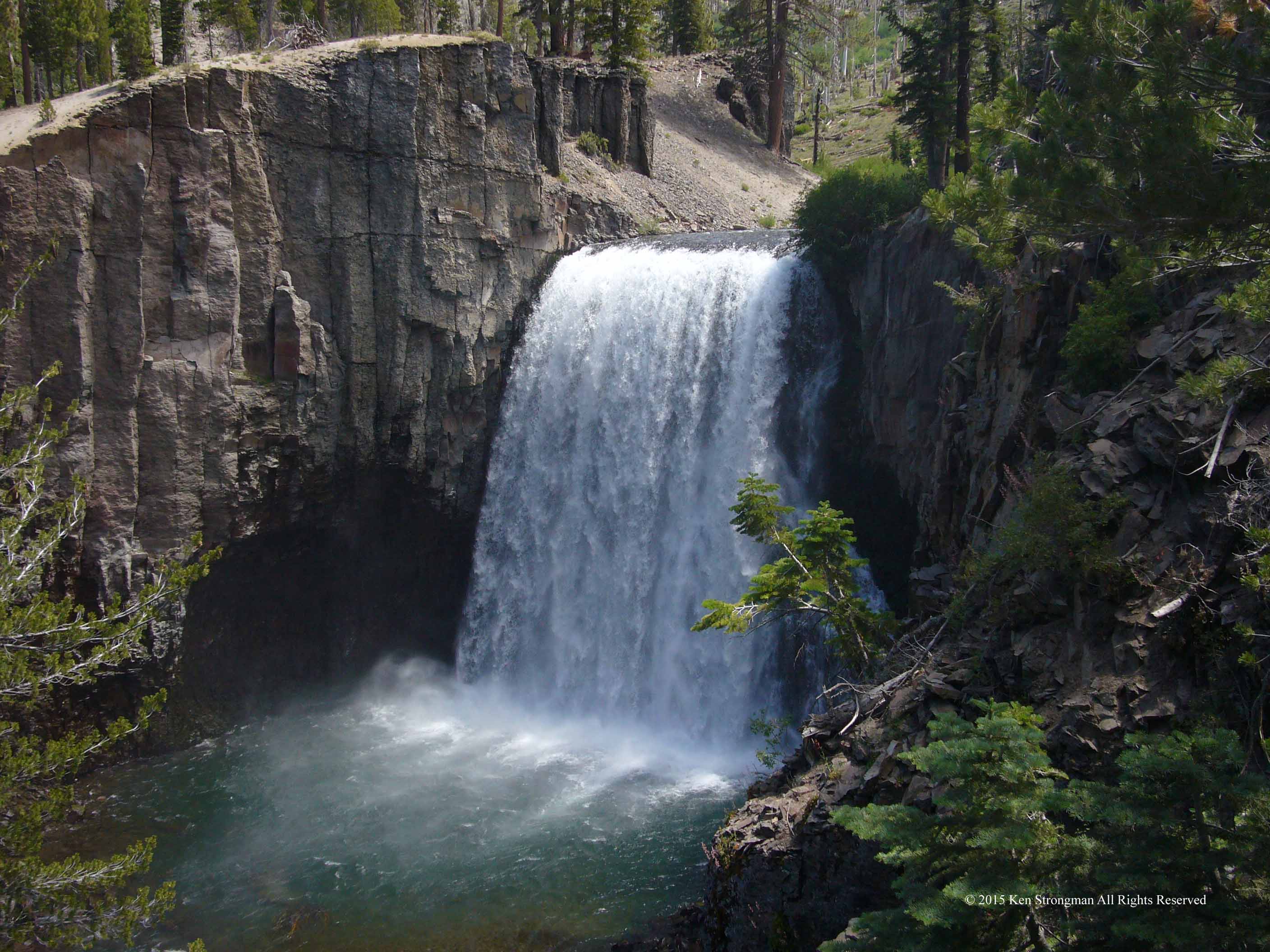
    Yosemite Falls - prepare
    Prepare for Mediation

    Eight ways to prepare the other side for the negotiation or mediation

    Prepare for mediation and many other topics will be revealed in: The “End Game” of Mediation and How to Succeed at It [A Comprehensive Road Map to the Mediation Process] on Tuesday, March 10, 4:30 pm – 8:30 pm @ the Contra Costa Bar Association.

    Speakers Ken Strongman, Esq. and Malcolm Sher, Esq. will lead a program for Advocates designed to create a highly positive mediation experience and outcome for themselves and their clients. These two successful mediators will discuss some of the best practices for negotiation and to prepare the client, advocate, mediator and opposition for the mediation journey.

    The Contra Costa County Bar Association certifies that this activity has been approved for 3 hours of General MCLE credit by the State Bar of California, Provider #393.

    To register for the event: Register Here

    NOW FOR THE ANSWER:

    How to prepare the other side for the negotiation or mediation
    • Don’t burn bridges! Be polite and collaborative. Seek a “win-win” solution.
    • Recognize that they are key players, have egos and have to justify any settlement.
    • If plaintiff counsel, make it easy for them to give you what you want. Don’t hide the ball. If defense counsel, strategize the negotiations in advance, including contents of briefs.
    • Provide all decision-makers with enough information well before the mediation session. Tell them what you want and why you want it.
    • Have necessary corporate resolutions, powers of attorney and other written authority.
    • Construct a day in the life of the client
    • Reconstruction of accident or event
    • Send copies of the mediation brief and other information with the request that it is sent to the adjustor and/or other stakeholders.

    Ken_Strongman_003smAbout the Author: Ken Strongman (www.kpstrongman.com) has years of experience and a growing national reputation as a mediator and arbitrator.  He has successfully resolved more than a thousand disputes in the fields of construction defects, real estate, intellectual property, and employment.  He is also a Mediator and Arbitrator for FINRA.

    © 2020 Ken Strongman. All Rights Reserved. Please do not copy or repost without permission.
  • 8 Reasons Why Money is not the only solution

    Money is not always the soluntion to the dispute
    Money is not always the solution

    Eight reasons why money is not always the only solution to the dispute

    Money and why it isn’t the answer and many other topics will be revealed in: The “End Game” of Mediation and How to Succeed at It [A Comprehensive Road Map to the Mediation Process] on Tuesday, March 10, 4:30 pm – 8:30 pm @ the Contra Costa Bar Association.

    Speakers Ken Strongman, Esq. and Malcolm Sher, Esq. will lead a program for Advocates designed to create a highly positive mediation experience and outcome for themselves and their clients. These two successful mediators will discuss some of the best practices for negotiation and to prepare the client, advocate, mediator and opposition for the mediation journey.

    The Contra Costa County Bar Association certifies that this activity has been approved for 3 hours of General MCLE credit by the State Bar of California, Provider #393.

    To register for the event: Register Here

    NOW FOR THE ANSWER:

    Eight reasons why money is not always the only solution to the dispute:
    1. There is always the possibility of a Global settlement
    2. Non-monetary concessions
    3. Letter of recommendation are helpful in some cases particulary employment and landlord tenant.
    4. There are always tax and accounting issues. Different classifications will change the dynamic.
    5. Payment plans
    6. Structured Settlements
    7. Bartering. They have something you could use instead of cash.
    8. Confidentiality of the agreement and dispute

    Ken Strongman, MediatorAbout the Author: Ken Strongman (www.kpstrongman.com) has years of experience and a growing national reputation as a mediator and arbitrator.  He has successfully resolved more than a thousand disputes in the fields of construction defects, real estate, intellectual property, and employment.  He is also a Mediator and Arbitrator for FINRA.

    © 2020 Ken Strongman. All Rights Reserved. Please do not copy or repost without permission.

  • 3 Strategies for the Money Dance

    021_ken_Strongman_money dance
    The Money Dance

    Three strategies for the money dance

    Three strategies for the money dance in a negotiation or mediation and many other topics will be revealed in: The “End Game” of Mediation and How to Succeed at It [A Comprehensive Road Map to the Mediation Process] on Tuesday, March 10, 4:30 pm – 8:30 pm @ the Contra Costa Bar Association.

    Speakers Ken Strongman, Esq. and Malcolm Sher, Esq. will lead a program for Advocates designed to create a highly positive mediation experience and outcome for themselves and their clients. These two successful mediators will discuss some of the best practices for negotiation and to prepare the client, advocate, mediator and opposition for the mediation journey.

    The Contra Costa County Bar Association certifies that this activity has been approved for 3 hours of General MCLE credit by the State Bar of California, Provider #393.

    To register for the event: Register Here

    NOW FOR THE ANSWER TO:

    Three strategies for the money dance in a negotiation or mediation.

    Always come to the negotiation or mediation with three reference points:
    1. Reservation – bottom line or walk away price is the point at which it is determined that you are better off litigating than settling. It would be better to express the reservation point not only as a monetary amount but as a package that involves quantifiable and other elements.
    2. Target Point should represent the optimistic goal for a settlement outcome. It should be a package of monetary and other elements and should be between the reservation point and opening offer.
    3. Opening Offer is the number with which your side will begin the bargaining process. It should be more optimistic than your target point because of the give and take of negotiations.

    Ken Strongman, MediatorAbout the Author: Ken Strongman (www.kpstrongman.com) has years of experience and a growing national reputation as a mediator and arbitrator.  He has successfully resolved more than a thousand disputes in the fields of construction defects, real estate, intellectual property, and employment.  He is also a Mediator and Arbitrator for FINRA.

    © 2020 Ken Strongman. All Rights Reserved. Please do not copy or repost without permission.

  • Don’t make the opening bid

    Why you shouldn’t make the opening bid in negotiation or mediation

    Why you shouldn’t make the opening bid in negotiation or mediation and many other topics will be revealed in: The “End Game” of Mediation and How to Succeed at It [A Comprehensive Road Map to the Mediation Process] on Tuesday, March 10, 4:30 pm – 8:30 pm @ the Contra Costa Bar Association.

    Speakers Ken Strongman, Esq. and Malcolm Sher, Esq. will lead a program for Advocates designed to create a highly positive mediation experience and outcome for themselves and their clients. These two successful mediators will discuss some of the best practices for negotiation and to prepare the client, advocate, mediator and opposition for the mediation journey.

    The Contra Costa County Bar Association certifies that this activity has been approved for 3 hours of General MCLE credit by the State Bar of California, Provider #393.

    024_ken_Strongman_twitter bid
    Opening Bid

    To register for the event: Register Here

    NOW FOR THE ANSWER TO: Why you shouldn’t make the opening bid in negotiation or mediation.

    You may undervalue your case because of missing information.

    The other side may have undervalued its own case. You may underestimate what the other side is willing to pay or accept.

    About the Author: Ken Strongman (www.kpstrongman.com) has years of experience and a growing national reputation as a mediator and arbitrator.  He has successfully resolved more than a thousand disputes in the fields of construction defects, real estate, intellectual property, and employment.  He is also a Mediator and Arbitrator for FINRA.

    © 2020 Ken Strongman. All Rights Reserved. Please do not copy or repost without permission.
  • Needs: an ingredient of any conflict

    Alcatraz Camping Trip needs
    Ingredients of any conflict – Needs

    Needs are ingredients of any conflict. All conflicts have similar ingredients. They may vary in degree but most are present in some way. The main ingredients are needs, perceptions, power, values, and feelings and emotions. Today, I am focusing on needs.

    Needs – Needs are physical requirements essential to our well-being. Conflicts arise when we ignore others’ needs, our own needs or the group’s needs. It is important to not confuse needs with desires. Desires are the things we would like to have but are not essential to our survival.

    By the time it is necessary to resolve a conflict; usually the needs are lost or hidden by the other ingredients of the conflict. Therefore it is important to spend time ascertaining those needs.

    For an experienced Mediator to help negotiate a resolution to your dispute contact Ken Strongman. Here.

    Ken StrongmanAbout the Author: Ken Strongman, is a private commercial mediator/arbitrator of complex, high risk litigated cases since 2004. Disputes addressed include business, securities, construction defects, real estate, intellectual property, employment, environment, energy, and trusts & estates. He is also a Mediator and Arbitrator for FINRA.

    © 2021 Ken Strongman. All Rights Reserved. Please do not copy or repost without permission.

    **For the last decade I’ve been involved with leadership development of tomorrow’s leaders. Using my expertise, I am training the youth leaders in conflict resolution. This blog is adapted from my training materials.

  • Critical Questions to answer in resolving conflicts.

    Philmont Scout Ranch Critical Questions
    Critical Questions

    Here are the most critical questions to ask each participant in any conflict situation:

    1. “What do you want?”
    2. “What are you doing to get it?”
    3. “Is it working?”
    4. “Do you want to figure out another way?”

    The first question one focuses people’s attention on what their real needs are and helps you see more clearly other people’s points of view. The subsequent questions put responsibility on other people to be a party in examining where they are and then in finding pathways to reach where they want to be.

    The next two questions are vital.  They are questions that empower people.  Make sure you give people the time and encouragement to figure out the answers.  They need to understand themselves.  Too often we skip these questions. We ask, “What do you want?” and then jump immediately to a variation of question four, telling someone what we think they should do.

    Question four gives them a way to invite you to help them explore other approaches to a problem. It encourages a cooperative effort—working together to help everyone get what they want.

    Remember, you can’t control another person, but you can persuade. You can join forces with them in a mutual search for a solution.

    **For the last decade I’ve been involved with leadership development of tomorrow’s leaders.  Using my expertise, I am training the youth leaders in conflict resolution.  This blog is adapted from my training materials. 


    Ken StrongmanAbout the Author: Ken Strongman (www.kpstrongman.com) has years of experience and a growing national reputation as a mediator and arbitrator.  He has successfully resolved more than a thousand disputes in the fields of construction defects, real estate, intellectual property, and employment.  He is also a Mediator and Arbitrator for FINRA.

    © 2020 Ken Strongman. All Rights Reserved. Please do not copy or repost without permission.