Category: Mediation

What is Mediation and how to effectively use it to resolve disputes.

  • Ingredients of conflict – Perceptions

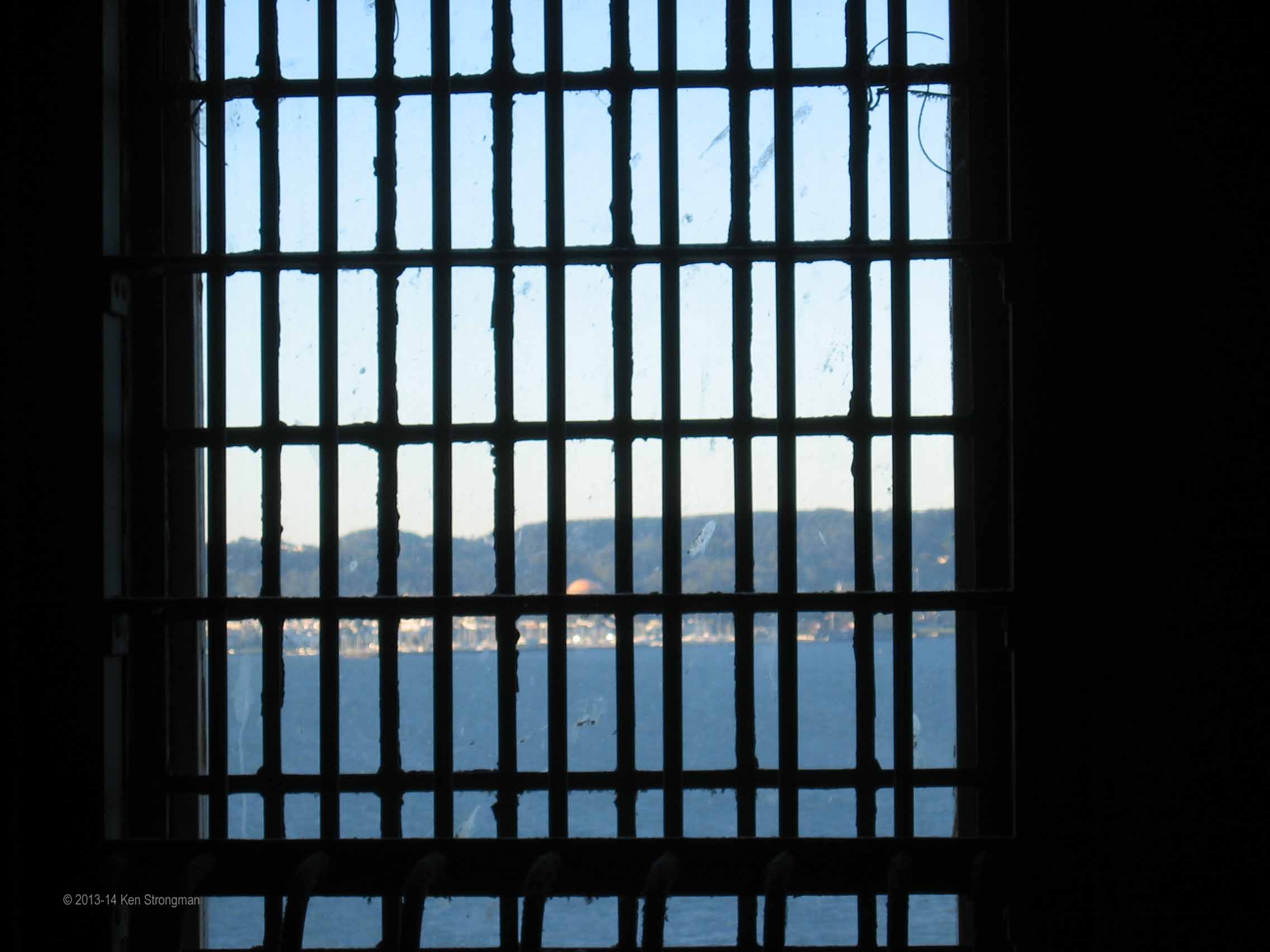
    Perceptions out the window of alcatraz.
    Perceptions are important

    The ingredients of any conflict – Perceptions

    Perceptions are part of any conflict. All conflicts have similar ingredients. They may vary in degree but most are present in some way. The main ingredients are Needs, Perceptions, Power, Values, and Feelings and Emotions. Today, I am focusing on perceptions.

    Perceptions – All humans interpret reality differently. They perceive differences in the severity, causes and consequences of problems. Misperceptions or differing perceptions may come from: self-perceptions, others’ perceptions, differing perceptions of situations and perceptions of threat. How something is framed will affect its perception. So in conflict resolution, reframing is an important task to get to a solution.

    Just by observing the news of the world, we can easily see that different people perceive a situation totally differently. The perceptions are influenced by different histories, geographic locations, religious values, etc. They are what we all bring to the table.

    For an experienced Mediator to help negotiate a resolution to your dispute contact Ken Strongman. Here.

    Ken StrongmanAbout the Author: Ken Strongman, is a private commercial mediator/arbitrator of complex, high risk litigated cases since 2004. Disputes addressed include business, securities, construction defects, real estate, intellectual property, employment, environment, energy, and trusts & estates. He is also a Mediator and Arbitrator for FINRA.

    © 2021 Ken Strongman. All Rights Reserved. Please do not copy or re-post without permission.

    **For the last decade I’ve been involved with leadership development of tomorrow’s leaders. Using my expertise, I am training the youth leaders in conflict resolution. This blog is adapted from my training materials.


  • Mediators Playing the Devil’s Advocate

    Devil's Advocate
    Devil’s Advocate

    Mediators Playing the Devil ’s Advocate

    Devil’s Advocate is one of the roles of a mediator. A good mediator such as myself, does not forfeit his personal opinions simply because he serves as a neutral facilitator. These opinions and preconceptions can help inform certain beliefs. However, a strong mediator knows how to view a case from multiple angles. This is an important quality to possess as it helps provide a counter point to a party or attorney’s one-sided approach.

    A Strong Mediator

    A strong mediator gives consideration to the strengths and weaknesses of both sides. When in a private caucus with one side, the mediator may mention a potential weakness in this side’s argument. He may even ask the party what his or her argument would be if he or she was on the other side. He or she may get the attorney to contemplate the same scenario and ask for facts and legal theories that would support the other side.
    By recognizing the strengths of the other side and the weaknesses of their own side, parties can start to contemplate the potential of what would happen if they lose. This can often inspire them to fully participate in negotiations so that they can avoid the possibility of losing the case or facing other adverse effects.

    Sounding Board

    Mediator is a “sounding board” for your arguments, and for offers/counter offers. I can deal with the hypotheticals and be a “coach”, to deliver bad news and explain opponents’ responses to offers. I, as a strong mediator give you an opportunity to explain the case to a neutral person help you and your attorney evaluate your case. Finally, a good mediator helps identify components of solutions from your stand point and delivers bad news to both sides.

    For an experienced Mediator to help negotiate a resolution to your dispute contact Ken Strongman. Here.

    Ken StrongmanAbout the Author: Ken Strongman, is a private commercial mediator/arbitrator of complex, high risk litigated cases since 2004. Disputes addressed include business, securities, construction defects, real estate, intellectual property, employment, environment, energy, and trusts & estates. He is also a Mediator and Arbitrator for FINRA.

    © 2021 Ken Strongman. All Rights Reserved. Please do not copy or repost without permission.

  • Needs: an ingredient of any conflict

    Alcatraz Camping Trip needs
    Ingredients of any conflict – Needs

    Needs are ingredients of any conflict. All conflicts have similar ingredients. They may vary in degree but most are present in some way. The main ingredients are needs, perceptions, power, values, and feelings and emotions. Today, I am focusing on needs.

    Needs – Needs are physical requirements essential to our well-being. Conflicts arise when we ignore others’ needs, our own needs or the group’s needs. It is important to not confuse needs with desires. Desires are the things we would like to have but are not essential to our survival.

    By the time it is necessary to resolve a conflict; usually the needs are lost or hidden by the other ingredients of the conflict. Therefore it is important to spend time ascertaining those needs.

    For an experienced Mediator to help negotiate a resolution to your dispute contact Ken Strongman. Here.

    Ken StrongmanAbout the Author: Ken Strongman, is a private commercial mediator/arbitrator of complex, high risk litigated cases since 2004. Disputes addressed include business, securities, construction defects, real estate, intellectual property, employment, environment, energy, and trusts & estates. He is also a Mediator and Arbitrator for FINRA.

    © 2021 Ken Strongman. All Rights Reserved. Please do not copy or repost without permission.

    **For the last decade I’ve been involved with leadership development of tomorrow’s leaders. Using my expertise, I am training the youth leaders in conflict resolution. This blog is adapted from my training materials.

  • Resolving conflicts through negotiation

    Negotiation

    Resolving conflicts through negotiation.

    Resolving Conflict through negotiation is a part of life. Negotiation is how conflicts are resolved. Hopefully, they can be resolved peacefully and to the satisfaction of both parties to the conflict. Leaders’ skill set must include negotiation. Therefore, some of these blog postings will deal with ways a leader can help resolve conflicts.

    I hope to provide useful information on:

    • Know and articulate several ways that good leadership can minimize conflict.
    • Understand how the acronym E.A.R. can be used as a tool for resolving conflicts (Express, Address, Resolve).
    • Use several communications skills important for resolving conflicts
    • Know negotiating skills to resolve conflicts for the benefit of all parties to the conflict.

    All conflict resolution involves negotiation. Let’s look at the definition and characteristics of negotiation.

    What is Negotiation

    Negotiation is a voluntary, non-binding bargaining process, in which the parties to a dispute attempt resolution among themselves.  Often, agents of the disputing parties (their lawyers, real estate agents, accountants, and so forth), who are in actual communication with each other, are the negotiators.  The actual disputing persons sometimes do not meet or participate in direct discussions until most, or all, of the dispute has been resolved.

    Characteristics of Negotiation

    The chief characteristics of negotiation are:

    • Mutual Consent. Negotiation is voluntary.  The parties cannot be compelled to negotiate or even negotiate in good faith.  Negotiations cease when one party declines to continue.
    • Successful Result is Enforceable. A negotiated settlement, usually memorialized in a written agreement, is as valid and enforceable as any common law contract.
    • The parties and/or their agents are in personal contact with each other.  A third party neutral is involved in negotiations.
    • No statute or case law governs the process of negotiation.  Some prefer to negotiate in person.  Others use letters, e-mail, or telephone calls.  Still others negotiate through agents or intermediaries.
    • Negotiation is a process, taking place over time, as opposed to a single meeting or a brief exchange of correspondence.
    • Negotiators share facts and arguments often in a disorganized manner.  Negotiators posture and obfuscate, misstate the law, rail and threat and bluff, implore and cajole, and mix fact with fiction, exaggeration, and lies, during a series of back-and-forth communications.
    • Negotiations are usually conducted in private.  Publicity is anathema to a frank exchange of opinions, offers, and demands negotiations.

    For an experienced Mediator to help negotiate a resolution to your dispute contact Ken Strongman. Here.

    Ken StrongmanAbout the Author: Ken Strongman (www.kpstrongman.com) has years of experience and a growing national reputation as a mediator and arbitrator.  He has successfully resolved more than a thousand disputes in the fields of construction defects, real estate, intellectual property, and employment.  He is also a Mediator and Arbitrator for FINRA.

    © 2021 Ken Strongman. All Rights Reserved. Please do not copy or repost without permission.

  • Seven reasons to avoid a joint mediation session

    Devil's Postpile National Monument - Rainbow Falls
    Joint sessions

    Seven reasons to avoid a joint mediation session

    This and many other topics will be revealed in: The “End Game” of Mediation and How to Succeed at It [A Comprehensive Road Map to the Mediation Process] on Tuesday, March 10, 4:30 pm – 8:30 pm @ the Contra Costa Bar Association.

    Speakers Ken Strongman, Esq. and Malcolm Sher, Esq. will lead a program for Advocates designed to create a highly positive mediation experience and outcome for themselves and their clients. These two successful mediators will discuss some of the best practices for negotiation and to prepare the client, advocate, mediator and opposition for the mediation journey.

    The Contra Costa County Bar Association certifies that this activity has been approved for 3 hours of General MCLE credit by the State Bar of California, Provider #393.

    To register for the event: Register Here

    NOW FOR THE ANSWER: Seven reasons to avoid a joint mediation session

    Stated another way: the advantages of a private session with the mediator

    1. It is an opportunity to explain the case to a neutral person
    2. The attorney and party get to evaluate their own case
    3. The ability to use the mediator as a sounding board and coach
    4. To be able to talk openly
    5. Discuss solutions
    6. Identify components of solutions from your stand point
    7. Emote and vent in private about the case and the other side (person)

    Ken StrongmanAbout the Author: Ken Strongman (www.kpstrongman.com) has years of experience and a growing national reputation as a mediator and arbitrator.  He has successfully resolved more than a thousand disputes in the fields of construction defects, real estate, intellectual property, and employment.  He is also a Mediator and Arbitrator for FINRA.

    © 2020 Ken Strongman. All Rights Reserved. Please do not copy or repost without permission.

  • Resolving conflicts through negotiation

    negociationResolving conflicts through negotiation.

    Resolving Conflict is a part of life. Negotiation is how conflicts are resolved. Hopefully, they can be resolved peacefully and to the satisfaction of both parties to the conflict. It is also part of any leaders skill set. Therefore, some of these blog postings will deal with ways a leader can help resolve conflicts.

    I hope to provide useful information on:

    • Know and articulate several ways that good leadership can minimize conflict.
    • Understand how the acronym E.A.R. can be used as a tool for resolving conflicts (Express, Address, Resolve).
    • Use several communications skills important for resolving conflicts
    • Know negotiating skills to resolve conflicts for the benefit of all parties to the conflict.

    All conflict resolution involves negotiation. Therefore as a starting point, let’s look at the definition and characteristics of negotiation.

    What is Negotiation

    Negotiation is a voluntary, non-binding bargaining process, in which the parties to a dispute attempt resolution among themselves.  Often, agents of the disputing parties (their lawyers, real estate agents, accountants, and so forth), who are in actual communication with each other, are the negotiators.  The actual disputing persons sometimes do not meet or participate in direct discussions until most, or all, of the dispute has been resolved.

    Characteristics of Negotiation

    The chief characteristics of negotiation are:

    • Mutual Consent. Negotiation is voluntary.  The parties cannot be compelled to negotiate or even negotiate in good faith.  Negotiations cease when one party declines to continue.
    • Successful Result is Enforceable. A negotiated settlement, usually memorialized in a written agreement, is as valid and enforceable as any common law contract.
    • The parties and/or their agents are in personal contact with each other.  A third party neutral is involved in negotiations.
    • No statute or case law governs the process of negotiation.  Some prefer to negotiate in person.  Others use letters, e-mail, or telephone calls.  Still others negotiate through agents or intermediaries.
    • Negotiation is a process, taking place over time, as opposed to a single meeting or a brief exchange of correspondence.
    • Negotiators share facts and arguments often in a disorganized manner.  Negotiators posture and obfuscate, misstate the law, rail and threat and bluff, implore and cajole, and mix fact with fiction, exaggeration, and lies, during a series of back-and-forth communications.
    • Negotiations are usually conducted in private.  Publicity is anathema to a frank exchange of opinions, offers, and demands negotiations.

    For an experienced Mediator to help negotiate a resolution to your dispute contact Ken Strongman. Here.

    Ken StrongmanAbout the Author: Ken Strongman (www.kpstrongman.com) has years of experience and a growing national reputation as a mediator and arbitrator.  He has successfully resolved more than a thousand disputes in the fields of construction defects, real estate, intellectual property, and employment.  He is also a Mediator and Arbitrator for FINRA.

    © 2021 Ken Strongman. All Rights Reserved. Please do not copy or repost without permission.

  • A handy tool for resolving conflicts.

    conflict tool
    Tool for resolving conflicts

    A very handy tool for approaching any conflict situation that needs to be resolved is E.A.R. 

    Ask the people involved to:

    Express – What you want and what are you doing to get it.

    Address – Why it is working or not working.

    Resolve – What ways there are to solve the situation.

    **For the last decade I’ve been involved with leadership development of tomorrow’s leaders.  Using my expertise, I am training the youth leaders in conflict resolution.  This blog is adapted from my training materials. 

     

    Ken StrongmanAbout the Author: Ken Strongman (www.kpstrongman.com) has years of experience and a growing national reputation as a mediator and arbitrator.  He has successfully resolved more than a thousand disputes in the fields of construction defects, real estate, intellectual property, and employment.  He is also a Mediator and Arbitrator for FINRA.

    © 2020 Ken Strongman. All Rights Reserved. Please do not copy or repost without permission.

  • Mediators Playing the Devil’s Advocate

    Devil's Advocate
    Devil’s Advocate

    Mediators Playing the Devil ’s Advocate

    Devil’s Advocate is one of the roles of a mediator. A good mediator such as myself, does not forfeit his personal opinions simply because he serves as a neutral facilitator. These opinions and preconceptions can help inform certain beliefs. However, a strong mediator knows how to view a case from multiple angles. This is an important quality to possess as it helps provide a counter point to a party or attorney’s one-sided approach.

    A Strong Mediator

    A strong mediator gives consideration to the strengths and weaknesses of both sides. When in a private caucus with one side, the mediator may mention a potential weakness in this side’s argument. He may even ask the party what his or her argument would be if he or she was on the other side. He or she may get the attorney to contemplate the same scenario and ask for facts and legal theories that would support the other side.
    By recognizing the strengths of the other side and the weaknesses of their own side, parties can start to contemplate the potential of what would happen if they lose. This can often inspire them to fully participate in negotiations so that they can avoid the possibility of losing the case or facing other adverse effects.

    Sounding Board

    Mediator is a “sounding board” for your arguments, and for offers/counter offers. I can deal with the hypotheticals and be a “coach”, to deliver bad news and explain opponents’ responses to offers. I, as a strong mediator give you an opportunity to explain the case to a neutral person help you and your attorney evaluate your case. Finally, a good mediator helps identify components of solutions from your stand point and delivers bad news to both sides.

    For an experienced Mediator to help negotiate a resolution to your dispute contact Ken Strongman. Here.

    Ken StrongmanAbout the Author: Ken Strongman, is a private commercial mediator/arbitrator of complex, high risk litigated cases since 2004. Disputes addressed include business, securities, construction defects, real estate, intellectual property, employment, environment, energy, and trusts & estates. He is also a Mediator and Arbitrator for FINRA.

    © 2021 Ken Strongman. All Rights Reserved. Please do not copy or repost without permission.

  • FAQ: Are Retired Judges Better Mediators?

    Stinson Beach, Dip Sea Trail, CP XC Team

    FAQ: Are Retired Judges Better Mediators?

    It is assumed that a retired judge makes a better mediator than someone that has not been a judge.  This couldn’t be further from the truth. 

    Rendering judgment requires an entirely different skill set than helping the parties resolve their case through mediation.  The day to day activities of a judge do not lend themselves to facilitating the resolution of conflicts.  The basic skill that is useful to a judge but not a mediator is the ability to make quick and final decisions on any particular issue. Therefore when they approach mediation they want to make the decision and not let the parties control their own solution to the problem.

    It is assumed that 20-years on the bench translates to 20-years experience working with civil attorneys and parties and the issues of civil litigation.  In most courts today, very few judges are presiding over civil trials.  Most of their days as spent presiding over criminal trials.  Even the remaining time of their tenure on the bench is divided between family law, juvenile, probate, and traffic.

    The law practice of most judges before being appointed to the bench is not as a civil attorney.  Many were deputy district attorneys or public defenders before becoming judges.  Therefore they have no experience with any civil issues before becoming judges.

    Mediation is a voluntary process that centers on discussions and decision-making, rather than judgment by a judge or retired judge. It is focused on resolving disputes based on the factual circumstances, the needs of the parties and practicality, and not solely on the legal rights of the parties. Often, the mere presence of a retired judge creates an antagonistic and adversarial atmosphere that impedes resolution rather than assisting it.

     In reality you want a mediator such as me that is trained in helping the parties resolve their problems.

    Ken Strongman, MediatorAbout the Author: Ken Strongman (www.kpstrongman.com) has years of experience and a growing national reputation as a mediator and arbitrator.  He has successfully resolved more than a thousand disputes in the fields of construction defects, real estate, intellectual property, and employment.  He is also a Mediator and Arbitrator for FINRA.

    © 2020 Ken Strongman. All Rights Reserved. Please do not copy or repost without permission.

  • Listening is the best way to resolve conflicts.

    listening
    Listening to resolve conflicts

    The better the information you have, the greater your chances of finding a workable solution.  Listen carefully to what others are saying, not judging until you hear everyone’s story.  Be aware of tone of voice, body language, and other clues.  Understand what each person is expressing – what he wants and what he is willing to do to get there.  Then clarify that the solution lies with all parties. 

    Listen carefully to what others are saying without judgment until you have everyone’s side of the story.  Clarify what you have heard and then reframe it back to each party.  Remember the solution lays with both parties not you.

    **For the last decade I’ve been involved with leadership development of tomorrow’s leaders.  Using my expertise, I am training the youth leaders in conflict resolution.  This blog is adapted from my training materials. 

     

    Ken StrongmanAbout the Author: Ken Strongman (www.kpstrongman.com) has years of experience and a growing national reputation as a mediator and arbitrator.  He has successfully resolved more than a thousand disputes in the fields of construction defects, real estate, intellectual property, and employment.  He is also a Mediator and Arbitrator for FINRA.

    © 2020 Ken Strongman. All Rights Reserved. Please do not copy or repost without permission.