Blog

  • Ambient Intimacy & Legal Professionals

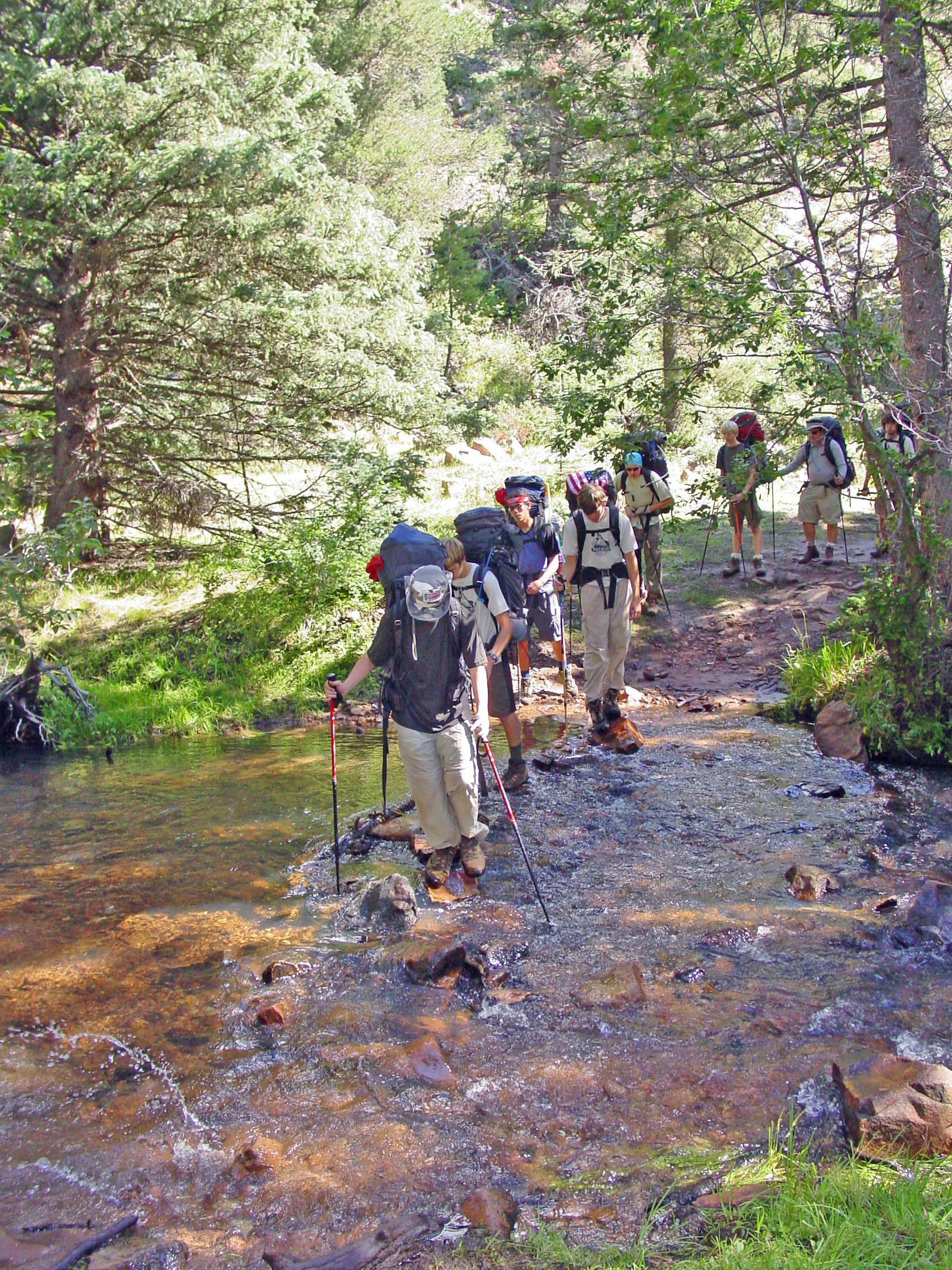
    Philmont: Phillips Junction Ambient Intimacy
    Ambient Intimacy

    Ambient intimacy or ambient awareness is more than social media noise.

    Ambient awareness on Twitter is only one aspect of Social Media that Legal Professionals need to master. My Project Social Media presents my thoughts regarding the impact of social media marketing on the practice of law. See my page to for more information.

    Therefore let’s continue the topic of what ways a Legal Professional can use Twitter.

    Ambient Intimacy

    Ambient intimacy or ambient awareness is more than social media noise. It is the ability to keep in touch with people that you can’t otherwise because of time and space. It is saying “good morning” as you are walking down the hallway. You stay familiar with them by becoming away of the mundane issues of life.
    Who wants this level of detail? Isn’t this all just annoying noise? There is great value in this ongoing noise. It helps us get to know people who would otherwise be just acquaintances that we would otherwise loose track. It makes us feel closer to people we care for but in whose lives we’re not able to participate as closely as we’d like.
    Knowing details creates intimacy. It also saves a lot of time when you finally do get to meet face to face with these people in real life. It’s not so much about meaning, it’s just about being in touch.
    Mikhail Bakhtin called it “the phatic function.” It is like saying “Good Morning” as you pass someone in the hall when you have no intention of finding out anything else. The phatic function is communication simply to indicate that communication can occur. It’s not so important what gets said as that it’s nice to stay in contact with people.
    These light exchanges typify the kind of communication that arises among people who are saturated with other forms of communication. Another way to look at it is in child development. Out of sight out of mind: if the drops out of the baby, the baby forgets about it. By continuing to communicate in short bursts, those around us know we still exist: “Hi. I’m here and still practicing law”.
    Next time, I will discuss more ways Twitter can be used by legal professionals.

    **Why the picture of flowing water?  Twitter is a constant flow of information and communications. 

     

    Ken StrongmanAbout the Author: Ken Strongman (www.kpstrongman.com) has years of experience and a growing national reputation as a mediator and arbitrator.  He has successfully resolved more than a thousand disputes in the fields of construction defects, real estate, intellectual property, and employment.  He is also a Mediator and Arbitrator for FINRA.

    © 2020 Ken Strongman. All Rights Reserved. Please do not copy or repost without permission.

  • How to persuade others using rhetorical questions?

    Ken Strongman xc03 rhetorical
    persuade using rhetorical questions

    How to persuade others using rhetorical questions? Persuasion is the process of changing minds. Persuasion is an everyday part of human discourse. It is used by salesmen, parents, teachers, and many others – basically all of us. Persuasion in mediation is a two-way street. Long before you try to influence another to moderate their demands or consider the other side’s point of view, chances are good that they will have tried to convince you to their position.

    It’s my experience in order to be an effective mediator, I must engage in various forms of persuasion. I do not engage in coercive or manipulative persuasion practices by which pressure brought to bear on reluctant participants to get a settlement. I do use a range of potential mediator interventions to help the parties resolve deeply held or competitively bargained differences. *

    Rhetorical Questions

    Rhetorical Questions are questions that strongly suggest the answer. I almost never use this form of persuasion in mediation. If I do it at all, it is towards the end of the day.

    How they work

    Rhetorical Questions are a form of direct persuasion. As a Mediator, I become an “agent of reality” in order to sow doubt and attitude change.

    Effectiveness

    Not effective because it increases the perception of pressure resulting in the mediator loosing the trust of the parties. Thinking therefore stops. That is why I very seldom use rhetorical questions.

    Why they don’t work

    It increases the impression of pressure from the questioner. Questions are seen as less knowledgeable than previously in the mediation. The parties question the mediator’s knowledge base. It makes me appear that I don’t know what is going on, which is not true. It does reduce message acceptance. Furthermore, it interferes with message elaboration and self-persuasion.

    *Stark, James H. and Frenkel, Douglas N., Changing Minds: The Work of Mediators and Empirical Studies of Persuasion (2013). Ohio State Journal on Dispute Resolution, Vol. 28, No. 2, Pg. 263, 2013; U of Penn Law School, Public Law Research Paper No. 11-07

    **Why the picture of Cross Country runners?  It takes a lot of pursuasion to get them to the finish line. 

    Ken Strongman, Mediator About the Author: Ken Strongman (www.kpstrongman.com) has years of experience and a growing national reputation as a mediator and arbitrator.  He has successfully resolved more than a thousand disputes in the fields of construction defects, real estate, intellectual property, and employment.  He is also a Mediator and Arbitrator for FINRA.

    © 2020 Ken Strongman. All Rights Reserved. Please do not copy or repost without permission.

  • Walnut Creek at 100 years

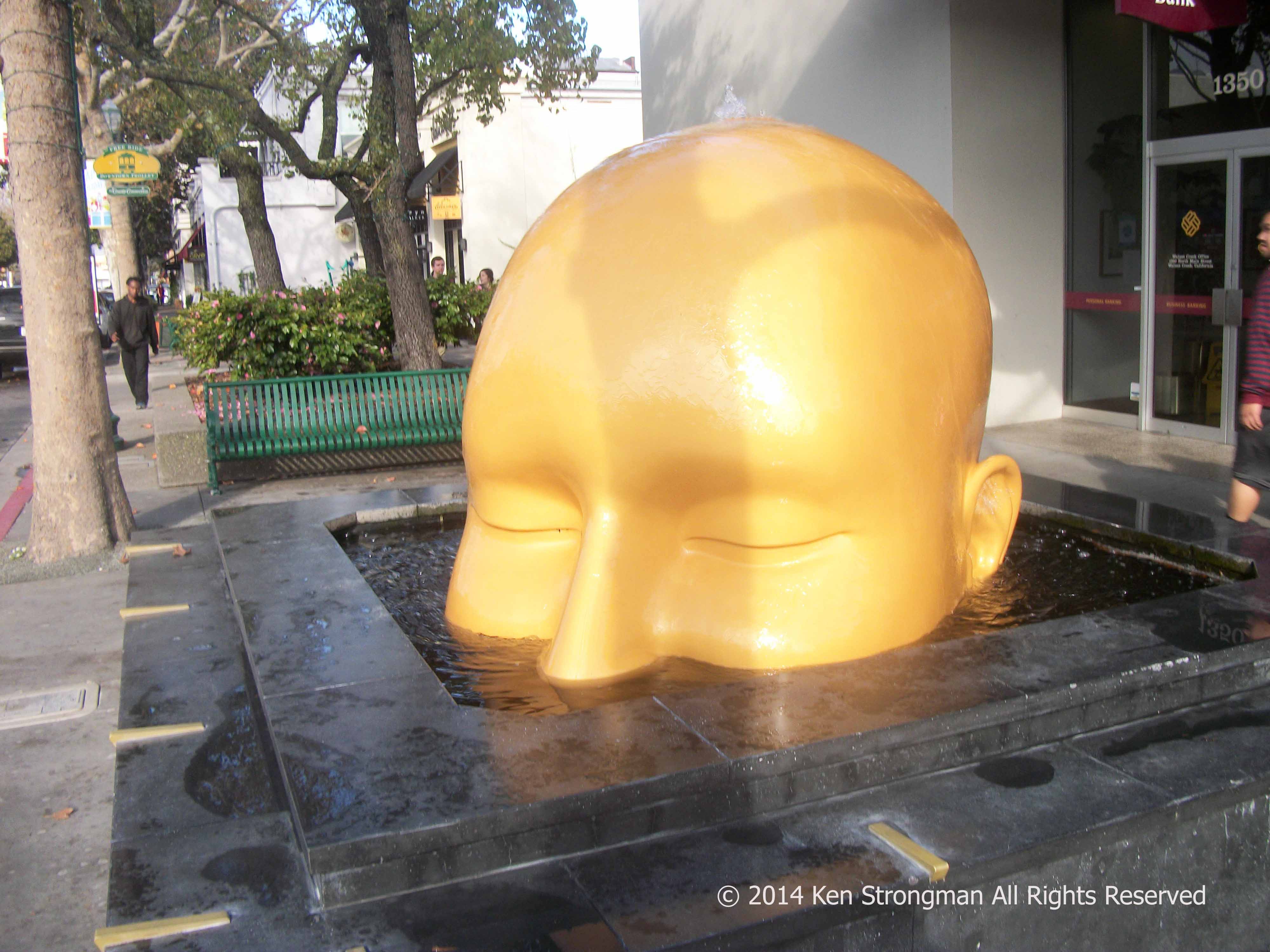
    Fountain Head in Walnut Creek
    Fountain Head in 100 year old Walnut Creek

    2014 was an eventful year for my family. But I don’t want to focus on that but to reflect on the events of the wider world and the relative small town I live in – Walnut Creek.

    One hundred years ago Walnut Creek citizens voted to incorporate the city. This year was the celebration of that election. For the last 100 years the city council has met to govern the affairs of the community. It has not always been smooth. There were plenty of arguments. Many were very long meetings. There may have been a fight or two that wasn’t recorded in the official records. There was even a move to reverse the incorporation. Despite the good, bad and not so pretty, the town government still functions.

    While Walnut Creek has been bumping along with democracy more or less successfully for the last one hundred years the rest of the world is just learning what democracy is and is not. There are some places where democracy has been practice for much longer than Walnut Creek, but for most of the world it is a totally a new thing.

    Looking at a map of the world in 1914 you will find that the world had little experience with democracy.

    The Middle East was all part of the Ottoman Empire. None of the countries that now dominate the news existed. They were not even provinces of the Ottoman Empire. They would be created by the winners of World War I.

    Likewise the Russian Empire had not fallen to bold vision of communism. It was ruled by an absolute monarchy. Therefore Ukraine, Central Asia and the Caucasus were all subject to the will of the Tsar.

    Not stopping with the Russian Empire, the Austria-Hungry Empire also fell at the end of World War I. With its fall all of the Balkan countries were created. We often think that Europe has been there for thousands of years. It has but not in its current form. Many new countries appeared at the end of the War to End All Wars. Their first experience with democracy occurred in the 1920’s. I haven’t even gotten to post colonial Africa and Asia. Democracy is a new concept there as well for the most part.

    We shouldn’t be surprised when there are some bumps or major challenges on the road to a robust democracy through out the world. I for one want to congratulate the people of Walnut Creek for persevering and wish them the best in the next 100 years.

    Have a very Happy New Year in 2015.

    Ken StrongmanAbout the Author: Ken Strongman (www.kpstrongman.com) has years of experience and a growing national reputation as a mediator and arbitrator.  He has successfully resolved more than a thousand disputes in the fields of construction defects, real estate, intellectual property, and employment.  He is also a Mediator and Arbitrator for FINRA.

    © 2020 Ken Strongman. All Rights Reserved. Please do not copy or repost without permission.
  • Christmas Safari

    Ken Strongman Xmas 2014
    Family Safari

    A Christmas Safari is one of the few family traditions of the Christmas season I have consistently enjoyed. We really seldom go out into the wilds, it is usually the wild and crazy places in the City, though last year we came close.

    It is a tradition from my youth. On a Saturday in December my family would travel into San Francisco for the day. We would shop but most likely never buy much of anything. My mother was proud of the fact that her Christmas shopping was done before Thanksgiving.

    One of my earliest memories is of riding the Ferris wheel on top of the San Francisco Emporium. It was an adventure parking the car in a multi story garage, and then entering a massive store. It often took a while to find the escalators. As we rode each one up to the next floor they be came narrower and narrower. They also became much older based on their design. You could tell because the threads of the escalator became wider and made of wood. Finally at the top floor, we had to work around the Christmas stuff to find the door leading to the stairs to the roof. On the roof was a complete Santa’s Village with many different carnival rides. The Ferris wheel was at the edge of the building. It was impressive in that when you rotated to the top you could look down the side of the almost 10 story building. The building has long since been converted to the Westfield Mall and the Emporium no longer exists.

    Next we would journey to see the City of Paris Christmas tree. Each year there was a new real tree installed in the rotunda of the department store. The decorations were different every year. There we spent time on each floor of the department store looking out on the rotunda checking out the tree. On the site of the City of Paris now sits Neiman Marcus. It is a new building, but because of historical preservation the rotunda remains. There is still a Christmas tree there each year, but it is now artificial with mostly the same decorations each and every year.

    Leaving the City of Paris, the next annual pilgrimage was to Podesta Baldocchi Flowers. Normally, they were florists during the year. They were often used in Hollywood films as a traditional San Francisco location. The shop was featured in Alfred Hitchcock’s 1958 film Vertigo. At Christmas, they turned their shop into a Christmas tree wonderland. Each tree was decorated with different beautiful and expensive ornaments. All were for sell. It was a wonder to behold.

    Then it was time for food. We had one tradition for many years of having cheese blitzes at David’s Delicatessen. We never ventured into Chinatown or North Beach. Those were adventures for different seasons.

    We also never did the Nutcracker. I could never figure out what that had to do with Christmas. Of course, both I and my brother are guys. I still can’t. I have three sons.

    We still make the effort though most of the old adventures are gone. There are now new ones to take their place. Now the trip is by BART. Sometimes we take the ferry. We never take the car anymore. It is still fun.

    Merry Christmas.

    Ken StrongmanAbout the Author: Ken Strongman (www.kpstrongman.com) has years of experience and a growing national reputation as a mediator and arbitrator.  He has successfully resolved more than a thousand disputes in the fields of construction defects, real estate, intellectual property, and employment.  He is also a Mediator and Arbitrator for FINRA.

    © 2020 Ken Strongman. All Rights Reserved. Please do not copy or repost without permission.

  • How to persuade others by using multiple explanation analysis.

    Ken Strongman xc02 multiple explanation analysis
    multiple explanation analysis

    How to persuade others by using multiple explanation analysis. Persuasion is the process of changing minds. Persuasion is an everyday part of human discourse. It is used by salesmen, parents, teachers, and many others – basically all of us. Persuasion in mediation is a two-way street. Long before you try to influence another to moderate their demands or consider the other side’s point of view, chances are good that they will have tried to convince you to their position.

    It’s my experience in order to be an effective mediator, I must engage in various forms of persuasion. I do not engage in coercive or manipulative persuasion practices by which pressure brought to bear on reluctant participants to get a settlement. I do use a range of potential mediator interventions to help the parties resolve deeply held or competitively bargained differences. *

    Multiple explanation analysis or Why I could lose

    How it works
    This is a form of self persuasion. The party explores alternative theories the justices could apply to the case to change the outcome. Basically, the question is how they might lose the argument.

    When working with people to resolve their conflict in mediation, I keep asking simple questions on how they intend to prove their case. I start in the beginning, asking what the true cause of the conflict is and how that will be viewed by a jury. Many times we are offended by some thing only to find out that it is very hard to prove and may in fact not be illegal.

    Why it works
    By examining every aspect of a case it overcomes single explanation bias. There might be many explanations for what happened and why it happened. In many disputes that I have resolved, they would never have become a major conflict, if someone had just picked up the phone and asked, “What do you mean by this.”

    *Stark, James H. and Frenkel, Douglas N., Changing Minds: The Work of Mediators and Empirical Studies of Persuasion (2013). Ohio State Journal on Dispute Resolution, Vol. 28, No. 2, Pg. 263, 2013; U of Penn Law School, Public Law Research Paper No. 11-07

    **Why the picture of Cross Country runners?  It takes a lot of pursuasion to get them to the finish line. 

    Ken Strongman, Mediator About the Author: Ken Strongman (www.kpstrongman.com) has years of experience and a growing national reputation as a mediator and arbitrator.  He has successfully resolved more than a thousand disputes in the fields of construction defects, real estate, intellectual property, and employment.  He is also a Mediator and Arbitrator for FINRA.

    © 2020 Ken Strongman. All Rights Reserved. Please do not copy or repost without permission.

  • Resolving the Turkey Conflict

    Turkey Conflict
    The Turkey Conflict

    This is the time of the year for the turkey conflict. Thanksgiving is the day we Americans set aside to give thanks. It is most likely the only day when everyone makes an effort to enjoy a meal with their family. The day can be painful for anyone that does not have immediate family around or because of past family conflicts, being around is not practical.

    For some reason, it is assumed that the meal will be turkey in some form or another. This is not the turkeys that wandered the woods near Pilgrims’ settlement. It is not even the turkeys that are infesting my neighborhood. One has taken up residence at the gas station that I frequent. While everyone is pumping gas, it is admiring itself in the reflections of the cars and trucks. No the turkeys we insist on eating are bred to be the high point of this one meal a year. That they are bred reduces them to the lowest common denominator of blandness.

    Long ago, I developed a total dislike of this type of turkey. If I was to be psychoanalyzed, a connection to the corresponding family discord might be discovered. But being thankful that I am an American, I exercise my God given choice not to eat turkey without being psychoanalyzed.

    My dislike started out in my youth. Only turkey was served for both Thanksgiving and Christmas dinners. Those dinners were rotated between my aunts in San Francisco and our house. There was intense competition between my mother and my aunts to find the most economical bird. In other words, they would look for the cheapest per pound bird and would go to great lengths to secure it. At one point the record was 29 cents per pound. Even in olden times that was extremely cheap. The taste matched the price – cheap.

    One year, my mother, after considerable nagging by the family, invested in a Butterball turkey. That is the kind with the little read button that pops out when it is perfectly done. As was her habit, she put it in the oven before dawn. After the requisite number of hours, the little red button popped out right on queue. Unfortunately, the family was not due to arrive until 1 p.m. and it had reached perfection far faster that previous cheaper birds. Therefore she left it in the oven until noon. There is the dinner scene in National Lampoon’s Christmas Vacation where everyone watches the dead bird shrivel and is still force to eat it – I’ve lived that.

    After marriage, the “discussion” as to having or not having turkey resolved itself. My wonderful wife one year decided to have a big turkey feast with all of the fixings. She purchased a quality frozen 25 plus pound turkey. While readying it for defrosting, it fell out of its perch in the freeze and aimed for her big toe. The ‘pope’s nose’, followed by the other 24 pounds, hit its target with dead accuracy. We spend the entire evening in the emergency room. The toe was broken. Unable to barely stand let alone cook, the job of cooking the dead bird fell to me. Convinced, that was the last time we served Meleagris gallopavo aka dead bird.

    I am thankful for a multitude of blessings. One is the privilege not to eat turkey if you don’t want to eat it. May you be thankful for all of your blessings this season and may you avoid the turkey conflict.


    · 

    Ken StrongmanAbout the Author: Ken Strongman (www.kpstrongman.com) has years of experience and a growing national reputation as a mediator and arbitrator.  He has successfully resolved more than a thousand disputes in the fields of construction defects, real estate, intellectual property, and employment.  He is also a Mediator and Arbitrator for FINRA.

    © 2020 Ken Strongman. All Rights Reserved. Please do not copy or repost without permission.

  • How to persuade others with counter attitudinal advocacy.

    CPHS XC: CIF counter attitudinal advocacy.
    counter attitudinal advocacy.

    How to persuade others with counter attitudinal advocacy. Persuasion is the process of changing minds. Persuasion is an everyday part of human discourse. It is used by salesmen, parents, teachers, and many others – basically all of us. Persuasion in mediation is a two-way street. Long before you try to influence another to moderate their demands or consider the other side’s point of view, chances are good that they will have tried to convince you to their position.

    It’s my experience in order to be an effective mediator, I must engage in various forms of persuasion. I do not engage in coercive or manipulative persuasion practices by which pressure brought to bear on reluctant participants to get a settlement. I do use a range of potential mediator interventions to help the parties resolve deeply held or competitively bargained differences. *

    Counter attitudinal Advocacy

    This is a fancy term to essentially have one side give the arguments of their opposition, thereby inducing the parties to consider the other perspectives. It is a powerful way to change minds. By making the argument for the other side, they must articulate the other side’s perspective. It creates cognitive dissidence cracking open the thinking process.

    How it works

    It is a form of self –persuasion. In mediation, I often start out in a private meeting with one side and ask them to tell me what the other side wants to accomplish. Simply put: why are they here? It forces them to set aside their own needs and desires and attempt to look at the problem from the others perspective. Can there be an innocent interpretation of their actions and perspectives? I have the same conversation with the other side when we meet. Together both start to see the problem from different perspectives.

    Effectiveness

    It works to create a change in attitude. With deeply held beliefs, changes are slow and incremental. By focusing on a different point of view, attitudes do change. I use this process extensively in mediations where there in an on going relationship such as construction and technology industries.

    Why it works

    When we regard the others persuasive arguments as our “own” we reduce our psychological resistance. Technically, it overcomes single explanation bias. Many times I’ve seen the light bulb go on and real progress is made towards resolving the conflict.

    For an experienced Mediator to help negotiate a resolution to your dispute contact Ken Strongman. Here.

    *Stark, James H. and Frenkel, Douglas N., Changing Minds: The Work of Mediators and Empirical Studies of Persuasion (2013). Ohio State Journal on Dispute Resolution, Vol. 28, No. 2, Pg. 263, 2013; U of Penn Law School, Public Law Research Paper No. 11-07

    **Why the picture of Cross Country runners?  It takes a lot of persuasion to get them to the finish line. 

     Ken StrongmanAbout the Author: Ken Strongman (www.kpstrongman.com) has years of experience and a growing national reputation as a mediator and arbitrator.  He has successfully resolved more than a thousand disputes in the fields of construction defects, real estate, intellectual property, and employment.  He is also a Mediator and Arbitrator for FINRA.

    © 2020 Ken Strongman. All Rights Reserved. Please do not copy or repost without permission.

  • Critical Questions to answer in resolving conflicts.

    Philmont Scout Ranch Critical Questions
    Critical Questions

    Here are the most critical questions to ask each participant in any conflict situation:

    1. “What do you want?”
    2. “What are you doing to get it?”
    3. “Is it working?”
    4. “Do you want to figure out another way?”

    The first question one focuses people’s attention on what their real needs are and helps you see more clearly other people’s points of view. The subsequent questions put responsibility on other people to be a party in examining where they are and then in finding pathways to reach where they want to be.

    The next two questions are vital.  They are questions that empower people.  Make sure you give people the time and encouragement to figure out the answers.  They need to understand themselves.  Too often we skip these questions. We ask, “What do you want?” and then jump immediately to a variation of question four, telling someone what we think they should do.

    Question four gives them a way to invite you to help them explore other approaches to a problem. It encourages a cooperative effort—working together to help everyone get what they want.

    Remember, you can’t control another person, but you can persuade. You can join forces with them in a mutual search for a solution.

    **For the last decade I’ve been involved with leadership development of tomorrow’s leaders.  Using my expertise, I am training the youth leaders in conflict resolution.  This blog is adapted from my training materials. 


    Ken StrongmanAbout the Author: Ken Strongman (www.kpstrongman.com) has years of experience and a growing national reputation as a mediator and arbitrator.  He has successfully resolved more than a thousand disputes in the fields of construction defects, real estate, intellectual property, and employment.  He is also a Mediator and Arbitrator for FINRA.

    © 2020 Ken Strongman. All Rights Reserved. Please do not copy or repost without permission.
  • Creative thoughts on Conflict Resolution.

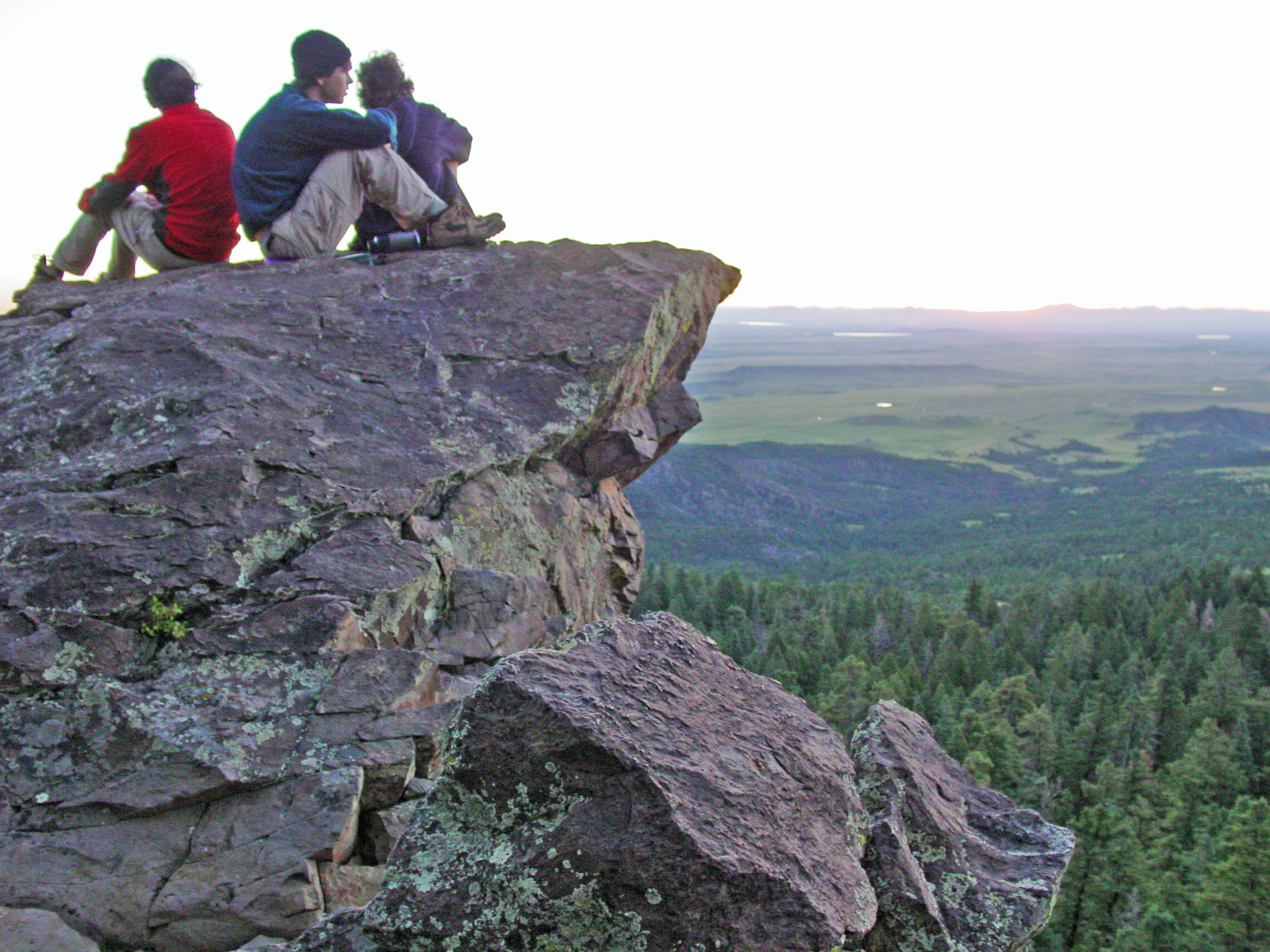
    Creative Thoughts
    Creative thoughts on Conflict Resolution

    Here are Creative thoughts on conflict resolution.

    As is all leadership, conflict happens.  It needs to be resolved but if not resolved in the right way, the conflict will create other problems.

    Accept the fact that conflict is going to happen. Decide to take positive steps to manage it. When it occurs, discuss the conflict openly with the group.

    Deal with one issue at a time. There may be more than one issue involved in the conflict at one time. Someone in the group needs to provide leadership to identify the issues involved. Then only one issue at a time can be addressed so the problem is manageable.

    If there is another problem from the past blocking current communication, list it as one of the issues in this conflict. It may have to be dealt with before the current conflict can be resolved.

    Choose the right time for resolution. Individuals have to be willing to address the conflict. We are likely to resist if we feel we are being forced into negotiations.

    Avoid reacting to unintentional remarks. Words like “always” and “never” may be said in the heat of battle and do not necessarily convey what the speaker means. Anger will increase the conflict rather than bring it closer to resolution.

    Be sure to question resolutions that come too soon or too easily. People need time to think about all possible solutions and the impact of each. Quick answers may disguise the real problem. All parties need to feel some satisfaction with the resolution if they are to accept it. Conflict resolutions should not be rushed.

    Discourage name calling and threatening behavior. Don’t corner the opponent. All parties need to preserve their dignity and self-respect. Threats usually increase the conflict and payback can occur some time in the future when we least expect it.

    Remember agreeing to disagree is an option. Respect for one another and the value of relationships are two good reasons to disagree, but to choose not to allow the disagreement to interfere with the group.

    Remember handled correctly, humor can be powerful.  But proceed very carefully. 

    **For the last decade I’ve been involved with leadership development of tomorrow’s leaders.  Using my expertise, I am training the youth leaders in conflict resolution.  This blog is adapted from my training materials. 


    Ken StrongmanAbout the Author: Ken Strongman (www.kpstrongman.com) has years of experience and a growing national reputation as a mediator and arbitrator.  He has successfully resolved more than a thousand disputes in the fields of construction defects, real estate, intellectual property, and employment.  He is also a Mediator and Arbitrator for FINRA.

    © 2020 Ken Strongman. All Rights Reserved. Please do not copy or repost without permission.

  • What is Conflict Resolution Leadership?

    resolution leadership
    Conflict resolution leadership

    Conflict Resolution Leadership

    In any leadership training, the new leader must be trained to resolve conflicts. They must do all of the following.

    Acknowledge that a difficult situation exists. Honesty and clear communication play an important role in the resolution process. Acquaint yourself with what’s happening and be open about the problem.

    Let individuals express their feelings. Some feelings of anger and/or hurt usually accompany conflict situations. Before any kind of problem-solving can take place, these emotions should be expressed and acknowledged.

    Define the problem. What is the stated problem? What is the negative impact on the work or relationships? Are differing personality styles parts of the problem?  Meet with team members separately at first and question them about the situation.

    Determine underlying need. The goal of conflict resolution is not to decide which person is right or wrong; the goal is to reach a solution that everyone can live with.  Looking first for needs, rather than solutions, is a powerful tool for generating good options. To discover needs, you must try to find out why people want the solutions they initially proposed. Once you understand the advantages their solutions have for them, you have discovered their needs.

    Find common areas of agreement, no matter how small:

    ·     Agree on the problem

    ·     Agree on the procedure to follow

    ·     Agree on worst fears

    ·     Agree on some small change to give an experience of success

    Find solutions to satisfy needs.   

    ·     Problem-solve by generating multiple alternatives

    ·     Determine which actions will be taken

    ·     Make sure involved parties buy into actions. (Total silence may be a sign of passive resistance.) Be sure you get real agreement from everyone.

    Determine follow-up you will take to monitor actions.

    How will you determine if the agreement is being followed?  What are the benchmarks?  

    Determine what you’ll do if the conflict goes unresolved. If the conflict is causing a disruption and it remains unresolved, you may need to explore other avenues.  Let the participants know that’s an option.

    **For the last decade I’ve been involved with leadership development of tomorrow’s leaders.  Using my expertise, I am training the youth leaders in conflict resolution.  This blog is adapted from my training materials. 


    Ken StrongmanAbout the Author: Ken Strongman (www.kpstrongman.com) has years of experience and a growing national reputation as a mediator and arbitrator.  He has successfully resolved more than a thousand disputes in the fields of construction defects, real estate, intellectual property, and employment.  He is also a Mediator and Arbitrator for FINRA.

    © 2020 Ken Strongman. All Rights Reserved. Please do not copy or repost without permission.