Tag: conflict resolution

  • How To Use Commercial Mediation to Resolve Disputes in Real Estate Transactions

    How To Use Commercial Mediation to Resolve Disputes in Real Estate Transactions

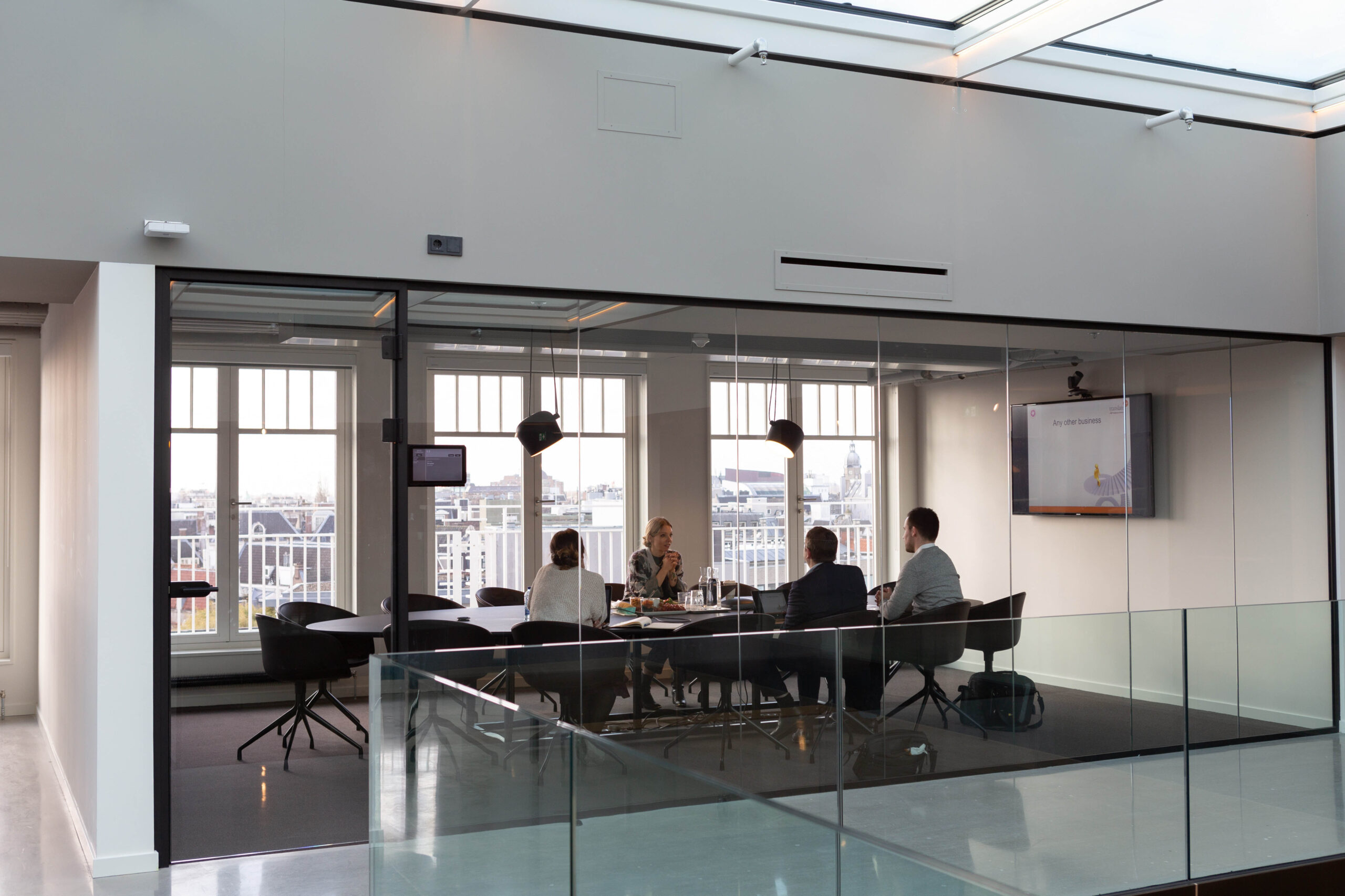
    How To Use Commercial Mediation to Resolve Disputes in Real Estate Transactions – sora-shimazaki-5673488

    Real estate transactions can be complex and involve a lot of different parties, including buyers, sellers, agents, lenders, and more. With so many different people involved, it’s not uncommon for disputes to arise during the transaction process. These disputes can range from disagreements about the purchase price or closing date to more serious issues like breaches of contract or fraud.

    When disputes arise in real estate transactions, it can be tempting to immediately turn to litigation. However, litigation can be costly, time-consuming, and stressful for all parties involved. Fortunately, there is an alternative to litigation: commercial mediation.

    Commercial mediation is a process where a neutral third-party mediator helps the parties in a dispute come to a mutually acceptable resolution. The mediator does not have the power to make a binding decision, but instead works with the parties to help them reach an agreement on their own terms.

    Here are some steps you can take to use commercial mediation to resolve disputes in real estate transactions:

    Choose a mediator

    The first step in using commercial mediation is to choose a mediator. Look for someone, such as myself, who is experienced in real estate disputes and has a reputation for being fair, neutral, and impartial.

    Agree on the terms of mediation

    Before the mediation process can begin, all parties involved must agree to participate in mediation and agree on the terms of the process. This includes deciding on the location, timing, and duration of the mediation, as well as any fees associated with the process.

    Prepare for mediation

    Once the terms of mediation have been agreed upon, all parties involved should prepare for the mediation session. This may include gathering relevant documents and evidence, reviewing any relevant contracts or agreements, and preparing a list of potential solutions to the dispute.

    Participate in mediation

    During the mediation session, the mediator will work with the parties to help them come to a mutually acceptable resolution. This may involve discussing the issues at hand, identifying common ground, and brainstorming potential solutions.

    Reach an agreement

    If the parties are able to reach an agreement during mediation, the terms of the agreement should be put in writing and signed by all parties involved. This agreement will be binding and can be used to resolve the dispute.

    Overall, commercial mediation can be an effective way to resolve disputes in real estate transactions. By choosing a neutral mediator and working together to find a mutually acceptable solution, all parties involved can avoid the stress, cost, and uncertainty of litigation.

    For an experienced Mediator to help negotiate a resolution to your commercial dispute contact Ken Strongman. Here.

    About the Author: As a professional Mediator and Arbitrator since 2004 Ken Strongman has years of experience and has successfully resolved disputes in the fields of Business/Commercial, Securities, Estates/Probate/Trusts, Real Estate, Intellectual Property, Construction Defects, Construction Contracts, Employment, and Environment. He is also a Mediator and Arbitrator for FINRA.  

    © 2023 Ken Strongman. All Rights Reserved. Please do not copy or re-post without permission.

  • The Benefits of Using Commercial Mediation in International Business Disputes

    The Benefits of Using Commercial Mediation in International Business Disputes

    The Benefits of Using Commercial Mediation in International Business Disputes – vlada-karpovich-7433900

    As the world becomes more connected through global trade and commerce, international business disputes are becoming increasingly common. These disputes can arise from a variety of issues, including contractual breaches, intellectual property disputes, and disputes related to the interpretation of laws and regulations. In such cases, commercial mediation can be an effective way to resolve these disputes amicably and efficiently.

    Commercial mediation involves the use of an independent third party, known as a mediator, to facilitate negotiations between the parties in dispute. The mediator’s role is to help the parties communicate effectively, identify the issues in dispute, and explore possible solutions to resolve the dispute. Unlike litigation or arbitration, which are often time-consuming and expensive, commercial mediation is typically faster, less formal, and less expensive.

    Retain Control

    One of the primary benefits of commercial mediation in international business disputes is that it allows the parties to retain control over the outcome of the dispute. Unlike litigation or arbitration, where a judge or arbitrator makes a binding decision, the parties in mediation have the freedom to negotiate and come up with a solution that works for them. This can be especially important in international disputes, where cultural and legal differences may make it difficult to find a solution that works for both parties.

    Confidential

    Another benefit of commercial mediation is that it is confidential. This means that the discussions and negotiations that take place during the mediation process are kept private, which can help to preserve the parties’ business relationships. In contrast, litigation and arbitration proceedings are generally open to the public, which can lead to negative publicity and damage to a company’s reputation.

    Cost-effective

    Commercial mediation can also be more cost-effective than other forms of dispute resolution. The costs associated with litigation and arbitration can be significant, including legal fees, court costs, and expert witness fees. In contrast, the costs associated with mediation are typically lower, as there are no formal procedures or court fees to pay.

    Finally, commercial mediation can be a faster and more efficient way to resolve disputes. Litigation and arbitration proceedings can take months or even years to resolve, while a mediation process can often be completed in a matter of weeks or months. This can be especially important in international disputes, where time is often of the essence.

    Therefore, commercial mediation can be an effective way to resolve international business disputes. It allows the parties to retain control over the outcome of the dispute, is confidential, cost-effective, and can be completed quickly and efficiently. As businesses continue to expand their global reach, the use of commercial mediation is likely to become even more important in resolving international disputes.

    For an experienced Mediator to help negotiate a resolution to your commercial dispute contact Ken Strongman. Here.

    About the Author: As a professional Mediator and Arbitrator since 2004 Ken Strongman has years of experience and has successfully resolved disputes in the fields of Business/Commercial, Securities, Estates/Probate/Trusts, Real Estate, Intellectual Property, Construction Defects, Construction Contracts, Employment, and Environment. He is also a Mediator and Arbitrator for FINRA.

    © 2023 Ken Strongman. All Rights Reserved. Please do not copy or re-post without permission.

  • Differences Between  Mediation & Arbitration

    Differences Between Mediation & Arbitration

    The Differences Between Mediation and Arbitration – yan-krukov-7640796

    Alternative dispute resolution (ADR) methods such as commercial mediation and arbitration have become increasingly popular in recent years. While these two approaches share similarities, they also have significant differences, each with its own set of advantages and disadvantages. In this blog post, we will explore the differences between commercial mediation and arbitration.

    Mediation

    Commercial mediation is a voluntary and confidential process that involves a neutral third party, known as a mediator, who helps parties negotiate and reach a mutually acceptable solution to their dispute. Mediation is an informal process that does not involve strict rules of evidence or procedure. It can be used in various commercial disputes, including contractual, employment, and shareholder disputes. One significant benefit of mediation is its flexibility, as parties can agree on the mediator’s qualifications, location, and time frame for sessions. Additionally, mediation is generally less expensive and quicker than arbitration or litigation.

    Arbitration

    Arbitration is a more formal process that involves a neutral third party, known as an arbitrator, who renders a binding decision on both parties. Arbitration can be used in various commercial disputes, including contractual, construction, and intellectual property disputes. Unlike mediation, the arbitrator’s decision is final and enforceable, and the process is governed by strict rules of evidence and procedure. However, arbitration also offers greater flexibility than litigation, as parties can agree on the arbitrator’s qualifications, location, and time frame for proceedings. Additionally, the rules of evidence and procedure are generally less formal than those in litigation, making arbitration a more accessible and efficient process.

    In conclusion, both commercial mediation and arbitration are valuable ADR methods in resolving commercial disputes. Mediation is a more informal and flexible process that relies on parties’ agreement to reach a mutually acceptable solution. In contrast, arbitration is a more formal and binding process that involves a neutral third party’s decision. Ultimately, the choice between mediation and arbitration depends on the nature of the dispute and the parties’ goals and preferences. By understanding the differences between these two approaches, parties can make informed decisions when selecting an ADR method to resolve their commercial disputes.

    For an experienced Mediator to help negotiate a resolution to your commercial dispute contact Ken Strongman. Here.

    About the Author: As a professional Mediator and Arbitrator since 2004 Ken Strongman has years of experience and has successfully resolved disputes in the fields of Business/Commercial, Securities, Estates/Probate/Trusts, Real Estate, Intellectual Property, Construction Defects, Construction Contracts, Employment, and Environment. He is also a Mediator and Arbitrator for FINRA

    © 2023 Ken Strongman. All Rights Reserved. Please do not copy or re-post without permission.

  • How To Negotiate Effectively in Mediation

    How To Negotiate Effectively in Commercial Mediation

    Commercial mediation is an effective method to resolve disputes in business. It involves a neutral third-party mediator who helps parties find a mutually acceptable solution to their dispute. However, successful commercial mediation depends on effective negotiation skills. Here are some tips on how to negotiate effectively in commercial mediation:

    Understand your goals and objectives

    Before entering into commercial mediation, you should have a clear understanding of your goals and objectives. What do you hope to achieve through the mediation process? This could be a settlement, an agreement to work together, or even just a better understanding of the other party’s position. Understanding your goals and objectives will help you focus your negotiation strategy and communicate your needs effectively.

    Prepare your case

    In commercial mediation, preparation is key. You should gather all relevant information and documentation related to your case. This includes any contracts, correspondence, or evidence that supports your position. You should also review your case and identify any strengths and weaknesses. This will help you anticipate the other party’s arguments and prepare counter-arguments.

    Listen actively

    Active listening is a critical component of effective negotiation in commercial mediation. You should listen carefully to the other party’s position and try to understand their perspective. This will help you identify areas of common ground and potential solutions. It is also important to acknowledge the other party’s feelings and concerns, as this can help build rapport and trust.

    Communicate clearly and assertively

    Communication is key in commercial mediation. You should communicate your needs and objectives clearly and assertively. This means being confident in expressing your position, while also being open to the other party’s perspective. It is important to avoid getting defensive or emotional, as this can undermine the negotiation process.

    Explore creative solutions

    Commercial mediation offers a unique opportunity to explore creative solutions to disputes. You should be open to exploring different options and brainstorming potential solutions. This may involve compromising on some issues, but it can ultimately lead to a more satisfactory outcome for both parties.

    Be willing to compromise

    Compromise is an essential component of successful negotiation in commercial mediation. You should be willing to make concessions and find common ground with the other party. This may involve giving up some of your demands in order to reach a mutually acceptable solution.

    In conclusion, effective negotiation skills are essential for successful commercial mediation. By understanding your goals and objectives, preparing your case, listening actively, communicating clearly and assertively, exploring creative solutions, and being willing to compromise, you can increase your chances of reaching a satisfactory resolution to your dispute.

    For an experienced Mediator to help negotiate a resolution to your commercial dispute contact Ken Strongman. Here.

    About the Author: As a professional Mediator and Arbitrator since 2004 Ken Strongman has years of experience and has successfully resolved disputes in the fields of Business/Commercial, Securities, Estates/Probate/Trusts, Real Estate, Intellectual Property, Construction Defects, Construction Contracts, Employment, and Environment. He is also a Mediator and Arbitrator for FINRA.  

    © 2023 Ken Strongman. All Rights Reserved. Please do not copy or re-post without permission.

  • Potential Outcomes of a  Mediation Session

    Potential Outcomes of a Mediation Session

    The Potential Outcomes of a Commercial Mediation Session – pexels-yan-krukov-7793988

    When parties find themselves in a commercial dispute, they often look to mediation as a means of resolving the issue without going to court. Mediation is a process where a neutral third party, the mediator, helps the parties negotiate and reach a mutually agreeable settlement.

    A successful mediation session can lead to a number of potential outcomes, including:

    Settlement Agreement

    The most common outcome of a successful mediation session is a settlement agreement. This is a written agreement that outlines the terms of the settlement reached by the parties. The settlement agreement is usually binding and enforceable, meaning that if one party fails to comply with the terms of the agreement, the other party can take legal action to enforce it.

    Improved Relationship between the parties

     Mediation is a collaborative process, and as such, it can help improve the relationship between the parties. The mediator works to facilitate communication and understanding between the parties, which can lead to a better working relationship moving forward.

    Cost Savings

    Mediation is often a more cost-effective alternative to going to court. The parties only pay for the mediator’s time, whereas going to court can involve substantial legal fees and expenses.

    Time Savings

    Mediation is typically a much faster process than going to court. The parties can usually schedule a mediation session within a few weeks, whereas going to court can take months or even years.

    Confidentiality

    Mediation is a confidential process, which means that the discussions and information exchanged during the session cannot be used in court. This can be particularly beneficial for parties who want to avoid negative publicity or protect sensitive information.

    Creativity

    Mediation allows parties to come up with creative solutions to their dispute. The mediator can help the parties think outside the box and explore alternative options that may not be available in a court setting.

    Of course, not all mediation sessions are successful. In some cases, the parties are unable to reach a settlement agreement, and they may need to pursue other options, such as going to court. However, even in these cases, the parties may still benefit from the process. Mediation can help them better understand each other’s positions and identify areas of agreement and disagreement, which can be helpful in resolving the dispute in the future.

    Therefore, mediation can be a highly effective way to resolve commercial disputes. A successful mediation session can lead to a settlement agreement, improved relationships between the parties, cost and time savings, confidentiality, creativity, and other benefits. Even in cases where the parties are unable to reach a settlement agreement, mediation can still be a valuable process that helps them better understand each other’s perspectives and lays the groundwork for future resolution.

    For an experienced Mediator to help negotiate a resolution to your commercial dispute contact Ken Strongman. Here.

    About the Author: As a professional Mediator and Arbitrator since 2004 Ken Strongman has years of experience and has successfully resolved disputes in the fields of Business/Commercial, Securities, Estates/Probate/Trusts, Real Estate, Intellectual Property, Construction Defects, Construction Contracts, Employment, and Environment. He is also a Mediator and Arbitrator for FINRA.

    © 2023 Ken Strongman. All Rights Reserved. Please do not copy or re-post without permission.

  • Understanding The Different Styles of Commercial Mediation

    Understanding The Different Styles of Commercial Mediation

    Understanding The Different Styles of Commercial Mediation – pexels-artem-podrez-8518720

    Commercial mediation is a highly effective means of resolving disputes in the business world, offering a process where a neutral third-party mediator helps the parties reach a mutually beneficial resolution. Not only does mediation save time and money compared to traditional court systems, but it also offers different styles of mediation to suit various needs.

    Facilitative Mediation

    Facilitative Mediation is a popular style of commercial mediation. The mediator serves as a facilitator, guiding parties toward a mutually beneficial resolution by fostering effective communication and encouraging both sides to find a solution that works for everyone. This style is ideal when the parties desire to maintain a good relationship after the dispute has been resolved.

    Evaluative Mediation

    Evaluative Mediation is another style of commercial mediation, wherein the mediator assesses the strengths and weaknesses of each party’s position and offers an opinion on what the outcome might be if the case went to court. This style is useful when parties want to gauge what a judge or jury might decide.

    Transformative Mediation

    Transformative Mediation focuses on improving the relationship between parties. The mediator works with parties to understand each other’s perspectives, find common ground, and achieve a positive outcome that strengthens their relationship. This style is ideal when parties want to maintain a good relationship after resolving the dispute.

    Narrative Mediation

    Narrative Mediation is a style that centers around the stories the parties tell about their dispute. The mediator helps the parties understand how their stories contributed to the dispute and encourages them to create new, more positive narratives about the future. This style is useful when parties want to shift the way they think about the dispute and move forward positively.

    In conclusion, when it comes to commercial mediation, it’s crucial to understand the different styles available to select the best one for your needs. A good mediator like myself will use all of these styles as needed by the parties and the dispute:

    • Facilitative mediation is ideal for maintaining good relationships;
    • Evaluative mediation is useful for getting an idea of a court’s decision;
    • Transformative mediation is perfect for improving relationships and;
    • Narrative mediation is effective for shifting mindsets.

    Thereby the parties can achieve the best possible outcome for their dispute.

    To contact me to help negotiate a resolution to your commercial dispute see my website. Here.

    About the Author: As a professional Mediator and Arbitrator since 2004 Ken Strongman has years of experience and has successfully resolved disputes in the fields of Business/Commercial, Securities, Estates/Probate/Trusts, Real Estate, Intellectual Property, Construction Defects, Construction Contracts, Employment, and Environment. He is also a Mediator and Arbitrator for FINRA

    © 2023 Ken Strongman. All Rights Reserved. Please do not copy or re-post without permission.

  • Role of Technology in  Mediation

    Role of Technology in Mediation

    The Role of Technology in Commercial Mediation – pexels-pavel-danilyuk-7518964

    In recent years, technology has played an increasingly important role in various aspects of our lives. From education to healthcare, technology has transformed the way we interact with each other and the world around us. One area where technology has made significant strides is commercial mediation. We will now discuss the role of technology in commercial mediation and how it has impacted the process.

    Commercial mediation is a form of dispute resolution where parties involved in a commercial dispute hire a neutral third party to help them negotiate a settlement. Traditionally, mediation involved face-to-face meetings between the parties and the mediator, but with the advent of technology, online mediation has become more prevalent. Online mediation allows parties to participate in the mediation process remotely, which has several advantages.

    Firstly, online mediation can be conducted more efficiently. By eliminating the need for travel and scheduling conflicts, online mediation allows parties to participate in the mediation process more easily. This can save time and reduce costs associated with traditional face-to-face mediation.

    Secondly, online mediation can be more effective in resolving disputes. Studies have shown that parties involved in online mediation are more likely to reach a settlement than those involved in face-to-face mediation. This is because online mediation allows parties to communicate more openly and freely, without the constraints of face-to-face interactions.

    Thirdly, technology can facilitate the mediation process itself. For example, online mediation platforms can provide tools for parties to share documents, track progress, and communicate with each other and the mediator. These tools can enhance the transparency and efficiency of the mediation process, helping parties to reach a settlement more quickly and effectively.

    However, technology also has its limitations in commercial mediation. Online mediation may not be suitable for all disputes, and some disputes may require face-to-face interactions to build trust and rapport between the parties. Technological glitches and language barriers can also create barriers to communication.

    In conclusion, technology has had a significant impact on commercial mediation, making the process more efficient, effective, and transparent. As technology continues to evolve, we can expect further advancements in the field of commercial mediation.

    Nonetheless, it is essential to remember that technology should be used as a tool to enhance the mediation process, not replace it entirely. The human element of mediation remains critical in building trust and understanding between the parties involved in a dispute.

    For an experienced and qualified commercial mediator to help negotiate a resolution to your commercial dispute contact Ken Strongman. Here.

    About the Author: As a professional Mediator and Arbitrator since 2004 Ken Strongman has years of experience and has successfully resolved disputes in the fields of Business/Commercial, Securities, Estates/Probate/Trusts, Real Estate, Intellectual Property, Construction Defects, Construction Contracts, Employment, and Environment. He is also a Mediator and Arbitrator for FINRA.

    © 2023 Ken Strongman. All Rights Reserved. Please do not copy or re-post without permission.

  • How To Select a Qualified  Mediator

    How To Select a Qualified Mediator

    How To Select a Qualified Commercial Mediator – pexels-fauxels-3182827

    How To Select a Qualified Commercial Mediator. When it comes to resolving disputes in a commercial setting, mediation can be an effective solution that can help parties avoid the time and expense of litigation. However, selecting the right mediator is key to a successful outcome. Here are some tips on how to select a qualified commercial mediator:

    Look for specialized training and certification.

    While many mediators are generalists, it can be beneficial to choose a mediator who has specialized training and certification in commercial mediation. This can indicate that they have the necessary knowledge and skills to navigate the unique complexities of commercial disputes.

    Consider their experience.

    Experience is an important factor in selecting a mediator. Look for someone who has a proven track record of success in commercial mediation, ideally in your industry or field. Ask for references and check their professional background and experience.

    Check for impartiality.

    An impartial mediator is critical to the success of any mediation process. Make sure that the mediator you choose is neutral and has no conflicts of interest that could compromise their ability to remain unbiased. This can be particularly important in complex or emotionally charged disputes.

    Evaluate their communication and negotiation skills.

    A mediator needs to be an effective communicator, able to understand the needs and concerns of all parties involved and facilitate constructive communication. Strong negotiation skills are also important, as the mediator may need to help parties find common ground and reach a mutually agreeable solution.

    Look for someone who understands your business.

    Selecting a mediator who has experience in your particular industry or field can be beneficial. They will be familiar with the unique challenges and opportunities that arise in your business and may be able to offer insights and solutions that a generalist mediator may not be able to provide.

    Consider the logistics.

    When selecting a mediator, it is important to consider the practical details of the mediation process. This includes the mediator’s availability, location, and fees. Ensure that their availability aligns with your needs, that they are located conveniently for all parties, and that their fees are reasonable and transparent.

    In conclusion, selecting a qualified commercial mediator requires careful consideration of a variety of factors. By choosing a mediator with specialized training and experience, strong communication and negotiation skills, impartiality, and an understanding of your business, you can increase the likelihood of a successful outcome.

    For an experienced and qualified commercial mediator to help negotiate a resolution to your commercial dispute contact Ken Strongman. Here.

    About the Author: As a professional Mediator and Arbitrator since 2004 Ken Strongman has years of experience and has successfully resolved disputes in the fields of Business/Commercial, Securities, Estates/Probate/Trusts, Real Estate, Intellectual Property, Construction Defects, Construction Contracts, Employment, and Environment. He is also a Mediator and Arbitrator for FINRA. www.Finra.org  

    © 2023 Ken Strongman. All Rights Reserved. Please do not copy or re-post without permission.

  • Benefits of Mediation for Businesses of All Sizes

    Benefits of Mediation for Businesses of All Sizes

    The Benefits of Commercial Mediation for Businesses of All Sizes – pexels-fauxels-3183172

    Disputes and conflicts are an inevitable part of any business. However, commercial mediation provides an effective alternative to litigation that can help businesses of all sizes resolve disputes more efficiently and effectively.

    Mediation is a form of alternative dispute resolution (ADR) that involves a neutral third-party facilitating negotiations between conflicting parties. In commercial mediation, a trained mediator with expertise in the specific area of conflict works with all parties to explore possible solutions and reach an agreement that satisfies everyone involved.

    One of the primary benefits of commercial mediation is cost savings. Unlike litigation, which can be lengthy, expensive, and public, mediation is generally much less expensive and can often be completed in just a few sessions, making it a cost-effective option for businesses of all sizes.

    Another significant advantage of commercial mediation is its ability to preserve relationships. Mediation allows parties to work together to find a mutually agreeable solution, which can help maintain or even strengthen relationships. This is particularly important for small businesses, where maintaining positive relationships with customers, suppliers, and partners is critical to long-term success.

    Mediation can also be a faster way to resolve disputes than litigation. This can be especially beneficial for businesses that need to resolve a dispute quickly to avoid disrupting operations or to prevent further financial or reputational damage.

    Finally, mediation offers businesses more control over the outcome of a dispute. This can result in more creative and flexible solutions that better meet the needs of all parties involved.

    In conclusion, commercial mediation is an effective and efficient way for businesses of all sizes to resolve disputes. It offers cost savings, preserves relationships, is faster than litigation, and gives parties more control over the outcome. With these benefits, businesses should consider mediation as a first option for resolving disputes before turning to litigation. By utilizing commercial mediation, businesses can save time and money while preserving relationships and achieving mutually agreeable solutions.

    For an experienced Mediator to help negotiate a resolution to your commercial dispute contact Ken Strongman. Here.

    About the Author: As a professional Mediator and Arbitrator since 2004 Ken Strongman has years of experience and has successfully resolved disputes in the fields of Business/Commercial, Securities, Estates/Probate/Trusts, Real Estate, Intellectual Property, Construction Defects, Construction Contracts, Employment, and Environment. He is also a Mediator and Arbitrator for FINRA.  

    © 2023 Ken Strongman. All Rights Reserved. Please do not copy or re-post without permission.

  • Future of Mediation in Conflict Resolution

    Future of Mediation in Conflict Resolution

    Future of Mediation – pexels-christina-morillo-1181406

    Conflict is an inevitable part of human interactions, and it is vital to find a way to resolve conflicts to prevent them from escalating and causing more significant problems. For many years, litigation has been the go-to approach for resolving conflicts. However, over the past few decades, commercial mediation has gained popularity as an alternative dispute resolution method. Mediation involves a neutral third party who assists parties in reaching an agreement that suits their interests, without having to go through the lengthy and costly litigation process.

    As we move into the future, commercial mediation is expected to play a more significant role in conflict resolution. Here are some of the reasons why:

    1. Efficiency

    One of the primary advantages of commercial mediation is its efficiency. Mediation allows parties to resolve their disputes quickly and with minimal costs compared to litigation. In the future, as businesses become more complex, and the number of disputes continues to rise, mediation will be a critical tool in resolving conflicts.

    1. Confidentiality

    Confidentiality is another significant benefit of mediation. Unlike litigation, where court proceedings are open to the public, mediation is a private process. The confidentiality of mediation encourages parties to be more open and honest about their concerns and interests. This allows for a more productive discussion that can lead to a mutually beneficial resolution.

    1. Flexibility

    Mediation is also a flexible process that can be customized to fit the needs of the parties involved. In the future, as businesses become more diverse and operate in different parts of the world, the flexibility of mediation will be essential in resolving disputes between parties from different cultures and backgrounds.

    1. Sustainability

    Another benefit of mediation is its sustainability. Mediation allows parties to maintain their relationship and work together towards a mutually beneficial outcome. In the future, as sustainability becomes a more critical issue, mediation will be a valuable tool in resolving disputes while preserving relationships and promoting long-term collaboration.

    1. Technology

    Finally, technology will play a crucial role in the future of commercial mediation. With advancements in technology, mediation can be conducted remotely, making it more accessible and convenient for parties in different parts of the world. In addition, technology can help to streamline the mediation process, making it more efficient and cost-effective.

    The future of commercial mediation in conflict resolution is bright. Mediation is an efficient, confidential, flexible, sustainable, and technology-driven process that can help parties resolve their disputes in a mutually beneficial way. As businesses become more complex and global, the need for alternative dispute resolution methods like mediation will continue to grow. The use of mediation can help to reduce the burden on courts, promote sustainable business relationships, and ultimately save time and money for all parties involved.

    For an experienced Mediator to help negotiate a resolution to your commercial dispute contact Ken Strongman. Here. www.kpstrongman.com

    About the Author: As a professional Mediator and Arbitrator since 2004 Ken Strongman has years of experience and has successfully resolved disputes in the fields of Business/Commercial, Securities, Estates/Probate/Trusts, Real Estate, Intellectual Property, Construction Defects, Construction Contracts, Employment, and Environment. He is also a Mediator and Arbitrator for FINRA.  

    © 2023 Ken Strongman. All Rights Reserved. Please do not copy or re-post without permission.