Blog

  • Future of Mediation in Conflict Resolution

    Future of Mediation in Conflict Resolution

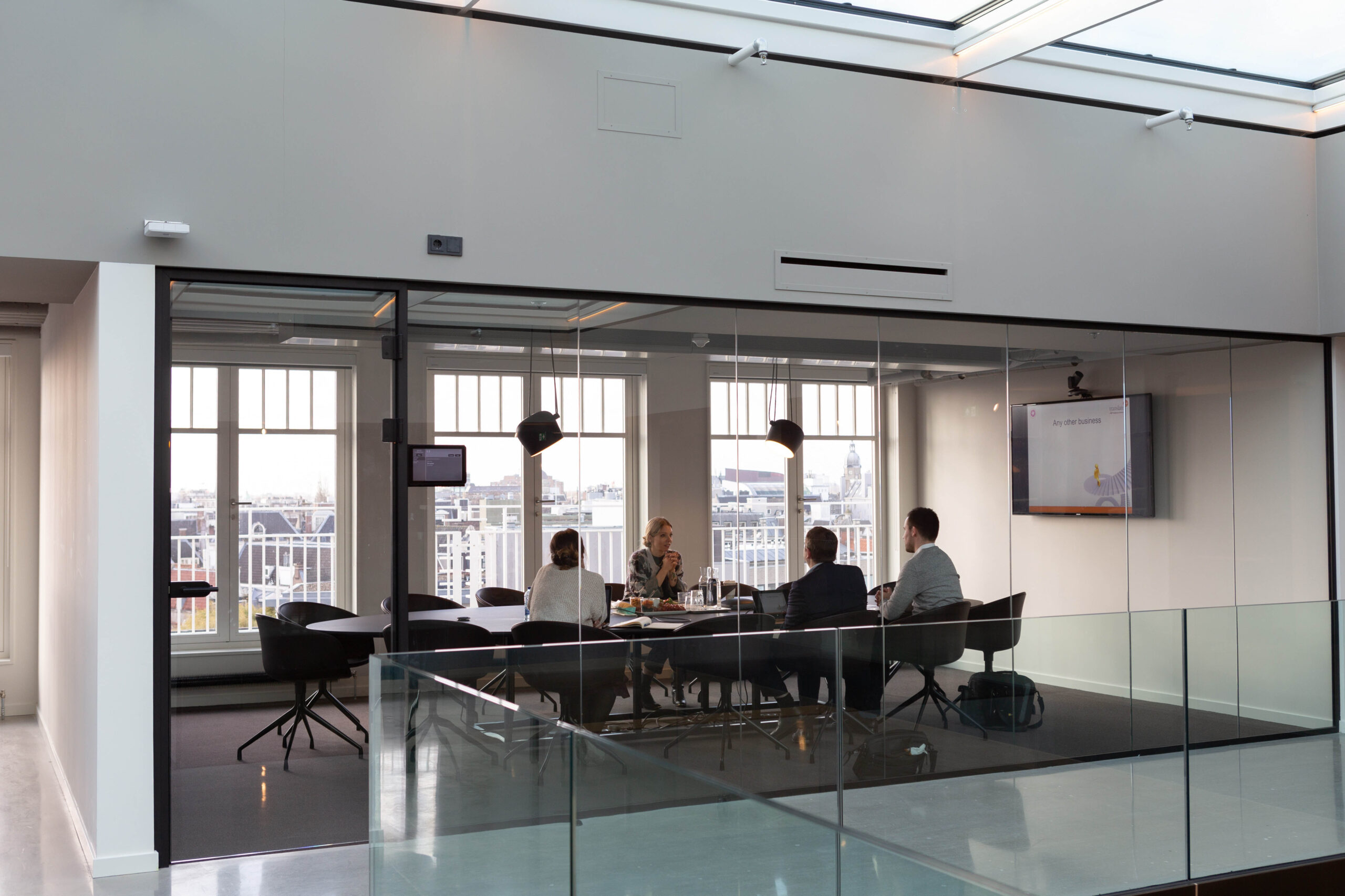
    Future of Mediation – pexels-christina-morillo-1181406

    Conflict is an inevitable part of human interactions, and it is vital to find a way to resolve conflicts to prevent them from escalating and causing more significant problems. For many years, litigation has been the go-to approach for resolving conflicts. However, over the past few decades, commercial mediation has gained popularity as an alternative dispute resolution method. Mediation involves a neutral third party who assists parties in reaching an agreement that suits their interests, without having to go through the lengthy and costly litigation process.

    As we move into the future, commercial mediation is expected to play a more significant role in conflict resolution. Here are some of the reasons why:

    1. Efficiency

    One of the primary advantages of commercial mediation is its efficiency. Mediation allows parties to resolve their disputes quickly and with minimal costs compared to litigation. In the future, as businesses become more complex, and the number of disputes continues to rise, mediation will be a critical tool in resolving conflicts.

    1. Confidentiality

    Confidentiality is another significant benefit of mediation. Unlike litigation, where court proceedings are open to the public, mediation is a private process. The confidentiality of mediation encourages parties to be more open and honest about their concerns and interests. This allows for a more productive discussion that can lead to a mutually beneficial resolution.

    1. Flexibility

    Mediation is also a flexible process that can be customized to fit the needs of the parties involved. In the future, as businesses become more diverse and operate in different parts of the world, the flexibility of mediation will be essential in resolving disputes between parties from different cultures and backgrounds.

    1. Sustainability

    Another benefit of mediation is its sustainability. Mediation allows parties to maintain their relationship and work together towards a mutually beneficial outcome. In the future, as sustainability becomes a more critical issue, mediation will be a valuable tool in resolving disputes while preserving relationships and promoting long-term collaboration.

    1. Technology

    Finally, technology will play a crucial role in the future of commercial mediation. With advancements in technology, mediation can be conducted remotely, making it more accessible and convenient for parties in different parts of the world. In addition, technology can help to streamline the mediation process, making it more efficient and cost-effective.

    The future of commercial mediation in conflict resolution is bright. Mediation is an efficient, confidential, flexible, sustainable, and technology-driven process that can help parties resolve their disputes in a mutually beneficial way. As businesses become more complex and global, the need for alternative dispute resolution methods like mediation will continue to grow. The use of mediation can help to reduce the burden on courts, promote sustainable business relationships, and ultimately save time and money for all parties involved.

    For an experienced Mediator to help negotiate a resolution to your commercial dispute contact Ken Strongman. Here. www.kpstrongman.com

    About the Author: As a professional Mediator and Arbitrator since 2004 Ken Strongman has years of experience and has successfully resolved disputes in the fields of Business/Commercial, Securities, Estates/Probate/Trusts, Real Estate, Intellectual Property, Construction Defects, Construction Contracts, Employment, and Environment. He is also a Mediator and Arbitrator for FINRA.  

    © 2023 Ken Strongman. All Rights Reserved. Please do not copy or re-post without permission.

  • Ethical Considerations of  Mediation

    Ethical Considerations of Mediation

    Commercial mediation is a popular form of alternative dispute resolution that involves a neutral third-party mediator who helps parties in a commercial dispute reach a mutually acceptable resolution. Compared to litigation, mediation is quicker, more affordable, and more adaptable, making it a preferred option for many businesses. However, commercial mediation presents ethical considerations that must be addressed to ensure the process’s integrity and effectiveness.

    Neutrality

    Neutrality is a primary ethical consideration in commercial mediation. Mediators must remain unbiased throughout the mediation process, avoiding taking sides or showing favoritism toward any of the parties involved. They must not have any financial or personal stake in the outcome of the mediation, as such bias can undermine the process’s trust and fairness.

    Confidentiality

    Confidentiality is another critical ethical consideration in commercial mediation. Mediators must maintain the confidentiality of all information shared during the mediation, preventing any unauthorized disclosure to outsiders. This confidentiality enables parties to speak freely and explore options without fear of negative consequences. It also safeguards the parties’ interests and protects their reputation.

    Informed Consent

    Informed consent is also essential in commercial mediation. Mediators must provide a clear explanation of the mediation process and the mediator’s role to the parties involved, ensuring that they understand the possible outcomes and the advantages and disadvantages of settling the dispute through mediation. This helps parties make informed decisions and avoid being coerced or misled into making decisions that may not serve their best interests.

    Mediators must have the necessary qualifications and training to conduct commercial mediations effectively. This includes a comprehensive understanding of the commercial environment, including the legal and financial aspects of the dispute, and training in conflict resolution and mediation techniques.

    In conclusion, commercial mediation is a valuable alternative to litigation in resolving commercial disputes. However, ensuring the integrity and effectiveness of the process requires that mediators maintain neutrality, confidentiality, informed consent, and adequate qualifications and training. By adhering to these ethical considerations, mediators can ensure that parties can trust the process and reach mutually satisfactory agreements, benefiting all involved.

    For an experienced Mediator to help negotiate a resolution to your commercial dispute contact Ken Strongman. Here.

    About the Author: As a professional Mediator and Arbitrator since 2004 Ken Strongman has years of experience and has successfully resolved disputes in the fields of Business/Commercial, Securities, Estates/Probate/Trusts, Real Estate, Intellectual Property, Construction Defects, Construction Contracts, Employment, and Environment. He is also a Mediator and Arbitrator for FINRA.  

    © 2023 Ken Strongman. All Rights Reserved. Please do not copy or re-post without permission.

  • Impact of Mediation on Legal Proceedings

    Impact of Mediation on Legal Proceedings

    pexels-kampus-production-6829467-
    pexels-kampus-production-6829467

    In recent years, commercial mediation has become an increasingly popular alternative to traditional legal proceedings for resolving business disputes. This is due in large part to the significant impact that mediation can have on legal proceedings, particularly in terms of reducing costs, saving time, and preserving relationships.

    Reduce Costs

    One of the most significant impacts of commercial mediation is its ability to reduce costs. Litigation can be an incredibly expensive process, involving significant amounts of time and money spent on legal fees, expert witnesses, and court costs. In contrast, mediation is generally much less expensive, as it involves a neutral third party who works with both parties to help them reach a mutually agreeable resolution.

    Save Time

    In addition to reducing costs, commercial mediation can also save time. Litigation can be a lengthy process, often taking years to resolve a dispute. Mediation, on the other hand, can be completed in a matter of weeks or months, depending on the complexity of the case. This can be particularly beneficial for businesses that need to resolve a dispute quickly in order to avoid disruptions to their operations.

    Preserve Relationships

    Another significant impact of commercial mediation is its ability to preserve relationships. In many cases, businesses that are involved in a legal dispute have an ongoing relationship that they would like to maintain. Litigation can often be an adversarial process that damages relationships beyond repair. Mediation, however, is focused on finding a mutually agreeable solution that works for both parties, which can help to preserve the relationship and enable the parties to continue doing business together.

    Finally, commercial mediation can have a significant impact on legal proceedings, particularly in terms of reducing costs, saving time, and preserving relationships. As businesses continue to seek more efficient and effective ways to resolve disputes, it is likely that mediation will continue to grow in popularity as a preferred alternative to traditional litigation.

    For an experienced Mediator to help negotiate a resolution to your commercial dispute contact Ken Strongman. Here.

    About the Author: As a professional Mediator and Arbitrator since 2004 Ken Strongman has years of experience and has successfully resolved disputes in the fields of Business/Commercial, Securities, Estates/Probate/Trusts, Real Estate, Intellectual Property, Construction Defects, Construction Contracts, Employment, and Environment. He is also a Mediator and Arbitrator for FINRA

    © 2023 Ken Strongman. All Rights Reserved. Please do not copy or re-post without permission.

  • How to Prepare for a Commercial Mediation

    Select a mediator – pexels-yan-krukov-7698744

    Commercial mediation can be an effective way to resolve disputes between businesses. It is a cost-effective and time-efficient way to settle disputes without having to go through the lengthy and costly court system. However, to ensure that your mediation session is successful, it is important to prepare adequately beforehand. Here are some tips on how to prepare for a commercial mediation session.

    Understand the Mediation Process

    Before you attend a mediation session, it is essential to understand how the process works. I as mediator, will act as a neutral third party to help the parties come to a mutually agreeable solution. The process will involve an opening session, private sessions with each party, and a closing session. Familiarize yourself with the process so you can understand what to expect and how to conduct yourself during the session.

    Know your Facts

    One of the most important things you can do to prepare for a mediation session is to gather all the necessary information and documents related to the dispute. Be prepared to present your case clearly and concisely to the mediator. This includes understanding the strengths and weaknesses of your position, as well as being able to identify potential solutions to the dispute.

    Define your Goals

    Before entering the mediation session, define your goals for the mediation. What do you hope to achieve from the session? Understanding your goals will help you to stay focused and on track during the mediation process. It will also help you to evaluate the success of the mediation session and determine if it was a good use of your time and resources.

    Consider Different Solutions

    As part of your preparation, consider different solutions to the dispute. This could include options for settlement, compromise, or other creative solutions that are mutually beneficial to both parties. Having a range of options to present during the mediation session can help to facilitate a quicker and more successful resolution.

    Choose a Skilled Mediator

    Finally, it is important to choose a skilled mediator, such as myself, who is experienced in commercial mediation. Look for a mediator who has a good reputation and who has successfully mediated disputes in the past. A skilled mediator can help guide the parties through the process, identify common interests, and help the parties reach a mutually agreeable solution. As such a mediator, please contact me to start the process of resolving your dispute.

    Preparing for a commercial mediation session is critical to achieving a successful outcome. By understanding the process, gathering the necessary information, defining your goals, considering different solutions, and choosing a skilled mediator, you can increase your chances of a successful mediation session. Mediation can be an effective way to resolve disputes and can help to maintain good business relationships between the parties involved.

    For an experienced Mediator to help negotiate a resolution to your commercial dispute contact Ken Strongman. Here.

    About the Author: As a professional Mediator and Arbitrator since 2004 Ken Strongman has years of experience and has successfully resolved disputes in the fields of Business/Commercial, Securities, Estates/Probate/Trusts, Real Estate, Intellectual Property, Construction Defects, Construction Contracts, Employment, and Environment. He is also a Mediator and Arbitrator for FINRA.

    © 2023 Ken Strongman. All Rights Reserved. Please do not copy or re-post without permission.

  • Process of Commercial Mediation

    The Process – pexels-khwanchai-phanthong-4175023.jpg

    Commercial mediation is a process of resolving disputes that arise in business transactions. It involves a neutral third-party mediator, such as myself, who facilitates negotiations between parties in conflict to arrive at a mutually acceptable resolution. Mediation is a flexible process that allows parties to explore various options for resolving disputes, and it is often faster, less expensive, and less formal than litigation.

    If you are considering commercial mediation to resolve a dispute, it is essential to understand the process involved. In this blog post, I will walk you through the process of commercial mediation.

    Pre-mediation

    The first step in commercial mediation is pre-mediation. At this stage, the mediator and the parties involved will hold preliminary discussions to determine whether mediation is the right option for resolving the dispute. They will also discuss the logistics of the mediation process, such as scheduling, location, and fees.

    Mediation agreement

    Once the parties agree to mediate, the mediator will prepare a mediation agreement. This document outlines the ground rules for the mediation process, including the role of the mediator, the confidentiality of the process, and the commitment of the parties to participate fully in the process.

    Opening Statements

    At the beginning of the mediation session, the mediator will make an opening statement, explaining the mediation process and the role of the parties involved. The parties will also have the opportunity to make opening statements, outlining their position on the dispute.

    Negotiation

    The negotiation phase is the most critical part of the mediation process. The parties will engage in discussions, facilitated by the mediator, to explore possible solutions to the dispute. The mediator will help the parties identify areas of agreement and areas of disagreement and guide them toward a resolution that is acceptable to all parties.

    Settlement agreement

    Once the parties reach a mutually acceptable resolution, the parties will prepare a settlement agreement. This document outlines the terms of the agreement and is binding on all parties involved. The settlement agreement is a legally binding document and can be enforced in court if necessary.

    Follow-up

    After the mediation process, the mediator may follow up with the parties to ensure that the settlement agreement is being implemented as agreed. This is an essential step to ensure that the parties’ rights are protected and the dispute is fully resolved.

    Commercial mediation is an effective way to resolve disputes in a timely, cost-effective, and collaborative manner. By understanding the mediation process, you can approach mediation with confidence and work toward a mutually acceptable resolution to your dispute. If you are looking for a quick and efficient way to resolve your business dispute, commercial mediation may be the solution for you.

    For an experienced Mediator to help negotiate a resolution to your commercial dispute contact Ken Strongman. Here.

    About the Author: As a professional Mediator and Arbitrator since 2004 Ken Strongman has years of experience and has successfully resolved disputes in the fields of Business/Commercial, Securities, Estates/Probate/Trusts, Real Estate, Intellectual Property, Construction Defects, Construction Contracts, Employment, and Environment. He is also a Mediator and Arbitrator for FINRA

    © 2023 Ken Strongman. All Rights Reserved. Please do not copy or re-post without permission.

  • The Role of a Mediator

    Role of Mediator – pexels-pavel-danilyuk-5520330

    In today’s business world, disputes and conflicts are a common occurrence. When parties in a commercial dispute cannot find a resolution on their own, they often turn to a commercial mediator for assistance such Ken Strongman. As a commercial mediator I am a neutral third party who facilitates communication and negotiation between the parties to help them reach a mutually acceptable agreement. In this blog post, I will discuss the role of a commercial mediator and how they can benefit your business.

    The Role of a Commercial Mediator

    The role of a commercial mediator is to help parties in a dispute reach a resolution that is mutually acceptable. The mediator does not take sides or make decisions for the parties. Instead, they facilitate communication and negotiation between the parties to help them find common ground. A commercial mediator’s role is to listen to both parties’ concerns and guide them towards finding a solution that meets their needs.

    Benefits of Using a Commercial Mediator

    Using a commercial mediator has many benefits for businesses. Here are a few:

    Saves Time and Money

    Commercial mediation is typically less expensive and time-consuming than going to court. Mediation can be scheduled at a time that is convenient for all parties involved, and it is often resolved within a few sessions.

    Preserves Relationships

    Mediation can help preserve business relationships that might otherwise be destroyed by the dispute. Since mediation focuses on finding a mutually acceptable solution, it is often easier for parties to continue working together after the dispute is resolved.

    Confidentiality

     Mediation is a private process, and the parties can agree to keep the details of the dispute confidential. This can be particularly important for businesses that want to avoid negative publicity or damage to their reputation. Confidentiality is enforced by law.

    Control

    Parties in mediation have more control over the outcome than they would in court. In mediation, the parties have the power to craft a solution that meets their unique needs and interests.

    Conclusion

    Commercial mediation is a valuable tool for businesses that are involved in a dispute. My role as a commercial mediator is to help parties communicate and negotiate in a way that leads to a mutually acceptable solution. By using a commercial mediator, such as myself, businesses can save time and money, preserve relationships, maintain confidentiality, and retain control over the outcome. If your business is involved in a dispute, consider using a commercial mediator to help you find a resolution.

    For an experienced Mediator to help negotiate a resolution to your commercial dispute contact Ken Strongman. Here.

    About the Author: As a professional Mediator and Arbitrator since 2004 Ken Strongman  has years of experience and has successfully resolved disputes in the fields of Business/Commercial, Securities, Estates/Probate/Trusts, Real Estate, Intellectual Property, Construction Defects, Construction Contracts, Employment, and Environment. He is also a Mediator and Arbitrator for FINRA.

    © 2023 Ken Strongman. All Rights Reserved. Please do not copy or re-post without permission.

  • Disputes Resolved Through Commercial Mediation

    Resolving Disputes – Photo by cottonbro-6814528 from Pexels

    In the world of business, disputes are bound to arise from time to time. When these disputes occur, it’s important to have a reliable mechanism in place to resolve them. Commercial mediation has become an increasingly popular option for businesses looking to settle disputes in a timely and cost-effective manner. In this blog post, we’ll take a look at some of the most common disputes resolved through commercial mediation.

    Contractual Disputes

    One of the most common reasons for commercial mediation is contractual disputes. When two parties enter into a contract, there may be disagreements about what was agreed upon, or one party may have failed to fulfill their obligations. Mediation can help the parties reach a mutually beneficial resolution that satisfies both sides and avoids costly legal proceedings.

    Workplace Disputes

    Workplace disputes can be disruptive to a business, affecting productivity, morale, and potentially leading to legal action. Mediation can help resolve conflicts between employees or between employees and management, providing a safe and neutral space for discussion and finding a resolution that works for all parties involved.

    Intellectual Property Disputes

    Intellectual property disputes are common in industries where intellectual property is a key asset, such as tech or creative industries. Mediation can help parties resolve disagreements over ownership, usage, or infringement of intellectual property in a more efficient and cost-effective way than litigation.

    Commercial Lease Disputes

    When it comes to commercial lease disputes, mediation can be a beneficial alternative to costly and time-consuming litigation. Mediation can help landlords and tenants reach a resolution that addresses their respective concerns, such as rent increases or lease termination.

    Construction Disputes

    Disputes in construction projects are not uncommon, particularly when projects involve multiple parties and complex contracts. Mediation can help parties involved in construction disputes reach an agreement that satisfies their respective concerns, such as payment disputes or disagreements over project timelines.

    Commercial mediation can be an effective way to resolve disputes in a timely and cost-effective manner. Whether it’s a contractual dispute, workplace conflict, intellectual property disagreement, commercial lease dispute, or construction disagreement, mediation can provide a neutral and safe space for discussion and help parties reach a mutually beneficial resolution. By considering mediation as an option, businesses can avoid lengthy and costly legal proceedings and maintain positive relationships with clients, employees, and partners.

    For an experienced Mediator to help negotiate a resolution to your commercial dispute contact Ken Strongman. Here.

    About the Author: As a professional Mediator and Arbitrator since 2004 Ken Strongman has years of experience and has successfully resolved disputes in the fields of Business/Commercial, Securities, Estates/Probate/Trusts, Real Estate, Intellectual Property, Construction Defects, Construction Contracts, Employment, and Environment. He is also a Mediator and Arbitrator for FINRA.  

    © 2023 Ken Strongman. All Rights Reserved. Please do not copy or re-post without permission.

  • The Advantages of Commercial Mediation for Resolving Business Disputes

    Commercial mediation has become a widely accepted alternative to traditional legal proceedings for resolving business disputes. In a commercial mediation, parties work with a neutral third-party mediator, such as myself, to negotiate a mutually acceptable resolution. There are several advantages to this approach to conflict resolution that make it an attractive option for businesses and individuals alike.

    Faster Resolution

    Traditional court cases can take years to resolve, but commercial mediation sessions typically conclude within a few hours or days. This quick resolution to disputes is a major benefit for businesses seeking to resolve conflicts quickly and return to normal operations.

    Cost-Effective

    Commercial mediation eliminates costly court fees and the expenses associated with legal counsel, making it a more economical option for both parties involved in the dispute. This is especially beneficial for businesses that would prefer to build the busyness rather than pay legal fees.

    Confidential

    The confidentiality of the commercial mediation process allows parties to discuss sensitive information without fear of it becoming public. This open communication can encourage the parties to reach a resolution more quickly and help build trust. It also keeps proprietary information out of the public eye.

    Increased Control

    In traditional court proceedings, a judge makes the final decision, but in a commercial mediation, the parties have the power to make decisions about their own dispute and reach a mutually acceptable resolution. This increased control over the outcome can empower both parties and lead to a more positive and productive outcome.

    Amicable Process

    Encouraging open communication and dialogue through the mediation process can reduce tensions between the parties and foster a more positive and productive atmosphere. This amicable resolution to disputes can be especially important for businesses seeking to maintain positive relationships with customers, suppliers, or other stakeholders.

    The benefits of commercial mediation as a means of resolving business disputes include a faster resolution, cost-effectiveness, confidentiality, increased control over the outcome, and an amicable process. If you are involved in a business dispute, consider the advantages of commercial mediation and consult with me. My website is www.kpstrongman.com.

    About the Author: As a professional Mediator and Arbitrator since 2004 Ken Strongman (www.kpstrongman.com) has years of experience and has successfully resolved disputes in the fields of Business/Commercial, Securities, Estates/Probate/Trusts, Real Estate, Intellectual Property, Construction Defects, Construction Contracts, Employment, and Environment. He is also a Mediator and Arbitrator for FINRA.

    © 2023 Ken Strongman. All Rights Reserved. Please do not copy or re-post without permission.

     

  • When It’s Just the Attorney at the Mediation.

    When It’s Just the Attorney at the Mediation.

    At a seminar hosted by Gary Weiner, former Mediation Program Administrator at the California Court of Appeal, First Appellate District, for the Court’s Mediation Panel, we had lively discussion about Provost v Regents, (2011) 201 Cal.App.4th 1289.

    I would like to focus on only one aspect raised by this case.  That is the ability of attorneys to participate in mediations on behalf of and in place of their clients.  In Provost, an attorney appeared for the Regents at the mediation and signed the term sheet for the Regents at the end of the mediation.  The ability for the attorney to bind the Regents to a settlement was raised upon appeal.

    The court found that the attorney was an employee of the Regents’ General Council office and was assigned to the case by the Regents’ General Council and vice president of Legal Affairs.  Also, the Regents’ ‘by-law 21’ makes the General Council an officer.   The attorney was also ‘fully familiar with the case and understood the seriousness and finality of settling’ within the Regents’ guidelines.  To top it off, the Court concluded that since the Regents’ did approve the settlement at a later date, they had given the attorney full authority to settle.

    It is very important to ensure that any attorney appearing at mediation for and in place of their client, have real authority to settle the dispute.   As a mediator, I make sure that there is adequate evidence that the attorney has authority to settle the dispute up to the demand of the other side.

    I learned this lesson the hard way early in my mediation practice.  An attorney appeared without her client and claimed fully authority to settle the case.  It turned out that the authority she had was to accept a dismissal with prejudice of the entire case and the ability to issue a promise not to sue for malicious prosecution.

    Ken Strongman, MediatorAbout the Author: Ken Strongman (www.kpstrongman.com) has years of experience and a growing national reputation as a mediator and arbitrator.  He has successfully resolved more than a thousand disputes in the fields of construction defects, real estate, intellectual property, and employment.  He is also a Mediator and Arbitrator for FINRA.

    © 2022 Ken Strongman. All Rights Reserved. Please do not copy or re-post without permission.

  • What do good mediators do?

    What do good mediators do?

    • A mediator quickly gets all sides to build trust in the mediator so that:  They believe and understand what I need to accomplish with them at the mediation. As mediator, I’m their new best friend by the end of the mediation session so that I can persuade them to do things in their best interest and to listen to me as a mediator.
    • A mediator manages the process so power is not considered to be one sided.
    • A mediator is a good listener so that ever one is heard.
    • Conversely, a mediator is selectively deaf to comments that are counter productive.  A good mediator re-formats the incendiary comments to keep the processing moving forward.
    • A mediator makes all sides aware of the needs and motivations of the other side.
    • A mediator educates all parties to their opponent has reasonable needs and motivations.  I start this process before the mediation and continue it through to resolution of the dispute.
    • A mediator educates each side on the worst case scenario if there is no resolution to the dispute.
    • A mediator will use what ever means is reasonably necessary to resolve the conflict.
    • A mediator helps all of the parties to resolve the dispute.

    For an experienced Mediator to help negotiate a resolution to your dispute contact Ken Strongman. Here.

    good Mediator
    Ken Strongman, Mediator

    About the Author: Ken Strongman (www.kpstrongman.com) has years of experience and a growing national reputation as a mediator and arbitrator.  He has successfully resolved more than a thousand disputes in the fields of construction defects, real estate, intellectual property, and employment.  He is also a Mediator and Arbitrator for FINRA.

    © 2022 Ken Strongman. All Rights Reserved. Please do not copy or re-post without permission.