Tag: Laurel Kaufer

  • How do you pay for peacemaking?

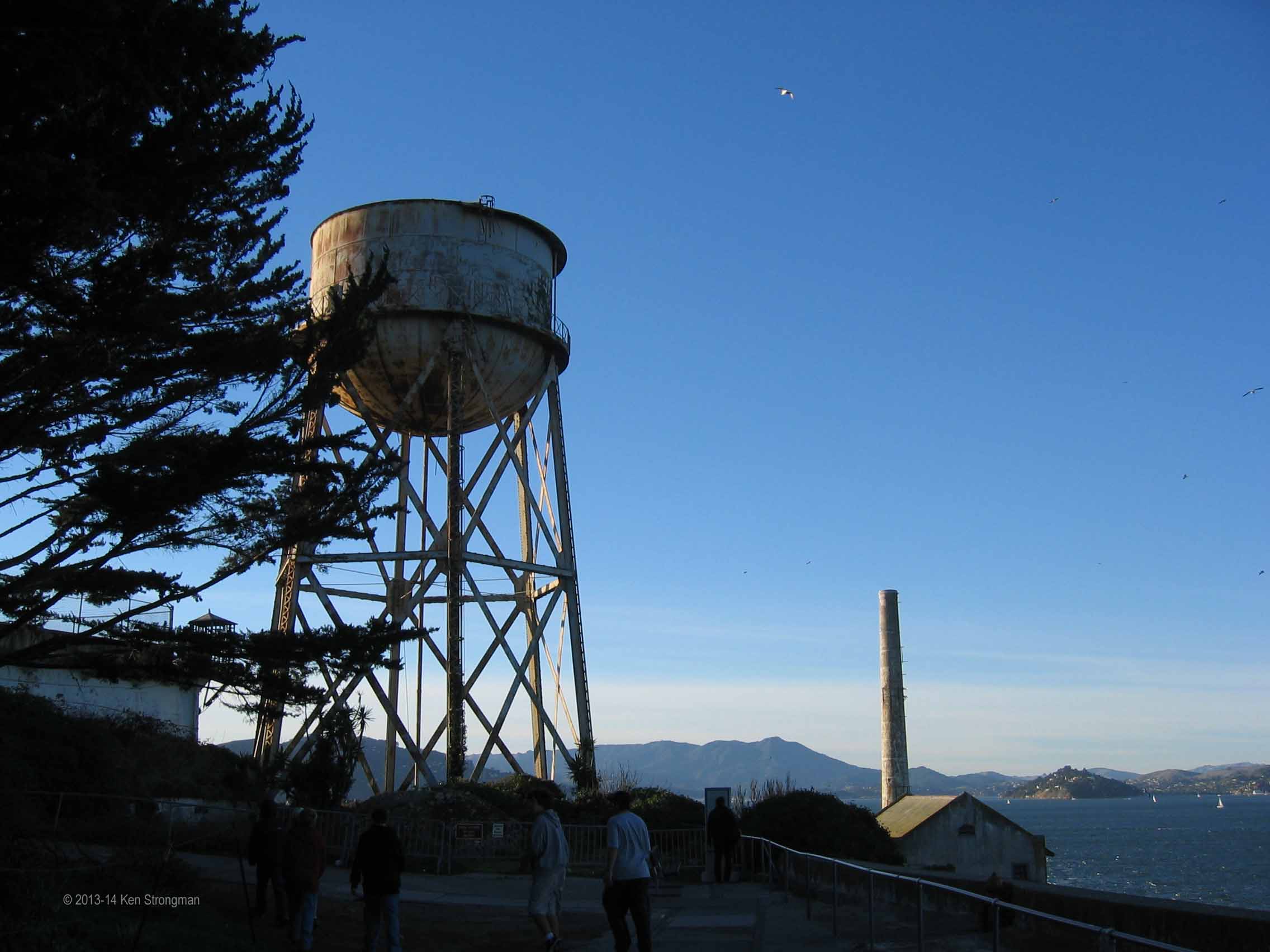
    Alcatraz at Dawn
    Alcatraz at Dawn

    What Murderers Can Teach Us about Mediation

    What Murderers Can Teach Us about Mediation was the title of Doug Noll’s key note address to the ADR Section’s annual luncheon.  A more descriptive title might have been What Can Convict Women Serving 25-Life Sentences’ With Little Possibility of Parole in a Maximum Security Prison Teach Us About Getting Along Peacefully with Our Neighbors. 

    Doug Noll and Laurel Kaufer have worked with such women teaching them conflict resolution skills and teaching them how to teach the same skills to other prisoners.  It is hard to evaluate success in such a venture because most attempts at rehabilitation of prisons use recidivism rates to measure success.  Here there are no recidivism rates to measure because these women most likely will never be released.  But that is not to say that Doug and Laurel and the prisoners they work with don’t have success.  The women are duplicating the work among other prisoners.  Thanks to California Prison Realignment the program is growing and replicating itself in other prisons.

    This is part four of my interview with Doug Noll.

    How is Prison of Peace financed? or How do you pay for peacemaking?

    Prison of Peace remains a pro bono effort of two lawyers unassociated with any organization, law firm, faith community, or group. We pay for everything out of our own pockets, including photocopying expenses, pens, paper pads, flip charts, and travel expenses.

    We have received some grants, including $20,000 from the JAMS Foundation, to cover some of our costs. However, we have found that most foundations are not interested in supporting self-help work for inmates serving life sentences. In particular, women serving life sentences seem to be invisible in our society in general and philanthropic foundations in particular. We have a drawer full of rejections.

    The Department of Corrections and Rehabilitation is well aware of our project, but because of budget cuts has no money to support us.

    Tax-deductible charitable gifts may be made to our 501(c)(3) fiscal agent, the Fresno Regional Foundation, in Fresno, California.

    Do you need volunteers? Why not?

    At the moment, we do not have the infrastructure or finances to support a volunteer organization. Recruiting, training, scheduling, coordinating, and evaluating volunteers is

    a full-time job by itself. We simply do not have the ability to do that. In addition, this work is extremely intense and requires complete and total dedication. When we say we will show up, we show up. There is no room for error here because the trust is so difficult to gain and so simple to lose. Thus, anyone interested in this work must recognize that it is a demanding calling.

    What about the online classes in negotiations?

    Because this work takes up so much time, it has cut into our ability to make livings as professional mediators. As a result, we have looked for other revenue sources. Out of this came the idea of developing advanced online legal negotiation training. I created a foundational course that is nine hours long called Negotiation Mastery for the Legal Pro www.legalpronegotiator.com. I have followed that with a master class webinar series in negotiation. All of the proceeds from the nine hour course and the webinars support the project. The course and the webinars are all MCLE approved in California. Information about the course and the webinars can be found at www.legalpronegotiator.com.

    In 2014, I will be launching a new series of online classes for the general public. These webinars and classes will duplicate what we teach in the prisons. We hope to spread the word about these powerful techniques we have developed and provide another revenue stream to support the work. The website for that project is www.negotiateacenteredlife.com.
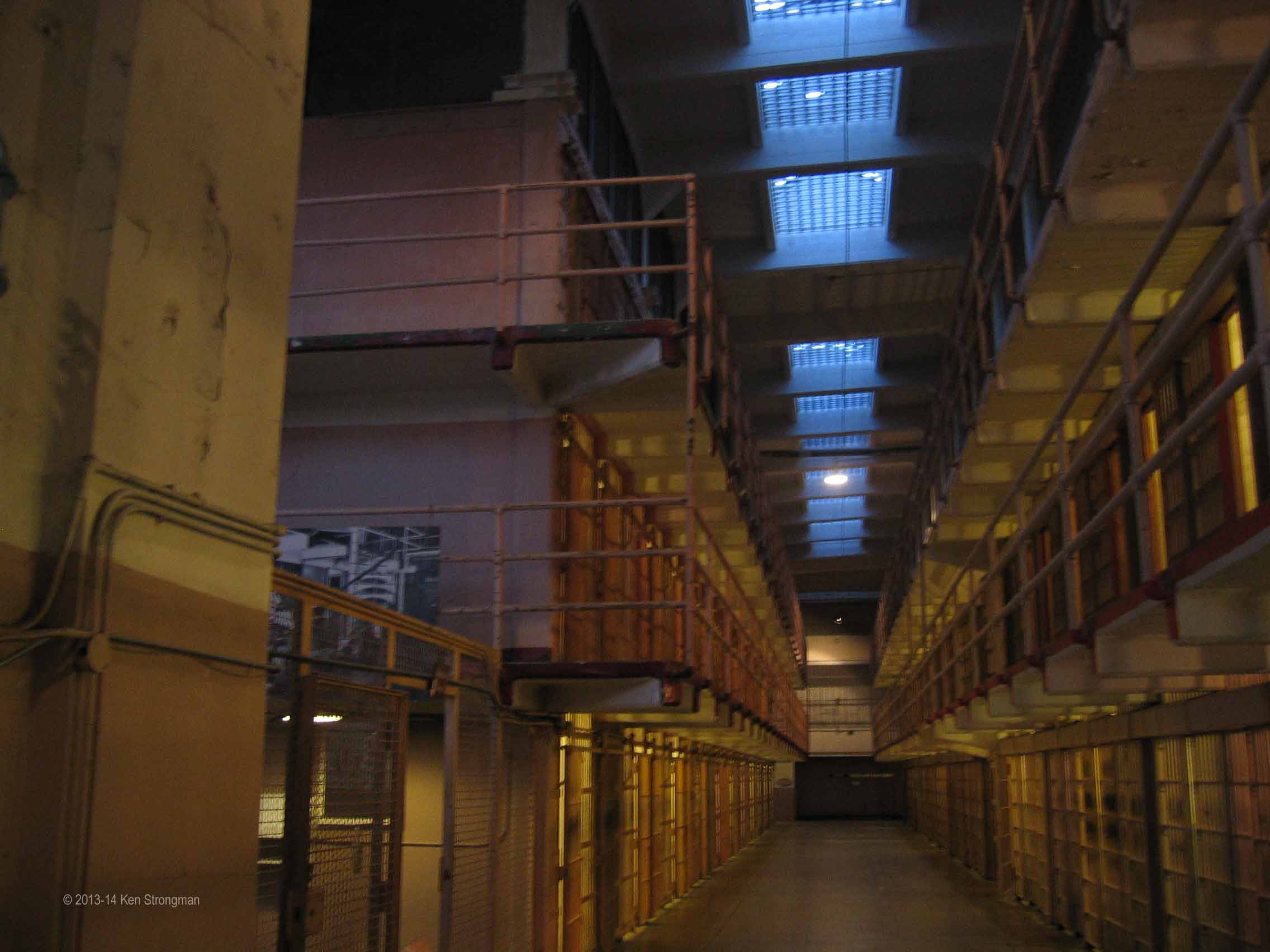
    Alcatraz's Broadway by ourselves at night.
    Alcatraz’s Broadway by ourselves at night.

    Ken Strongman, MediatorAbout the Author: Ken Strongman (www.kpstrongman.com) has years of experience and a growing national reputation as a mediator and arbitrator.  He has successfully resolved more than a thousand disputes in the fields of construction defects, real estate, intellectual property, and employment.  He is also a Mediator and Arbitrator for FINRA.

    © 2020 Ken Strongman. All Rights Reserved. Please do not copy or repost without permission.
  • How do you evaluate success of peacemaking?

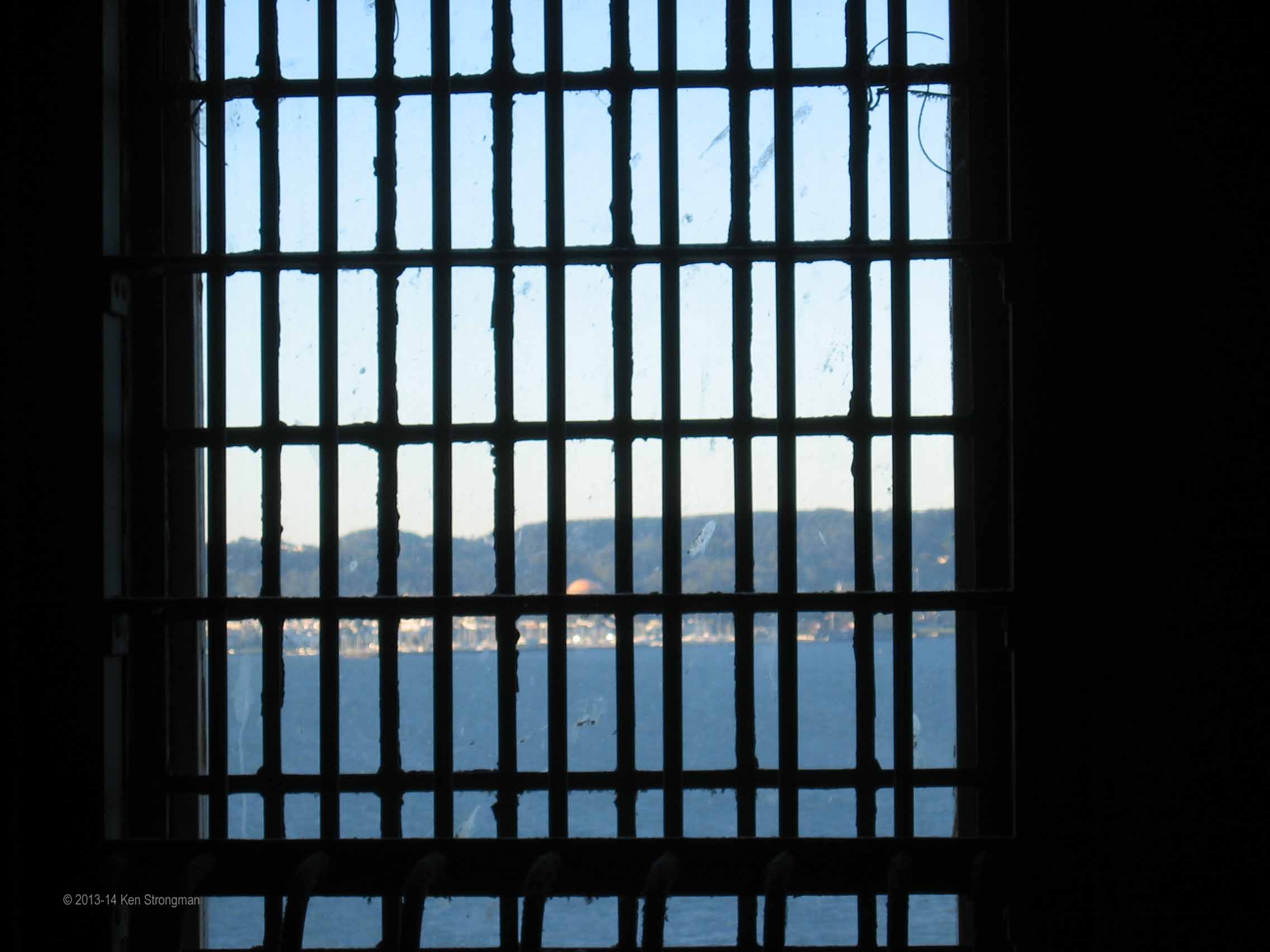
    Alcatraz, view from camp site.
    Alcatraz, view from camp site.

    How do you evaluate success of peacemaking?

    This is part three of my interview with Doug Noll detailing his work with Prison of Peace and his work with female murderers serving in California prisons. 

    Doug Noll and Laurel Kaufer have worked with such women teaching them conflict resolution skills and teaching them how to teach the same skills to other prisoners.  It is hard to evaluate success in such a venture because most attempts at rehabilitation of prisons use recidivism rates to measure success.  Here there are no recidivism rates to measure because these women most likely will never be released.  But that is not to say that Doug and Laurel and the prisoners they work with don’t have success.  The women are duplicating the work among other prisoners.  Thanks to California Prison Realignment the program is growing and replicating itself in other prisons.

    How do you gauge success?

    As we were designing the project, we consulted with sociologists at Berkeley and UC Irvine. It became clear that setting up research protocols to measure outcomes empirically and quantitatively would be impossible. There were simply too many variables. Thus, we have used qualitative evaluations from the participants themselves to determine the effectiveness of our teaching. In addition, because the participants must engage in actual peacemaking work and write up each conflict, we have a large set of qualitative data.

    The inmates report to us that the violence in their prisons has been reduced. We have received unsolicited letters from prison officials confirming the reduction in violence. We have heard hundreds of stories of how our peacemakers and mediators have worked. From stopping incipient prison gang riots to dealing with the aftermath of rape, our mediators have stepped up.

    As an unintended effect of the project, we have seen the personal transformation of many inmates. The power of becoming a peacemaker, not only allows them to live a life of service, but requires them to change in dramatic ways internally. We never expected to see the transformations that we have witnessed.

    Examples of success – or failures?

    Success or failure in a project like this is very subjective. As trainers and coaches, we do not get to witness the inmates working to resolve conflicts in their communities. We only get to see the write ups and hear the stories after the fact. As with any conflict, there are occasional failures. However, as we experience in the outside world, the successes are far more common.

    I find it impossible to describe in words the successes I have heard about. For readers interested in hearing the women speak directly, go to the Prison of Peace website www.prisonofpeace.org and watch the videos on the Press & Media page.

    Alcatraz camp site
    Alcatraz camp site

    Ken Strongman, MediatorAbout the Author: Ken Strongman (www.kpstrongman.com) has years of experience and a growing national reputation as a mediator and arbitrator.  He has successfully resolved more than a thousand disputes in the fields of construction defects, real estate, intellectual property, and employment.  He is also a Mediator and Arbitrator for FINRA.

    © 2020 Ken Strongman. All Rights Reserved. Please do not copy or repost without permission.

  • What’s it like working with women prisoners serving life sentences?

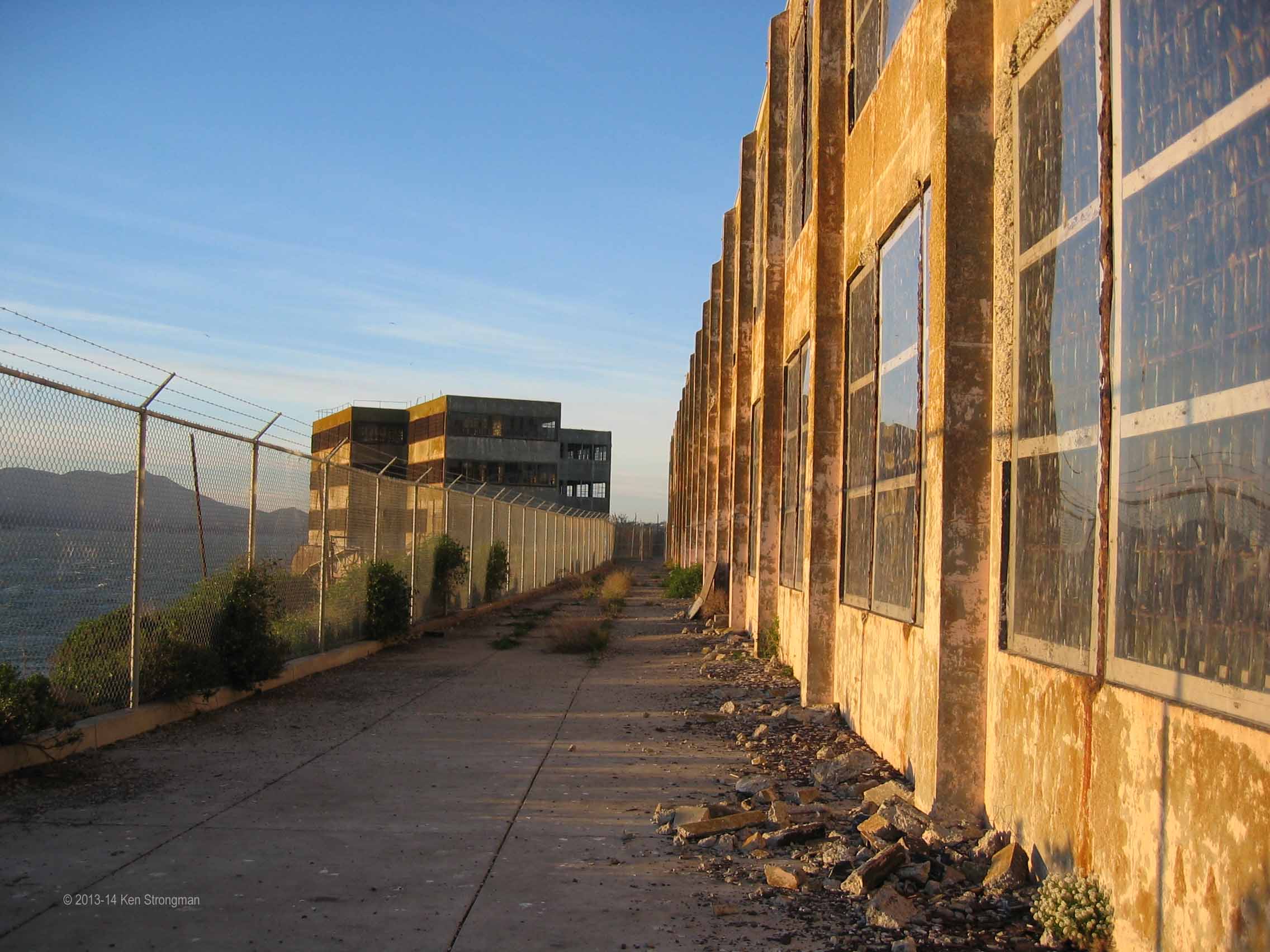
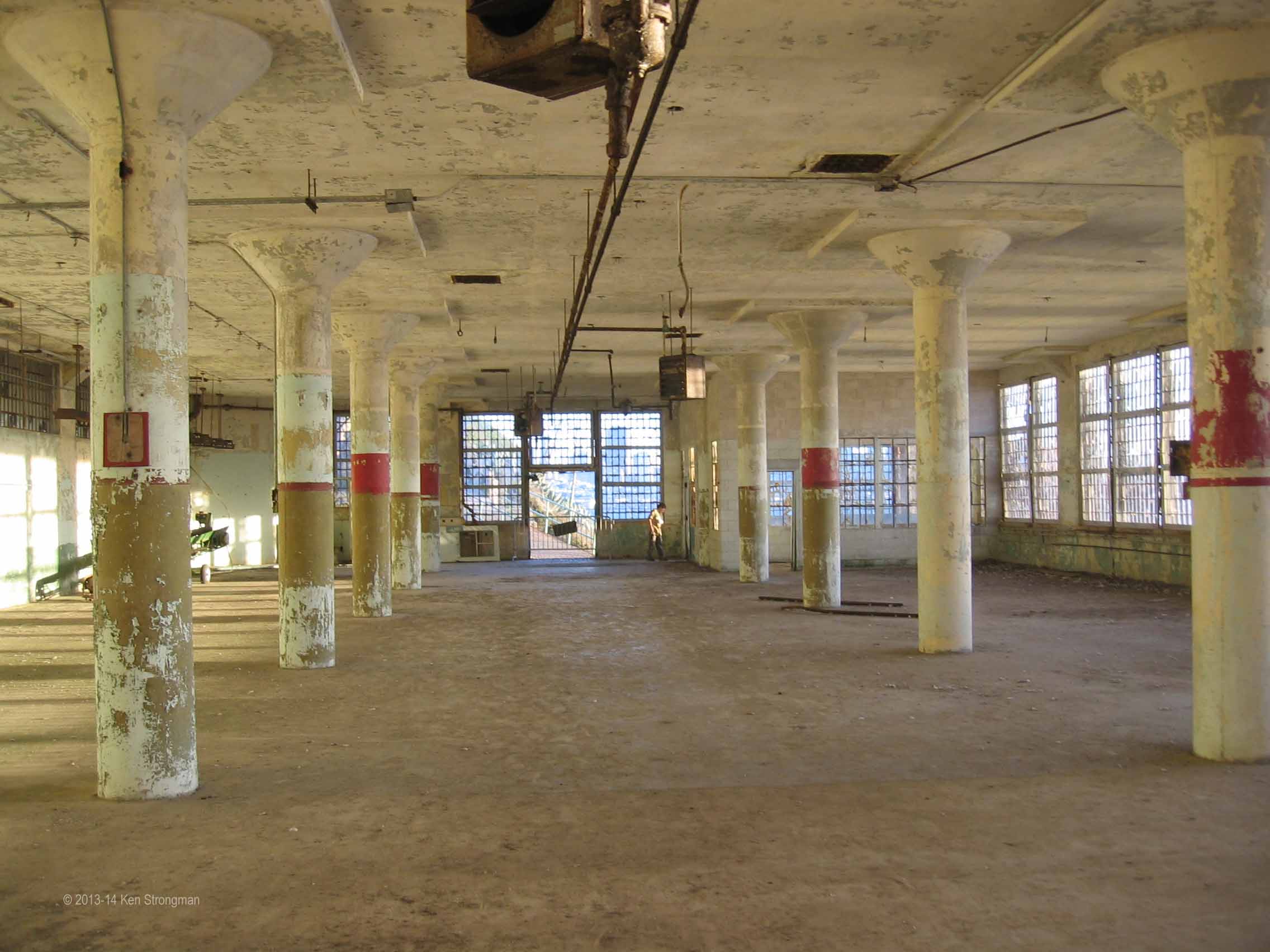
    Alcatraz Industrial Building - Camping Trip working
    Working with prisoners

    What’s it like working with women prisoners serving life sentences?

    This is part two of my interview with Doug Noll detailing his work with Prison of Peace and his work with female murderers serving in California prisons. 

    Doug Noll and Laurel Kaufer have worked with such women teaching them conflict resolution skills and teaching them how to teach the same skills to other prisoners. 

    What was the first session like?

    Laurel and I were both very experienced mediation trainers. Both of us had worked both nationally and internationally in a variety of contexts. However, neither one of us had ever worked in a maximum security prison. In fact, our first visit to Valley State Prison for Women was the first time either of us had been in a prison. Both of us had been civil trial lawyers before turning to mediation, with little experience in the criminal system.

    Our first group of women, 17 in all, included a variety of ethnic, religious, socioeconomic, educational, and geographical backgrounds. Their ages ranged from late 20s to late 60s. They were all serving life sentences or very long-term sentences. Every one of them had killed another human being.

    Being a second degree black belt in a northern Chinese kung fu martial arts style, I was not particularly fearful of my physical safety. I was mostly concerned about whether or not these women were willing to do the hard work it would take to transform into effective peacemakers and mediators. I was not sure it would work. The women were shut down, skeptical, and seemingly distant. They proved me to be very, very wrong. They turned out to be some of the most amazing human beings I have ever worked with.

    What did you learn about your self?

    I finally learned how to be deeply humble. These women, and all of the subsequent inmates we have trained, have done horrible things. But they have also had horrible things done to them. As a large, dominant, white, Anglo-Saxon, Protestant, lawyer male, I was evil incarnate to these women. I had to learn deep humility to gain their trust and respect. It was and has been one of the most transformative experiences of my life.

    How is Prison of Peace set up to replicate itself?

    We decided as we designed the curriculum that the project had to be built to become self-sustaining. Thus, we chose to work with lifers, because we knew they would be imprisoned for a long time. The model we have developed takes life inmates, trains them as peacemakers, then as mediators, and then as trainers. To become a trainer requires over 300 hours of classroom training, and countless hours of homework, reading, and clinical practice. Our trainers train the general population in peacemaking skills. Once we have established a training cadre in a prison, we turn the project over to them. We support them with advanced skills training, problem-solving, and support.

    It generally takes two years to embed Prison of Peace into a prison. In terms of billable hours, if we were billing at $300 per hour, the cost would be in excess of $750,000 per prison. We pay for all the costs out of our own pockets, including gas, lodging, meals, photocopying, and the like.

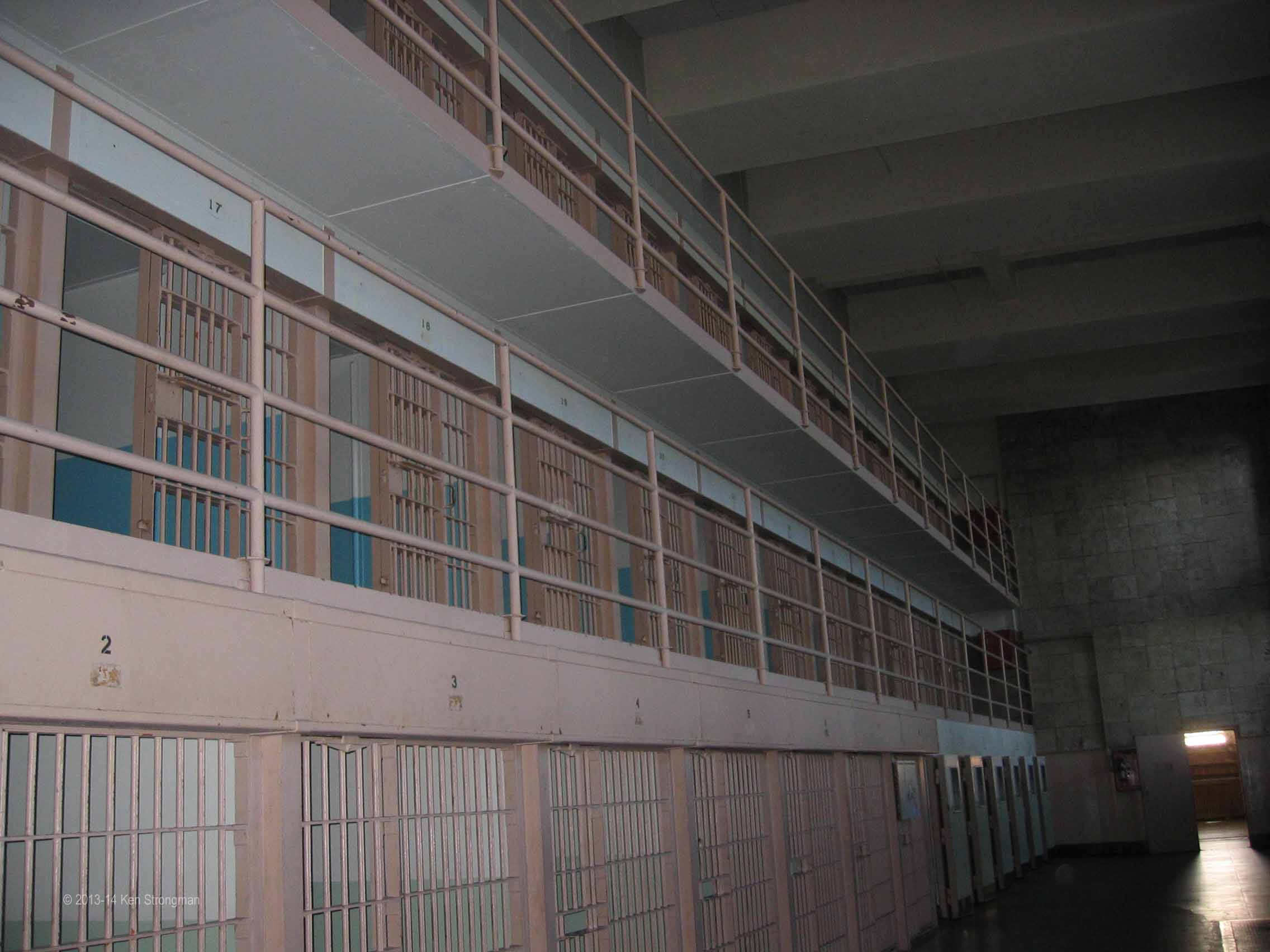
    Alcatraz Camp Site - Cell Block D.
    Alcatraz Camp Site – Cell Block D.

    Ken Strongman, MediatorAbout the Author: Ken Strongman (www.kpstrongman.com) has years of experience and a growing national reputation as a mediator and arbitrator.  He has successfully resolved more than a thousand disputes in the fields of construction defects, real estate, intellectual property, and employment.  He is also a Mediator and Arbitrator for FINRA.

    © 2020 Ken Strongman. All Rights Reserved. Please do not copy or repost without permission.
  • Can Female Murderers Find Peace?

    Alcatraz Camping Trip murderers
    Can Murderers Find Peace?

    Can Female Murderers Find Peace?

    Recently I was asked to write an article for a law journal about Doug Noll and Prison of Peace detailing his and Laurel Kaufer’s work with female murderers serving in California prisons.  My interview with Doug was quite enlightening.  Over the next few weeks I will be sharing highlights from our interview.  Here is part one.

    What is Prison of Peace?

    Prison of Peace is a pro bono project that teaches life inmates in California prisons to be peacemakers and mediators within their prison communities. It is currently operating in three California prisons, including the Central California Women’s Facility, Valley State Prison, and the California Institute for Women. In addition, the project is expanding in 2014 into Los Angeles County juvenile facilities.

    How did it start?

    The project started with a letter from an inmate at the old Valley State Prison for Women. She wrote 50 letters to mediators across California asking for someone to teach her Networking Group basic mediation skills. The Networking Group comprised 100 women serving life sentences. They were interested in reducing the violence and conflict in their prison community. At the time, Valley State Prison for Women was regarded as the largest, most dangerous women’s prison in the world. The problem was that young women coming in from the gangs were disrupting daily lives. Most of the time, the guards could not prevent violence. The lifers realized that if they wanted peace, they had to create it themselves.

    How did you get involved? 

    As far as we can tell, 49 of the requests were rejected. The 50th letter landed in Laurel Kaufer’s mail box. Laurel opened the curious-looking envelope from the state prison, read the letter, and without even leaving her mailbox, called me on her cell phone. She read the letter to me and asked me what I thought. Without hesitation, I said, “if this is for real, I think we should do it.”

    Why did you say, yes?

    There was something about this request that resonated deeply within me. At a practical level, I knew that there would be a lot of sacrifice as this was to be a purely pro bono project. But at a deeper level, I saw this as an opportunity to prove the true power of peacemaking. Ever since leaving the practice of law, I had faced ridicule, skepticism, and outright hostility towards the idea of a lawyer turned peacemaker. It was too soft. It was too Kumbayah.. It was completely impractical. It would never work. It might work for those other folks, but it will never work in my conflict. Objection after objection and scorn heaped upon scorn was my fate for deciding to turn away from litigation and become a peacemaker. Mind you, I am a secular human being. My concept of peacemaking is nothing like what religious people think peacemaking is about. I also recognize that the term peacemaking carries a lot of baggage. However, it truly does describe the work of transforming conflict. I thought that this project might be the perfect opportunity to demonstrate to all the naysayers that practical peacemaking was powerful. If I could teach murderers to be peacemakers, who could rationally deny the power of the process and the techniques?

    Alcatraz Camping Trip - Side Yard
    Alcatraz

    Ken Strongman, MediatorAbout the Author: Ken Strongman (www.kpstrongman.com) has years of experience and a growing national reputation as a mediator and arbitrator.  He has successfully resolved more than a thousand disputes in the fields of construction defects, real estate, intellectual property, and employment.  He is also a Mediator and Arbitrator for FINRA.

    © 2020 Ken Strongman. All Rights Reserved. Please do not copy or repost without permission.