Tag: Construction Defect

  • Unveiling Conflict Resolution: Understanding Essential Needs

    Unveiling Conflict Resolution: Understanding Essential Needs

    Needs – Needs are physical requirements essential to our well-being.

    In the realm of conflicts, one crucial element reigns supreme: needs. Picture conflicts as intricate recipes—needs, perceptions, power dynamics, values, and emotions form the quintessential ingredients. Yet, amidst this complex concoction, needs stand as the foundational component, driving the essence of every conflict scenario.

    Needs are fundamental physical requisites that underpin our well-being. When these necessities clash, conflicts emerge, whether it’s the disregard for others’ needs, neglecting our own, or overlooking group requirements. It’s pivotal not to conflate needs with desires; while desires are aspirations, needs are vital for survival.

    As conflicts reach their boiling points, needs often get obscured by the other conflict ingredients, becoming lost or buried. Hence, investing time to identify these needs becomes paramount, serving as a crucial step in conflict resolution.

    Navigating conflicts demands a keen understanding of their underlying needs. As a seasoned mediator, Ken Strongman specializes in unraveling these complexities. Are you ready to unlock the pathway to resolution? Reach out to Ken Strongman today, and take the first step towards transformative conflict resolution. Your journey to harmonious resolutions begins now!

    About the Author: Ken Strongman (www.kpstrongman.com) is a private commercial mediator/arbitrator of complex, high risk litigated cases since 2004. Disputes addressed include business, securities, construction defects, real estate, intellectual property, employment, environment, energy, and trusts & estates. He is also a Mediator and Arbitrator for FINRA and president of The Mediation Society.

    #ADR #mediators #mediation #conflict #lawsuit #construction #construction #legal #alternativedisputeresolution #negociation #dispute #finra #themediationsociety #securities

    © 2025 Ken Strongman. All Rights Reserved. Please do not copy or repost without permission.
  • The Role of a Commercial Mediator

    The Role of a Commercial Mediator

    commercial mediator
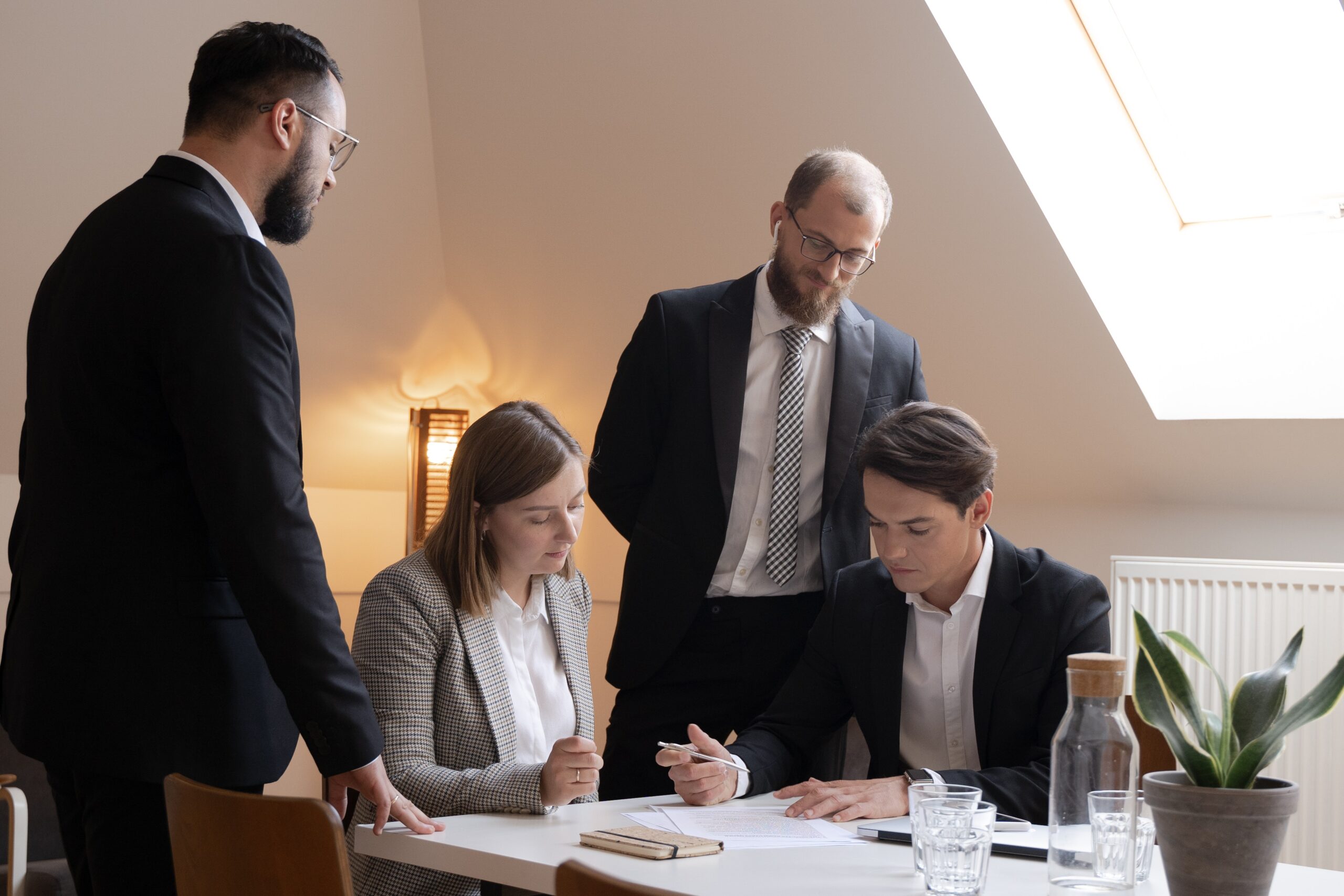
    Commercial Mediator – pexels-khwanchai-phanthong-4175023.jpg

    In today’s business world, disputes and conflicts are a common occurrence. When parties in a commercial dispute cannot find a resolution on their own, they often turn to a commercial mediator for assistance such Ken Strongman. As a commercial mediator he is a neutral third party who facilitates communication and negotiation between the parties to help them reach a mutually acceptable agreement. This blog post will discuss the role of a commercial mediator and how they can benefit your business.

    The Role of a Commercial Mediator

    The role of a commercial mediator is to help parties in a dispute reach a resolution that is mutually acceptable. The mediator does not take sides or make decisions for the parties. Instead, they facilitate communication and negotiation between the parties to help them find common ground. A commercial mediator’s role is to listen to both parties’ concerns and guide them towards finding a solution that meets their needs.

    Benefits of Using a Commercial Mediator

    Using a commercial mediator has many benefits for businesses. Here are a few:

    Saves Time and Money

    Commercial mediation is typically less expensive and time-consuming than going to court. Mediation can be scheduled at a time that is convenient for all parties involved, and it is often resolved within a few sessions.

    Preserves Relationships

    Mediation can help preserve business relationships that might otherwise be destroyed by the dispute. Since mediation focuses on finding a mutually acceptable solution, it is often easier for parties to continue working together after the dispute is resolved.

    Confidentiality

     Mediation is a private process, and the parties can agree to keep the details of the dispute confidential. This can be particularly important for businesses that want to avoid negative publicity or damage to their reputation. Confidentiality is enforced by law.

    Control

    Parties in mediation have more control over the outcome than they would in court. In mediation, the parties have the power to craft a solution that meets their unique needs and interests.

    Conclusion

    Commercial mediation is a valuable tool for businesses that are involved in a dispute. My role as a commercial mediator is to help parties communicate and negotiate in a way that leads to a mutually acceptable solution. By using a commercial mediator, such as myself, businesses can save time and money, preserve relationships, maintain confidentiality, and retain control over the outcome. If your business is involved in a dispute, consider using a commercial mediator like Ken Strongman, to help you find a resolution.

    About the Author: Ken Strongman (www.kpstrongman.com) is a private commercial mediator/arbitrator of complex, high risk litigated cases since 2004. Disputes addressed include business, securities, construction defects, real estate, intellectual property, employment, environment, energy, and trusts & estates. He is also a Mediator and Arbitrator for FINRA and president of The Mediation Society.

    #ADR #mediators #mediation #conflict #lawsuit #construction #construction #legal #alternativedisputeresolution #negociation #dispute #finra #themediationsociety

    © 2024 Ken Strongman. All Rights Reserved. Please do not copy or repost without permission.

  • Unveiling Conflict Resolution: Understanding Essential Needs

    Unveiling Conflict Resolution: Understanding Essential Needs

    In the realm of conflicts, one crucial element reigns supreme: needs. Picture conflicts as intricate recipes—needs, perceptions, power dynamics, values, and emotions form the quintessential ingredients. Yet, amidst this complex concoction, needs stand as the foundational component, driving the essence of every conflict scenario.

    Needs are fundamental physical requisites that underpin our well-being. When these necessities clash, conflicts emerge, whether it’s the disregard for others’ needs, neglecting our own, or overlooking group requirements. It’s pivotal not to conflate needs with desires; while desires are aspirations, needs are vital for survival.

    As conflicts reach their boiling points, needs often get obscured by the other conflict ingredients, becoming lost or buried. Hence, investing time to identify these needs becomes paramount, serving as a crucial step in conflict resolution.

    Navigating conflicts demands a keen understanding of their underlying needs. As a seasoned mediator, Ken Strongman specializes in unraveling these complexities. Are you ready to unlock the pathway to resolution? Reach out to Ken Strongman today, and take the first step towards transformative conflict resolution. Your journey to harmonious resolutions begins now!

    About the Author: Ken Strongman (www.kpstrongman.com) is a private commercial mediator/arbitrator of complex, high risk litigated cases since 2004. Disputes addressed include business, securities, construction defects, real estate, intellectual property, employment, environment, energy, and trusts & estates. He is also a Mediator and Arbitrator for FINRA and president of The Mediation Society.

    #ADR #mediators #mediation #conflict #lawsuit #construction #construction #legal #alternativedisputeresolution #negociation #dispute #finra #themediationsociety

    © 2024 Ken Strongman. All Rights Reserved. Please do not copy or repost without permission.
  • The ingredients of any conflict – Power

    Power
    Power is an ingredient of conflict

    The ingredients of any conflict is power

    The ingredients of any conflict is power. All conflicts have similar ingredients. They may vary in degree but most are present in some way. The main ingredients are Needs, Perceptions, Power, Values, and Feelings and Emotions. Today, I am focusing on power.

    Power – How people define and use power is an important influence on the number and types of conflicts that occur. This also influences how conflict is managed. Conflicts can arise when people try to make others change their actions or to gain an unfair advantage.

    Power is a powerful human motivation. In difficult conflicts, there are only two real reasons we as humans act.

    One is for stimulation.

    The other and more important one is to establish the perception of control of the situation.

    We are all looking for control of our situation. Everyone wants to establish or reestablish the perception of control.
    For an experienced Mediator to help negotiate a resolution to your dispute contact Ken Strongman. Here.

    Ken StrongmanAbout the Author: Ken Strongman, is a private commercial mediator/arbitrator of complex, high risk litigated cases since 2004. Disputes addressed include business, securities, construction defects, real estate, intellectual property, employment, environment, energy, and trusts & estates. He is also a Mediator and Arbitrator for FINRA.

    **For the last decade I’ve been involved with leadership development of tomorrow’s leaders. Using my expertise, I am training the youth leaders in conflict resolution. This blog is adapted from my training materials.

    © 2022 Ken Strongman. All Rights Reserved. Please do not copy or repost without permission.

  • Values – One of The ingredients of any conflict

    Values
    Values are important in conflicts

    The ingredients of any conflict – Values

    Values are important within any conflict.

    All conflicts have similar ingredients. They may vary in degree but most are present in some way. The main ingredients are Needs, Perceptions, Power, Values, and Feelings and Emotions. Today, I am focusing on values.

    Values are beliefs or principles we consider to be very important. Serious conflicts arise when people hold incompatible values or when values are not clear. Conflicts also arise when one party refuses to accept the fact that the other party holds something as a value rather than a preference. To resolve the conflict, clarify each party’s values.

    Values influence perceptions and at times it is hard to distinguish the two concepts. In resolving conflicts, it is easier to equate the two in order to bring resolution. Just be aware that values influence perceptions.

    Just looking at a common definition of the word will help: the regard that something is held to deserve; the importance, worth, or usefulness of something. Likewise – a person’s principles or standards of behavior; one’s judgment of what is important in life. Useful synonyms: principles, ethics, moral code, morals, standards, code of behavior.

    For an experienced Mediator to help negotiate a resolution to your dispute contact Ken Strongman. Here.

    Ken StrongmanAbout the Author: Ken Strongman, is a private commercial mediator/arbitrator of complex, high risk litigated cases since 2004. Disputes addressed include business, securities, construction defects, real estate, intellectual property, employment, environment, energy, and trusts & estates. He is also a Mediator and Arbitrator for FINRA.

    **For the last decade I’ve been involved with leadership development of tomorrow’s leaders. Using my expertise, I am training the youth leaders in conflict resolution. This blog is adapted from my training materials.

    © 2021 Ken Strongman. All Rights Reserved. Please do not copy or re-post without permission.

  • Ingredients of conflict – Perceptions

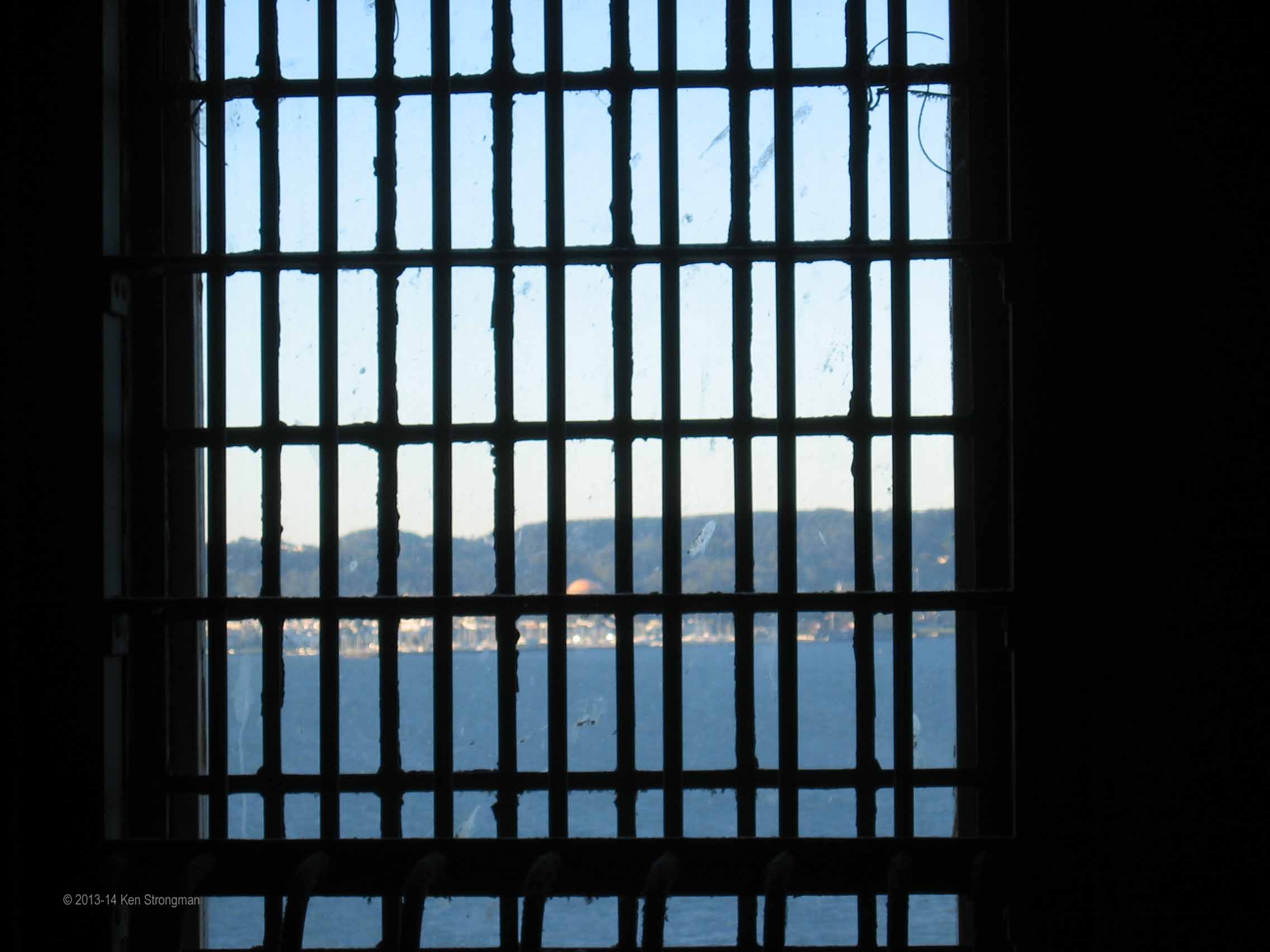
    Perceptions out the window of alcatraz.
    Perceptions are important

    The ingredients of any conflict – Perceptions

    Perceptions are part of any conflict. All conflicts have similar ingredients. They may vary in degree but most are present in some way. The main ingredients are Needs, Perceptions, Power, Values, and Feelings and Emotions. Today, I am focusing on perceptions.

    Perceptions – All humans interpret reality differently. They perceive differences in the severity, causes and consequences of problems. Misperceptions or differing perceptions may come from: self-perceptions, others’ perceptions, differing perceptions of situations and perceptions of threat. How something is framed will affect its perception. So in conflict resolution, reframing is an important task to get to a solution.

    Just by observing the news of the world, we can easily see that different people perceive a situation totally differently. The perceptions are influenced by different histories, geographic locations, religious values, etc. They are what we all bring to the table.

    For an experienced Mediator to help negotiate a resolution to your dispute contact Ken Strongman. Here.

    Ken StrongmanAbout the Author: Ken Strongman, is a private commercial mediator/arbitrator of complex, high risk litigated cases since 2004. Disputes addressed include business, securities, construction defects, real estate, intellectual property, employment, environment, energy, and trusts & estates. He is also a Mediator and Arbitrator for FINRA.

    © 2021 Ken Strongman. All Rights Reserved. Please do not copy or re-post without permission.

    **For the last decade I’ve been involved with leadership development of tomorrow’s leaders. Using my expertise, I am training the youth leaders in conflict resolution. This blog is adapted from my training materials.

  • Needs: an ingredient of any conflict

    Alcatraz Camping Trip needs
    Ingredients of any conflict – Needs

    Needs are ingredients of any conflict. All conflicts have similar ingredients. They may vary in degree but most are present in some way. The main ingredients are needs, perceptions, power, values, and feelings and emotions. Today, I am focusing on needs.

    Needs – Needs are physical requirements essential to our well-being. Conflicts arise when we ignore others’ needs, our own needs or the group’s needs. It is important to not confuse needs with desires. Desires are the things we would like to have but are not essential to our survival.

    By the time it is necessary to resolve a conflict; usually the needs are lost or hidden by the other ingredients of the conflict. Therefore it is important to spend time ascertaining those needs.

    For an experienced Mediator to help negotiate a resolution to your dispute contact Ken Strongman. Here.

    Ken StrongmanAbout the Author: Ken Strongman, is a private commercial mediator/arbitrator of complex, high risk litigated cases since 2004. Disputes addressed include business, securities, construction defects, real estate, intellectual property, employment, environment, energy, and trusts & estates. He is also a Mediator and Arbitrator for FINRA.

    © 2021 Ken Strongman. All Rights Reserved. Please do not copy or repost without permission.
    **For the last decade I’ve been involved with leadership development of tomorrow’s leaders. Using my expertise, I am training the youth leaders in conflict resolution. This blog is adapted from my training materials.

  • Podcast – Final question: Mediation is conflict at its best.

    Civil Engineeering

    Podcast – Final question: Mediation is conflict at its best.

    What do you mean when you say: Mediation is conflict at its best? This was the final question Chris Knutson, PE asked in our podcast from Stuttgart, Germany. The podcast was a wide ranging discussion of how civil engineers could use mediation to resolve disputes in construction.

    Here are the links to the Podcast:

    Web Down Load

    iTunes link

    The final question of the podcast that Chris Knutson, PE asked:

    What do you mean by the byline on my website: “Mediation is conflict at its best”?

    To answer that I will have to give you a little history. Throughout history societies have developed and used mediation to resolve problems. Somehow in the last hundred years the USA has only focused on litigation to solve problems. That is why we are considered a very litigious society.
    In the sixties, the hippies rebelling against the “Establishment”, rediscovered mediation as a means to solve problems. Their intent was to eliminate all conflict. Don’t forget the whole idea was to have peace.
    Around the same time the business community (and I lump engineers into this group), were facing an average time of five years of litigation just to get to trial. This was expensive and counterproductive. They also started to experiment with mediation as a way to quickly resolve disputes. They also recognized that you could never get rid of all conflict you could only manage conflict in better ways.
    For myself, mediation does have conflict in it that must reach a conclusion. But it is controlled so that it does not get out of hand. A better solution comes from the recognition that conflict is part of our lives and that through mediation you can control the outcome of the conflict. Therefore: Mediation is conflict at its best.
    Ken_Strongman_003smAbout the Author: Ken Strongman (www.kpstrongman.com) has years of experience and a growing national reputation as a mediator and arbitrator. He has successfully resolved more than a thousand disputes in the fields of construction defects, real estate, intellectual property, and employment. He is also a Mediator and Arbitrator for FINRA.
    © 2020 Ken Strongman. All Rights Reserved. Please do not copy or repost without permission.
  • Podcast – Does Mediation solve Civil Engineering and Construction disputes?

    Civil Engineeering

    Podcast – Does Mediation solve Civil Engineering and Construction disputes?

    Chris Knutson, P.E. of the Engineering Career Coach questioned me: Does Mediation solve civil engineering and construction disputes? While he was in Stuttgart, Germany and I in California we tackled that question and more. With over 750,000 downloads under their belt, I was honored to answer their questions.

    Here’s the links to the podcast.

    Web Down Load

    iTunes link

    Here are more detailed answers to some of their questions:

    From your experience, how successful is mediation for resolving civil engineering and construction disputes? What happens if a mediation doesn’t produce an agreed upon resolution?

    I’m a little bias in my response. I find mediation to be very successful in resolving disputes.
    If the mediation does not create a settlement that is satisfactory to all of the key decision makers, it has reached an impasse. At that point, we might try to create a partial agreement. If not a partial agreement, we might schedule another mediation session. I will do follow up to see if the parties can come to an agreement or schedule another session. I am finding that it is common to have several sessions particular in complex cases. Without an agreement, it is as if the mediation never took place. The parties are free to seek other solutions to the dispute.

    What does a mediation look like…who’s involved…what might one expect as it unfolds? (In other words, who hears the mediation, who is typically involved, how long do they typically last)

    First of all, the mediator is not a judge. All of the stakeholders/decisions makers need to hear all sides off the dispute and solve it on their own terms The mediator is there to facilitate the process.
    The mediation really starts with the first contact to the mediator. There may be multiple conversations jointly or separately with the mediator before the mediation session. This period of time also includes a mediation brief outlining each party’s description of the dispute, plus their goals and needs.
    On the day of the mediation, I usually begin with a group session where I outline the process that we will engage in during the day. We also start with introductions of the parties and a statement of their opinion of why we are in a dispute. We also start to develop a complete list of issues that need to be resolved.
    At some point, we will break out in separate rooms so that I can have private conversations with each party. This will continue until we develop a settlement agreement.Less complicated issues can take a day or less. The bigger the project and the more stakeholders involved will lengthen the time to reach an agreement. It might be several days.

    What are some of the qualifications a good mediator?

    • Able to quickly build trust and confidence.
    • Excellent inter-personal skills: Patience and a sense of humor.
    • Creativity in assisting parties and counsel in shaping a solution.
    • Willing to do everything they can to encourage and assist in settlement.
    • Being prepared for your mediation.

    How does a mediation start? Does it have to be included in a contract to be a method of conflict resolution, or can both parties agree to follow it versus litigation or arbitration?

    Mediation can be done at any point in the dispute.
    • It can be pre-litigation. In other words, no lawsuit has been filed. If there is a dispute resolution board put into place, it will happen throughout the project as needed.
    • Mediation can run parallel to litigation and arbitration. And can even be done post judgment.
    • It does not have to be part of the contract. If it is part of the contract, the contract should spell out how mediation is started.
    • If the contact specifies a specific provider that is not necessarily final. If the parties agree, you can use another provider such as myself.
    Ken Strongman, MediatorAbout the Author: Ken Strongman (www.kpstrongman.com) has years of experience and a growing national reputation as a mediator and arbitrator. He has successfully resolved more than a thousand disputes in the fields of construction defects, real estate, intellectual property, and employment. He is also a Mediator and Arbitrator for FINRA.
    © 2020 Ken Strongman. All Rights Reserved. Please do not copy or repost without permission.

  • Podcast – How do engineers prepare for mediation?

    Civil Engineeering

    Podcast – How do engineers prepare for mediation?

    How does an civil engineer prepare for mediation? With over 750,000 downloads of the Engineering Career Coach’s podcast, I was honored to be interviewed regarding the use of mediation in civil engineering and construction disputes by Chris Knutson, P.E.

    The link to the podcast:

    Web Down Load

     iTunes link

    It was a wide ranging interview and all that we talked about couldn’t be included in the podcast. Therefore the following is a more detailed question and answer:

    What sort of civil engineering or construction disputes typically go to mediation? What type of disputes would you say aren’t right for mediation and are better handled through litigation?

    Let me answer that in a roundabout way.
    In Fresno, California there is a court sanctioned program to mediate between the victims of crimes and the criminals. It is called a Victim Offender Reconciliation program. It is used to determine sentencing.
    A friend of mine is working in maximum security women’s prison teaching mediation techniques to the women sentenced to life so that they can mediate disputes within the prison.
    Last year I mediated a case in which the underlining dispute was murder.
    None of these have anything to do with engineering, but I don’t see any engineering dispute more difficult to resolve. I routinely deal with these types of disputes: employment, contract, professional liability, construction defect, and environmental issues.

    How many parties can participate in meditation? Are each represented by their own counsel?

    The simple answer is that all of the stakeholders in the dispute should be present. More specifically, each stakeholder’s decision makers should be present.
    The key purpose of mediation is for you and your opponent to tell their story as to why we are here at mediation. Everyone needs to see the other side; to listen to them; and to be heard by them. Don’t forget that body language also communicates aggressiveness or sincerity in finding a solution. All sides need to see and make a connection with each other. Communication is key to finding a solution.
    Others that may attend the mediation are the experts. They can be present to give analysis so that each side can judge the credibility of the others experts. You might also have financial accountants and tax advisers depending on the nature of the dispute. In more complex cases you might have computer simulations. Basically anyone who can assist your attorney in convincing the other side to your point of view should be part of your team.
    Usually, each side has legal representation. Do not forget insurance representatives. Make sure to involve them.
    Other candidates for attendance:
    • Insurance adjustors
    • Cumis counsel
    • CEO and/or HR Director
    • Silent partners in business
    • Investors
    • Overseas stakeholders

    How does a firm, or an individual, prepare for a mediation?

    There are four major steps in preparation for mediation.
    Preparing yourself, your Expectations and Realities.
    • You need to recognize that mediation may be your “best and only day in court.”
    • What do you intend to communicate at the mediation session?
    • Determine the goals, needs and interests.
    • Determine the Risks v. Benefits – emotional and economic.
    • Determine “Best alternative to a negotiated agreement.” and “Worst alternative to a negotiated agreement”.
    • Develop different “settlement scenarios”.
    • Finally – recognizing the other side’s interests.
    Preparing your attorney
    • Defining the issues with them
    • Make sure you both understanding the facts and the law.
    • Prepare a decision tree analysis, if helpful.
    • Find out how your attorney wants to show case you. This is important if the other side has never met you.
    Preparing the Opposition Attorney, Adjuster, CEO or Other Decision-Makers/Stakeholders
    • Don’t burn bridges! Be polite and collaborative. Seek a “win-win” solution.
    • Recognize that they are key players, have egos and have to justify any settlement with their bosses.
    • Make it easy for them to give you what you want. Don’t hide anything.
    • Provide all decision-makers with enough information well before the mediation session. Tell them what you want and why you want it.
    • Send copies of the mediation brief and other information to them with the request that it is sent to the adjuster and/or other stakeholders.
    Preparing the Mediator
    • Educate me!
    • Be willing to engage in pre-session teleconferences. Remember mediation is a process, not an event.
    • Make sure that the right people attend.
    • What discovery issues still remain unresolved?
    • Who do you want the opposition to bring to the mediation? The mediator may not be aware of the silent stakeholder or cumus council.
    • Consider site visits and other pre-session preparation. And that the mediator may talk to the adjustor, other stakeholders or witnesses.
    Ken_Strongman_003smAbout the Author: Ken Strongman (www.kpstrongman.com) has years of experience and a growing national reputation as a mediator and arbitrator. He has successfully resolved more than a thousand disputes in the fields of construction defects, real estate, intellectual property, and employment. He is also a Mediator and Arbitrator for FINRA.
    © 2020 Ken Strongman. All Rights Reserved. Please do not copy or repost without permission.