Starlings v Blueberries – Last Friday’s ABA Representation in Mediation Competition
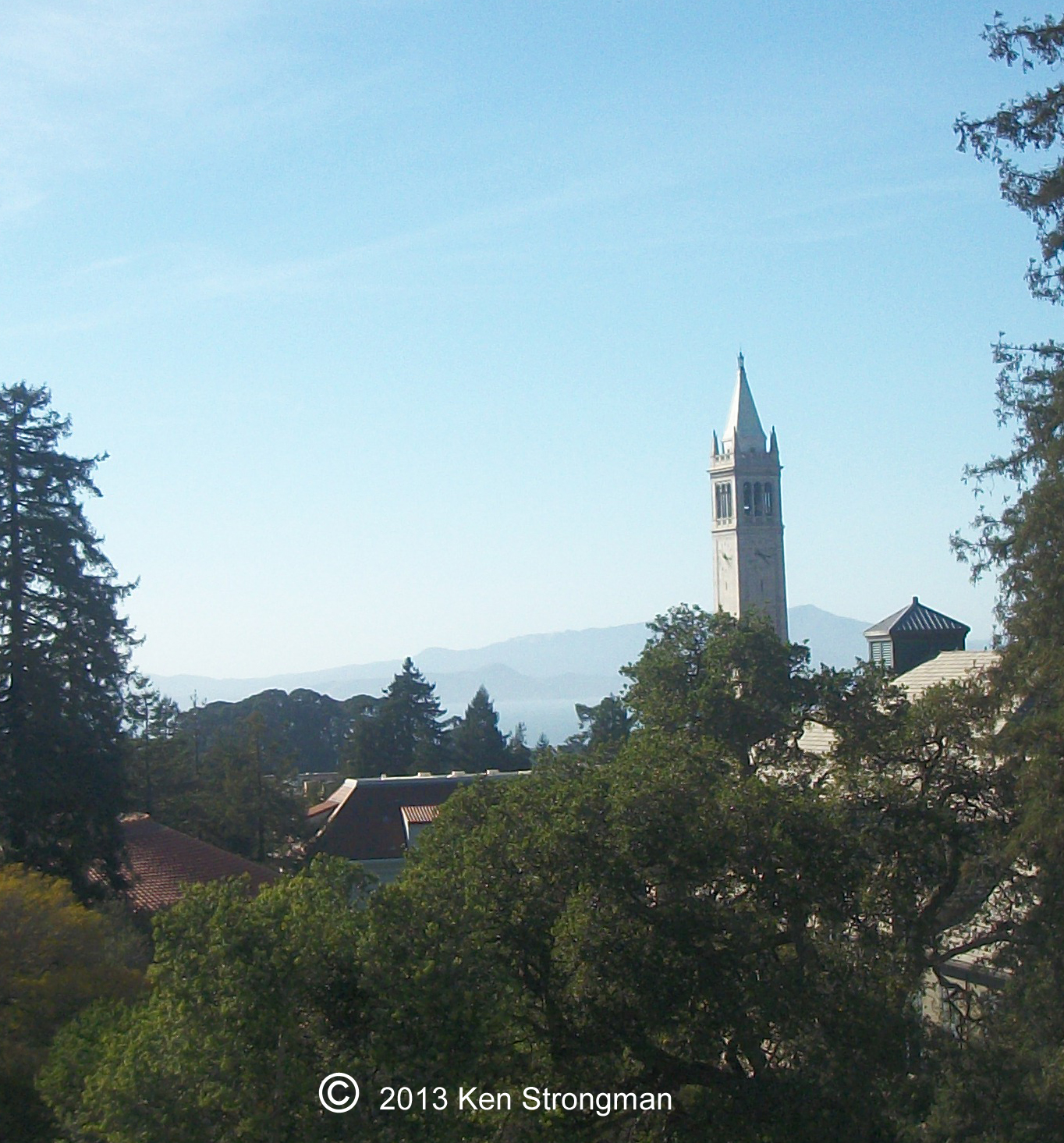
Last Friday I participated in the ABA Representation in Mediation Competition. I was one of the judges of the competition. It was a two day event held at Berkeley Law in Boalt Hall at the University of California, Berkeley Campus.
As Alternative Dispute Resolution (ADR) becomes more integrated in courts and pre-trial procedure, it has been my experience that attorneys will have all of their cases referred to these processes. Therefore, it is important that attorneys adequately represent their clients in this ADR environment. The competition was designed to acquaint the law student with advocacy in mediation. The focus of this competition is on attorney representation of clients in mediation. Judging criteria are geared toward examining the effective combination and use of advocacy and collaborative problem-solving skills.
The judging criterion was designed to reward those participants who use an effective combination of advocacy skills and a problem-solving approach in the mediation. The problem solving approach is defined as one in which negotiators learn about each other’s interests and BATNA (Best Alternative To A Negotiated Agreement), brainstorm options, and select and shape a solution that meets their interests and, where appropriate, objective standards. Participants were not expected to sacrifice their client’s interests in order to be collaborative.
The round that I judged consisted of a 75-minute mediation session involving a community dispute involving starlings and blueberries. At the close of the mediation session, there was a 10-minute period during which each team analyzed its performance in private, followed by a 20-minute self-analysis period (10 minutes per team) for each team to evaluate its own performance in the presence of the judges, but outside the other team’s presence.
I was impressed by the attorney advocates willingness to let their client talk. They were confident in their own abilities to allow the opposition to ask direct questions of their clients. This was refreshing. One of my chief obstacles in mediation is the attorneys putting on shows for their clients benefit. They forget that their clients will usually have to deal with each other long after the dispute is resolved.
The 1st place team in this competition automatically advanced to the National Competition. There were teams from all over the west. Some came as far away as North Dakota. I will never know where any team came from. It would have been a disqualifying breach of the rules to know the law school identity of a team. Only if a team from the west wins the national competition will I have a hint that I was able to judge their abilities.
* * *
 About the Author: Ken Strongman (www.kpstrongman.com) has years of experience and a growing national reputation as a mediator and arbitrator. He has successfully resolved more than a thousand disputes in the fields of construction defects, real estate, intellectual property, and employment. He is also a Mediator and Arbitrator for FINRA.
© 2020 Ken Strongman. All Rights Reserved. Please do not copy or repost without permission.